

Cape May Warbler vs Northern Parula
Setophaga tigrina contro Setophaga americana
Fai un quiz con Cape May Warbler e Northern Parula
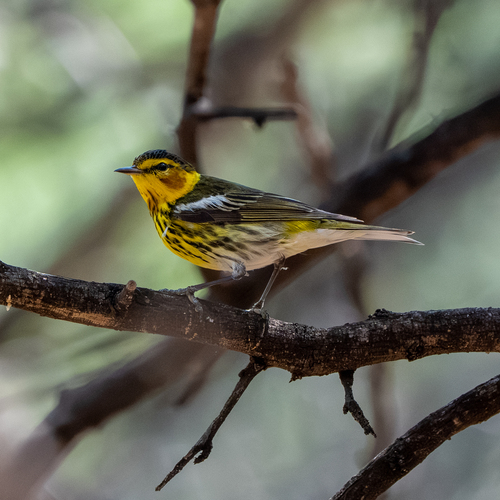 Cape May Warbler
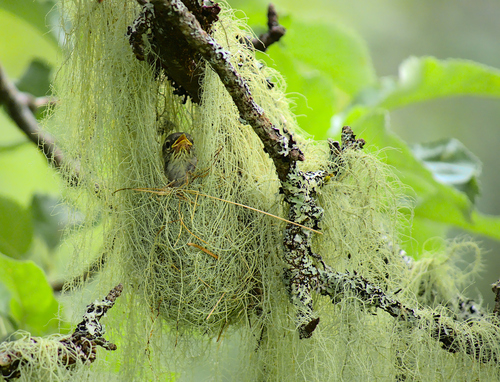 Northern Parula
In breve
Il segno di campo più affidabile per separare Cape May Warbler da Northern Parula è la presenza di una singola barra alare bianca stretta su Cape May (tutte le età), rispetto a due barre alari bianche audaci su Northern Parula. Nei maschi adulti, Cape May mostra anche una macchia guanciale castana e forti striature nere sotto, mentre i maschi di Northern Parula hanno un dorso blu-grigio con una macchia verdognola e una fascia petto blu e ruggine unica. Le femmine e gli immaturi di entrambe le specie sono più opachi, ma il conteggio delle barre alari e il colore del coda (giallastro su Cape May, verdognolo su Parula) rimangono utili. Entrambi sono piccoli warbler, ma Cape May è mediamente leggermente più grande e con ali più lunghe. Fai attenzione a questi segni, specialmente in stormi misti o durante la migrazione, quando entrambe le specie possono apparire insieme.
Consigli di identificazione
- Barre alari: Cape May Warbler mostra sempre una singola barra alare bianca stretta (tutte le età), mentre Northern Parula ha due barre alari bianche audaci. Questo è il controllo di campo più veloce, specialmente in volo o su uccelli in posa con le ali ripiegate.
- Colore del coda: Cape May ha un coda giallastro, spesso visibile in volo o quando cerca cibo; il coda di Northern Parula è verdognolo e si fonde con il dorso.
- Striature sotto: Cape May (soprattutto i maschi adulti) ha forti striature nere su parti inferiori gialle; Northern Parula non ha striature, mostrando un petto giallo pulito che sfuma in un ventre bianco.
- Schema del viso (maschi adulti): I maschi di Cape May hanno una macchia guanciale castana incorniciata di giallo con una striscia nera sugli occhi; i maschi di Northern Parula hanno mezze lune bianche sugli occhi e nessuna macchia guanciale castana.
- Fascia petto (solo Parula): Il maschio adulto di Northern Parula mostra una fascia petto blu e ruggine attraverso il petto giallo, unica tra i warbler. Questa fascia svanisce o scompare nelle femmine e negli uccelli non in riproduzione.
- Colore del dorso: Cape May ha un dorso marrone; Parula è blu-grigio con una macchia verdognola al centro del dorso.
- Dimensioni e struttura: Cape May è leggermente più grande e con ali più lunghe, ma questo è sottile. Parula può sembrare più compatto e con coda corta.
- Becco: Il becco di Cape May è leggermente più lungo e più fine; quello di Parula è più corto e tozzo, ma questo è difficile da giudicare a meno che non siano affiancati.
- Contesto dell'habitat: Durante la stagione di riproduzione, Cape May si trova in foreste conifere settentrionali; Parula si trova in boschi umidi ricchi di licheni/muschio, spesso vicino all'acqua. Durante la migrazione, entrambe possono sovrapporsi in boschi misti.
- Comportamento: Cape May spesso si nutre alle punte delle conifere o si lancia per insetti; Parula è più probabile che venga vista strisciare in ciuffi di muschio o licheni.
- Trappole di sesso/età: Le femmine e gli immaturi di Cape May sono più opachi ma mostrano ancora la singola barra alare e il coda giallastro; le femmine/gli immaturi di Parula sono più opachi, possono mancare della fascia petto, ma hanno sempre due barre alari e una macchia di dorso verdognola.
- Visioni in volo: In stormi misti o durante la migrazione, concentrati sul conteggio delle barre alari e sul colore del coda per una rapida separazione.
- Voce: Se sentito, Cape May emette note alte 'tsi' e un richiamo sottile 'sip'; il canto di Parula non è descritto qui, quindi non fare affidamento sulla voce a meno che non sia sicuro.
- Cambiamento stagionale: Entrambe le specie diventano più opache dopo la riproduzione, ma i segni strutturali (barre alari, colore del coda) rimangono affidabili.
- Trappole comuni: Non fare affidamento sulla luminosità generale o sulla 'giallatezza', poiché entrambe possono apparire piuttosto giallastre in alcune luci. Controlla sempre prima le barre alari e il colore del coda, poi cerca i dettagli del viso e delle parti inferiori se necessario.
Taglia
Cape May Warbler è leggermente più grande e più pesante di Northern Parula. Cape May pesa in media circa 10,7 g in massa corporea, con una lunghezza di 12–14 cm e un'apertura alare di 19–22 cm. Northern Parula è più leggera (5–11 g), più corta (10,8–12,4 cm) e ha un'apertura alare più piccola (16–18 cm). Sul campo, questa differenza è sottile, ma Cape May può sembrare un po' più lunga e robusta, specialmente in confronto diretto.
Piumaggio
I giovani e gli immaturi di Cape May Warbler mostrano sempre una singola barra alare bianca stretta e un coda giallastro, anche quando la colorazione generale è opaca. Gli immaturi e le femmine di Northern Parula hanno due barre alari bianche distinte e una macchia di dorso verdognola, con un petto giallastro e un ventre bianco ma privi delle parti inferiori striate di Cape May. I maschi adulti di Cape May sono sorprendenti con una guancia castana, una corona nera e forti striature nere su parti inferiori gialle, mentre i maschi adulti di Parula hanno un dorso blu-grigio, una macchia verdognola, due barre alari bianche e una fascia petto blu e ruggine (che svanisce o scompare nelle femmine e negli uccelli non in riproduzione). In volo, il conteggio delle barre alari è un controllo rapido per tutte le età. Il coda giallastro di Cape May è spesso visibile, mentre il coda di Parula si fonde con il dorso verdognolo.
Comportamento
Entrambe le specie sono cercatori attivi nella chioma degli alberi, ma Cape May Warbler si nutre spesso alle punte dei rami delle conifere e può lanciarsi per insetti o cercare nettare e succo di bacche in inverno. Northern Parula cerca cibo in boschi umidi, frequentemente in ciuffi di licheni o muschio spagnolo, ed è spesso vista appesa o strisciando lungo i rami. Entrambi possono unirsi a stormi misti, ma Parula è più probabile che venga vista in habitat umidi e muschiosi, a volte vicino all'acqua.
Habitat
Cape May Warbler nidifica nel nord dell'America del Nord, preferendo i margini delle foreste conifere, in particolare gli abeti. Northern Parula nidifica nell'est dell'America del Nord, dal sud del Canada alla Florida, preferendo foreste umide con abbondante lichene (Barba del vecchio) o muschio spagnolo, spesso vicino all'acqua. Durante la migrazione, entrambe possono essere trovate insieme in una gamma più ampia di habitat boschivi, ma Cape May è più strettamente legata alle conifere, mentre Parula cerca boschi muschiosi e umidi.
Voce
Il canto di Cape May Warbler è una semplice ripetizione di note 'tsi' ad alta tonalità, con un richiamo sottile 'sip'. La voce di Northern Parula non è descritta nelle note fornite, quindi la vocalizzazione non è un separatore affidabile qui.
Cape May Warbler · Northern Parula · I miei uccelli difficili