

Brown Noddy vs Lesser Noddy
Anous stolidus contro Anous tenuirostris
Fai un quiz con Brown Noddy e Lesser Noddy
 Brown Noddy
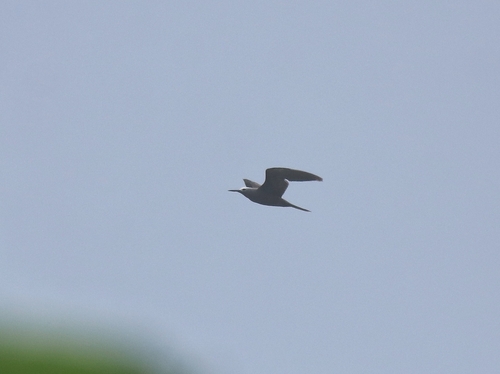 Lesser Noddy
In breve
Il segno di campo più affidabile tra Brown Noddy e Lesser Noddy è la dimensione: il Brown Noddy è decisamente più grande, con un'apertura alare più lunga e una corporatura più robusta. In un confronto diretto, il Brown Noddy mostra un corpo di un marrone cioccolato più ricco, mentre il Lesser Noddy appare più piccolo e di un nero sporco, con una fronte e una corona più chiare. Entrambi hanno corone chiare e code simili a forma di cuneo, ma la corona del Brown Noddy è più chiara e le sue lore sono più scure, mentre le lore del Lesser Noddy sono chiare. Queste differenze sono sottili a distanza, quindi concentrati sulla dimensione e sul tono di colore generale quando osservi con i binocoli.
Consigli di identificazione
- Size is the best field mark: Il Brown Noddy è molto più grande e robusto del Lesser Noddy. Usa questo soprattutto quando gli uccelli sono insieme o con altre sterne per scala.
- Wingspan and structure: Le ali del Brown Noddy sono più lunghe e più larghe rispetto alla dimensione del corpo; il Lesser Noddy appare più compatto e delicato in volo.
- Overall color tone: Il Brown Noddy è di un marrone cioccolato profondo, mentre il Lesser Noddy è più di un nero sporco. In scarsa illuminazione, questo può essere sottile, ma in buona luce, il Brown Noddy appare di un marrone più ricco e caldo.
- Crown and forehead: Entrambi hanno corone chiare, ma quella del Brown Noddy è più chiara (quasi bianca o grigia chiara) e più nettamente definita, mentre quella del Lesser Noddy è più chiara rispetto al resto della testa ma meno contrastante.
- Lores (area tra occhio e becco): Il Brown Noddy ha lore scure, dando un aspetto coperto; il Lesser Noddy ha lore chiare, facendo estendere il chiaro della corona verso il becco.
- Eye-ring: Il Brown Noddy mostra un anello oculare bianco stretto e incompleto, che è meno evidente o assente nel Lesser Noddy.
- Tail shape: Entrambi hanno code lunghe a forma di cuneo, quindi questo non è un forte separatore.
- Leg and foot color: Entrambe le specie hanno zampe e piedi scuri; non utile per la separazione.
- Juvenile/immature plumage: Non sono descritte differenze specifiche di pattern delle ali o delle ali superiori a seconda dell'età; usa gli stessi segni degli adulti per tutte le età.
- Flight jizz: Il Brown Noddy appare più stabile e pesante in volo a causa della sua dimensione, mentre il Lesser Noddy è più leggero e più agile.
- Habitat context: Se osservato al di fuori della regione dell'Oceano Indiano, il Brown Noddy è il default. Nell'Oceano Indiano, controlla per colonie miste e usa la dimensione e il pattern della testa.
- Plumage pitfalls: L'illuminazione può far apparire il Brown Noddy di un colore nero o il Lesser Noddy di un marrone più scuro; confronta sempre con uccelli noti se possibile.
- No vocal distinction: Non sono descritte differenze vocali diagnostiche nelle fonti.
- Sexes similar: Entrambe le specie mostrano poco o nessun dimorfismo sessuale nel piumaggio o nella dimensione.
- Seasonal variation: Non sono notate forti differenze di piumaggio stagionali; i segni sono affidabili tutto l'anno.
Taglia
Il Brown Noddy è il noddy più grande: 38–45 cm di lunghezza e un'apertura alare di 75–86 cm. Il Lesser Noddy è notevolmente più piccolo, con una lunghezza di 30–34 cm e un'apertura alare di 58–63 cm e un peso di 97–120 g. In stormi misti o fianco a fianco, il Brown Noddy appare più robusto e con ali più lunghe. Se è presente solo un uccello, usa la massa apparente e la lunghezza dell'ala rispetto alla dimensione della testa come indizi.
Piumaggio
- Adults (all seasons): Il Brown Noddy ha un corpo di un marrone cioccolato scuro con una corona e una fronte grigie chiare o bianche, e un anello oculare bianco stretto e incompleto. Il Lesser Noddy è complessivamente di un nero bruno, con una fronte e una corona più chiare, ma è leggermente più chiaro del Black Noddy e ha lore chiare (l'area tra occhio e becco). La corona del Brown Noddy è tipicamente più chiara e più nettamente demarcata dal resto della testa, mentre l'area chiara del Lesser Noddy è meno contrastante ma si estende fino alle lore. Entrambe le specie hanno lunghe code a forma di cuneo e zampe/piedi scuri.
- Immature/juvenile plumage: Non sono descritte differenze specifiche di pattern delle ali o delle ali superiori a seconda dell'età nelle fonti per queste due specie, quindi la separazione si basa sugli stessi segni degli adulti: dimensione, tono generale e pattern della testa.
Comportamento
Entrambe le specie sono uccelli marini coloniali, spesso visti volare sopra mari tropicali o appollaiati su scogliere, alberi o arbusti. Il Brown Noddy tende a nidificare in luoghi leggermente più alti o elevati e può apparire più robusto e meno agile in volo a causa della sua dimensione. Il Lesser Noddy, essendo più piccolo, può apparire più galleggiante o delicato in volo. Entrambe le specie possono essere viste in colonie miste, ma il Brown Noddy è più probabile che domini in dimensione e presenza.
Habitat
Il Brown Noddy ha un'area globale molto più ampia, trovato attraverso gli oceani tropicali in tutto il mondo, mentre il Lesser Noddy è più ristretto all'Oceano Indiano e alle coste adiacenti (ad es., Seychelles, Maldive, Africa orientale, India). Se ti trovi al di fuori della regione dell'Oceano Indiano, il Brown Noddy è di gran lunga più probabile. Entrambe le specie nidificano colonialmente, spesso su isole, scogliere o vegetazione bassa, ma il Brown Noddy è più probabile che utilizzi siti elevati.