

Brown-headed Thrush vs Pale Thrush
Turdus chrysolaus contro Turdus pallidus
Fai un quiz con Brown-headed Thrush e Pale Thrush
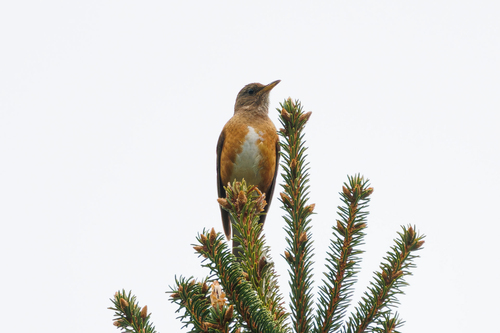 Brown-headed Thrush
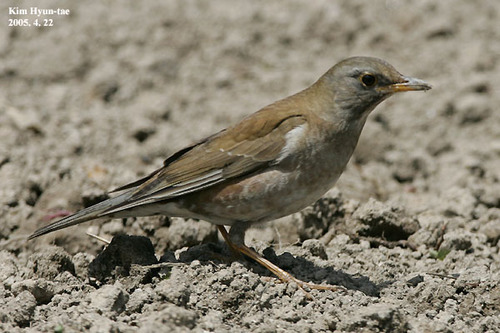 Pale Thrush
In breve
Il segno di campo più affidabile tra Brown-headed Thrush e Pale Thrush è la colorazione della testa e della gola: Brown-headed Thrush mostra una testa costantemente marrone, mentre i maschi di Pale Thrush hanno una testa e una gola blu-grigia, con le femmine che mostrano una versione più opaca e marrone. In volo o posato, Pale Thrush è più chiaro sotto e mostra una coda più contrastante con punte bianche sulle piume esterne. Entrambe le specie sono simili in dimensioni e struttura, ma un'attenta attenzione al colore della testa, al tono delle parti inferiori e al modello della coda separerà la maggior parte degli individui, specialmente gli adulti. I modelli delle ali specifici per gli immaturi non sono descritti nelle fonti disponibili, quindi concentrati su questi segni degli adulti.
Consigli di identificazione
- Colore della testa e della gola (adulti): Brown-headed Thrush mostra sempre una testa marrone, mentre il maschio di Pale Thrush ha una testa e una gola blu-grigia. La femmina di Pale Thrush è più opaca, con una testa più marrone e una gola chiara, ma manca ancora del ricco marrone di Brown-headed. Questo è il segno più affidabile in buona luce.
- Parti inferiori: Pale Thrush è notevolmente più chiaro sotto, con parti inferiori marrone chiaro, un ventre biancastro e copritrici della coda, e fianchi più scuri. Brown-headed Thrush è più uniforme sotto, mancando del forte contrasto di Pale Thrush.
- Modello della coda in volo: Cerca punte bianche sulle piume esterne della coda di Pale Thrush, specialmente quando l'uccello sta volando via o muovendo la coda. Brown-headed Thrush non mostra questa caratteristica.
- Colore delle ali e delle piume da volo: Pale Thrush ha piume da volo grigie scure e copritrici delle ali grigie o bianche. Queste possono essere visibili in volo o quando si puliscono. Brown-headed Thrush non mostra questo forte contrasto.
- Colore del becco: Pale Thrush ha un becco bicolore: grigio sopra e giallo sotto. Il colore del becco non è descritto per Brown-headed Thrush, quindi questo è utile solo se vedi il modello diagnostico su Pale Thrush.
- Colore dei piedi: Pale Thrush ha piedi marrone chiaro-rosati. Questo è sottile e utile solo a distanza ravvicinata, ma può aiutare se visto bene.
- Differenze sessuali: Il maschio di Pale Thrush è più distintamente blu-grigio sulla testa e sulla gola, mentre la femmina è più opaca e marrone. Brown-headed Thrush non mostra questo dimorfismo sessuale nelle note disponibili.
- Segni specifici per l'età: Non sono descritti segni distintivi per le ali superiori o i segni di volo per nessuna delle due specie, quindi concentrati sul piumaggio adulto.
- Dimensioni e struttura: Entrambi sono tordi di dimensioni medie, con solo una leggera differenza nella massa media (Pale Thrush leggermente più pesante). La struttura non è un punto di separazione affidabile.
- Habitat e contesto: Entrambe le specie si trovano in habitat boschivi simili all'interno delle loro aree sovrapposte, quindi non fare affidamento sull'habitat per la separazione.
- Comportamento: Entrambe le specie si comportano come tordi tipici, cercando cibo a terra e posandosi sugli alberi; non sono notate differenze comportamentali diagnostiche.
- Contesto stagionale: Se ti trovi nell'area di riproduzione di Brown-headed Thrush (Sakhalin, Isole Curili, Giappone) durante la stagione di riproduzione, questo può supportare Brown-headed, ma Pale Thrush può anche verificarsi nella regione. Usa prima il piumaggio.
- Insidie: La femmina di Pale Thrush può apparire più marrone e può essere confusa con Brown-headed, ma le parti inferiori più chiare e il modello della coda dovrebbero comunque separarli. Controlla sempre le punte bianche della coda e il contrasto delle parti inferiori.
- Illuminazione: Il colore della testa e della gola può apparire diverso in scarsa illuminazione; prova a vedere l'uccello da più angolazioni e in buona luce per i migliori risultati.
- Segni multipli: Usa sempre una combinazione di colore della testa, contrasto delle parti inferiori e modello della coda per l'identificazione più sicura, specialmente se l'uccello non è un ovvio maschio adulto di Pale Thrush.
Taglia
Entrambe le specie sono molto simili in dimensioni, con Pale Thrush che pesa mediamente leggermente di più (70g contro 65g per Brown-headed Thrush) [wikidata]. Sul campo, questa differenza è trascurabile, e entrambe appaiono come tordi di dimensioni medie con proporzioni simili. La lunghezza è specificata solo per Pale Thrush (23 cm), ma questo è tipico per i tordi del genere Turdus e non è un punto di separazione utile.
Piumaggio
Per gli adulti, il colore della testa e della gola è il più utile: Brown-headed Thrush ha una testa marrone, mentre il maschio di Pale Thrush mostra una testa e una gola blu-grigia, e le femmine sono più opache ma ancora più chiare e marroni di Brown-headed. Le parti inferiori di Pale Thrush sono marrone chiaro, con un ventre biancastro e copritrici della coda, e fianchi più scuri. Brown-headed Thrush è generalmente più uniformemente colorato sotto. In volo, Pale Thrush mostra piume da volo grigie scure e una coda con punte bianche sulle piume esterne, che possono essere un buon segno se visto bene. La femmina di Pale Thrush è più opaca del maschio, con una testa più marrone e una gola chiara, ma contrasta ancora con il marrone più ricco di Brown-headed. Non sono descritti modelli specifici per l'età giovanile o immatura per nessuna delle due specie nelle fonti disponibili.
Comportamento
Le differenze comportamentali non sono descritte nelle note disponibili. Entrambe le specie sono tordi tipici del genere Turdus, probabilmente visti cercare cibo a terra o in vegetazione bassa, e entrambe possono volare sugli alberi quando disturbate.
Habitat
Entrambe le specie occupano habitat simili all'interno delle loro aree sovrapposte. Brown-headed Thrush nidifica nelle foreste temperate di Sakhalin, nelle Isole Curili e in Giappone, svernando più a sud nelle Isole Ryukyu, Taiwan, Hainan e nelle Filippine settentrionali [wikipedia]. Pale Thrush si trova anche nell'Eurasia orientale, ma le preferenze specifiche per l'habitat non sono dettagliate nelle note. In pratica, entrambe possono essere incontrate in aree boschive, rendendo l'habitat da solo inaffidabile per la separazione.
Brown-headed Thrush · Pale Thrush · I miei uccelli difficili