
Canapino asiatico vs Sykes's Warbler
Iduna caligata contro Iduna rama
Fai un quiz con Canapino asiatico e Sykes's Warbler
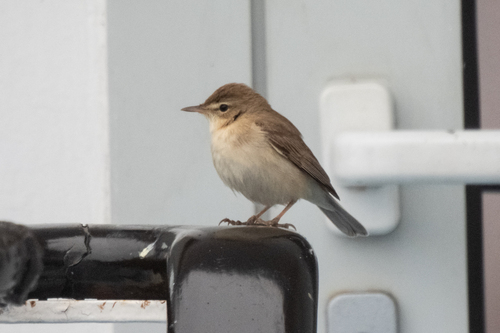 Canapino asiatico
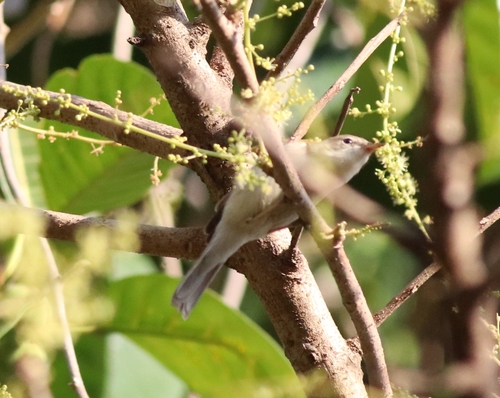 Sykes's Warbler
In breve
Il segno di campo più affidabile tra il Canapino asiatico e il Sykes's Warbler è la struttura generale e il sottile tono del piumaggio: il Sykes's è decisamente più grande, con ali più lunghe e un colore più grigio, mentre il Canapino è più piccolo, con un corpo rotondo e un colore più marrone. Entrambe le specie sono difficili da separare, specialmente in autunno o tra gli immaturi, ma il Sykes's mostra un becco più forte e appuntito e una coda leggermente più lunga e quadrata. Il Canapino asiatico appare più compatto con un becco più corto e smussato e un aspetto marrone chiaro e uniforme. Concentrati sulla struttura e sul tono di colore generale, ma sii onesto: molti uccelli saranno ambigui senza osservazioni ravvicinate e prolungate.
Consigli di identificazione
- Size and Structure: Il Sykes's Warbler è più grande e ha ali più lunghe rispetto al Canapino; cerca una forma più allungata e meno compatta, specialmente quando è posato o in volo. Questo è più affidabile in confronto diretto o con esperienza.
- Bill Shape: Il Sykes's ha un becco visibilmente più forte e appuntito, mentre il becco del Canapino è più corto e ha una punta scura. Usa questo segno quando il becco è chiaramente visibile.
- Tail Shape: La coda del Canapino asiatico è quadrata e appare più corta, mentre la coda del Sykes's è più lunga e può mostrare bordi chiari sulle piume esterne, specialmente nel piumaggio fresco o in buona luce.
- Supercilium: Entrambi hanno un supercilium chiaro, ma quello del Canapino è più chiaro e prominente, mentre quello del Sykes's è più corto e meno distintivo. Questo è sottile e può variare con la luce e l'usura delle piume.
- Plumage Tone: Il Canapino è di un grigio-marrone uniforme sopra e più chiaro sotto, con un tono generalmente più marrone. Il Sykes's è più chiaro, grigio e ha fianchi color crema, dando un'impressione complessiva più fredda. Questo è più utile in buona luce e su uccelli freschi.
- Jizz: Il Canapino spesso appare con un corpo rotondo, ali corte e compatto, mentre il Sykes's è più eretto, allungato e con ali più lunghe. Fai attenzione a questo sia su uccelli posati che attivi.
- Tail Edges: Il Sykes's può mostrare bordi chiari sulle piume esterne della coda, specialmente nel piumaggio fresco o quando è aperta. Il Canapino non ha questa caratteristica.
- Flight: Non è descritto alcun modello distintivo di volo o di ali per entrambe le specie a qualsiasi età, quindi non fare affidamento su pannelli alari o bordi contrastanti.
- Habitat/Range: Se sei in Europa occidentale, il Canapino è il più probabile vagrante; il Sykes's è molto più raro. In Asia centrale, entrambe le specie possono verificarsi, quindi non usare solo l'areale.
- Confusion Risk: Entrambe le specie sono notoriamente difficili da separare, specialmente in autunno o tra gli immaturi. Aspettati che alcuni uccelli rimangano non identificati senza osservazioni ravvicinate e prolungate.
- Voice: Non sono descritte differenze vocali distintive nelle note fornite: non fare affidamento su richiami o canti per la separazione qui.
- Comparison to Other Warblers: Il Sykes's è più simile al Canapino pallido orientale nel tono e nella struttura complessivi; il Canapino è più compatto e marrone. Usa questo come un controllo incrociato se sei familiare con quelle specie.
- Bill Color: Il becco del Canapino ha una punta scura, che può essere visibile a distanza ravvicinata; il becco del Sykes's è uniformemente chiaro e forte.
- Flank Color: Il Sykes's mostra fianchi color crema, che possono essere un segno sottile ma utile in buona luce; i fianchi del Canapino sono più chiari e meno contrastanti.
- Supercilium Shape: Il supercilium del Canapino è più lungo e più definito, mentre quello del Sykes's è più corto e svanisce dietro l'occhio. Usa questo in combinazione con altri segni, non da solo.
Taglia
Il Sykes's Warbler è visibilmente più grande del Canapino asiatico, con un corpo e ali più lunghi. Il Canapino asiatico è simile in dimensioni a un Phylloscopus collybita, apparendo con ali corte e compatto. Il Sykes's, pur essendo ancora un piccolo warbler, si distingue tra i warbler Iduna per la sua dimensione relativamente maggiore e le proporzioni più lunghe. Entrambi sono piccoli, ma il Sykes's è il più robusto dei due.
Piumaggio
- Juvenile/First-year/Immature: Non sono descritti segni distintivi sulle ali superiori o sul volo per entrambe le specie a qualsiasi età. Entrambi mostrano parti superiori di un grigio-marrone uniforme e parti inferiori più chiare, ma il Sykes's è più chiaro e grigio, mentre il Canapino è complessivamente più marrone. Il Sykes's ha fianchi color crema e bordi chiari sulle piume esterne della coda, che possono essere visibili in buona luce o in volo. Entrambi mostrano un supercilium chiaro, ma quello del Sykes's è più corto e meno distintivo. Il supercilium del Canapino è più chiaro e prominente.
- Adult: Il Canapino asiatico rimane uniforme, con un becco corto e con punta scura e una coda quadrata. L'adulto del Sykes's è più grigio, con un becco forte e appuntito e una coda più lunga con bordi chiari. Entrambi possono apparire poco distintivi, ma il Sykes's ricorda di più un Canapino pallido orientale nel tono e nella struttura.
Comportamento
Entrambe le specie si comportano in modo simile, muovendosi attraverso la vegetazione bassa e i cespugli. Il Canapino asiatico può apparire più rotondo e compatto nei suoi movimenti, mentre il Sykes's spesso appare più lungo e più eretto. Il jizz in volo è sottile: il Canapino è corto e veloce, il Sykes's è leggermente più languido e allungato. Nessuna delle due specie è particolarmente audace o distintiva nel comportamento, quindi la struttura e il jizz sono meglio giudicati in confronto diretto.
Habitat
Entrambe le specie nidificano in habitat aperti e cespugliosi, ma con alcune differenze di areale: il Canapino asiatico nidifica in Europa orientale e Asia occidentale, mentre il Sykes's si trova dal nord-est dell'Arabia all'Asia centrale. In Europa occidentale, il Canapino è un vagrante regolare, mentre il Sykes's è più raro. Entrambi svernano in Asia meridionale. L'habitat da solo è raramente diagnostico, ma il Canapino può essere più atteso come vagrante in Europa.
Canapino asiatico · Sykes's Warbler · I miei uccelli difficili