

Beccofrusone vs Cedar Waxwing
Bombycilla garrulus contro Bombycilla cedrorum
Fai un quiz con Beccofrusone e Cedar Waxwing
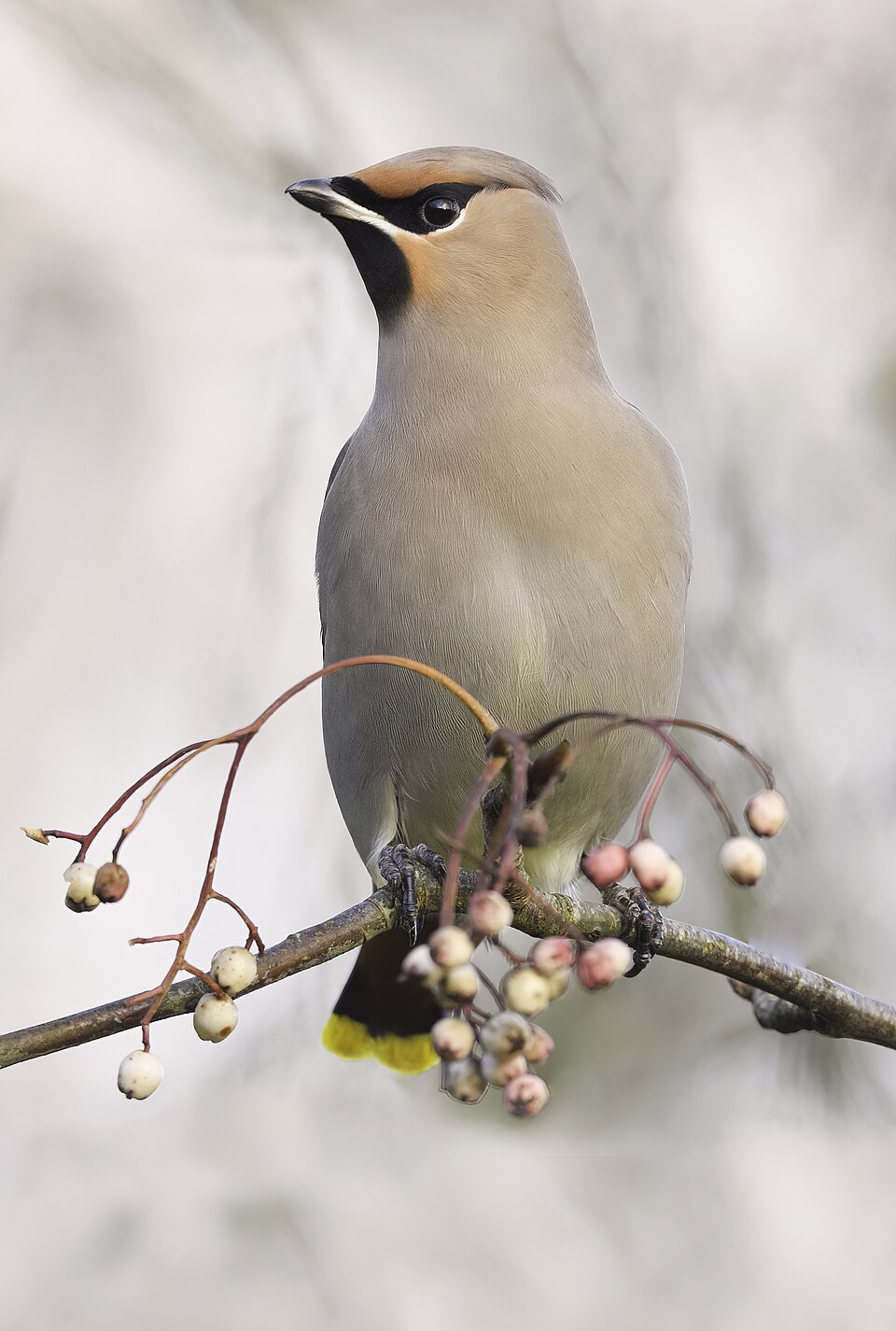 Beccofrusone
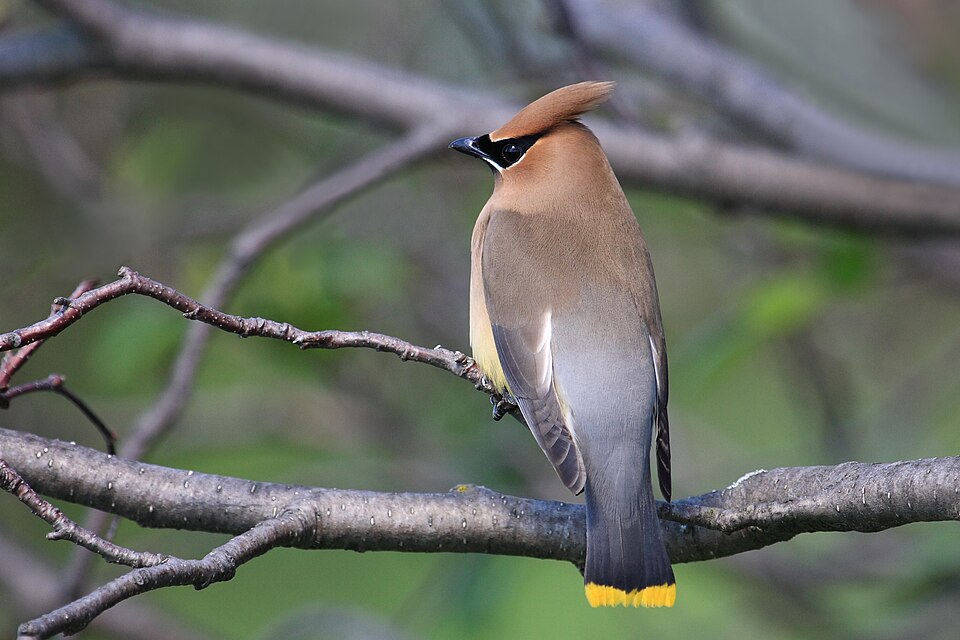 Cedar Waxwing
In breve
Il segno di campo più affidabile tra Beccofrusone e Cedar Waxwing è il motivo delle ali: i Beccofrusoni (tutte le età) mostrano marcature bianche e gialle audaci sulle ali, inclusi segni bianchi a 'tick' e una striscia gialla sulle primarie, che sono assenti nei Cedar Waxwing. I Beccofrusoni giovani e di primo inverno mancano di alcune caratteristiche adulte ma si differenziano comunque dai Cedar per il loro motivo delle ali e la colorazione generale. I Beccofrusoni sono visibilmente più grandi e grigi con un sottocoda castano più ricco, mentre i Cedar sono più piccoli, marroni e hanno un ventre giallo pallido e un sottocoda bianco. Entrambe le specie possono mostrare punte cerose rosse sulle secondarie, ma l'estensione e la prominenza variano con l'età e la specie. In volo o posati, concentrati sul motivo delle ali e della coda, sulla dimensione complessiva e sul colore del sottocoda per la separazione più rapida.
Consigli di identificazione
- Wing pattern (all ages): Beccofrusone mostra audaci segni bianchi a 'tick' sul bordo posteriore e una striscia gialla sul bordo anteriore delle primarie (adulti); anche i giovani di primo inverno hanno bordi anteriore giallo pallido o bianco, ma mai le ali semplici del Cedar. Cedar Waxwing manca sia dei segni bianchi che gialli sulle ali a tutte le età.
- Tail tip color: Beccofrusone ha una punta di coda gialla brillante e larga (6–11 mm nei maschi, 4–8 mm nelle femmine); Cedar ha una punta di coda gialla (o arancione) più sottile, a volte arancione se la dieta include il caprifoglio. La punta di coda del Beccofrusone è sempre gialla, mai arancione.
- Undertail color: Beccofrusone ha un ventre e un sottocoda castano ricco; Cedar ha un ventre giallo pallido e un sottocoda bianco, che è spesso visibile in volo o quando è posato.
- Overall coloration: Beccofrusone è più grigio e di un grigio più buff in generale, con un lavaggio castano più ricco sulle parti inferiori e attorno alla maschera; Cedar è più marrone sopra e più chiaro sotto, con un aspetto più uniforme, setoso marrone-grigio-giallo.
- Size and structure: Beccofrusone è visibilmente più grande e massiccio, con una coda proporzionalmente più lunga e una struttura più pesante. I Cedar sono più piccoli, più snelli e più delicati. In stormi misti, il Beccofrusone si distingue solo per la dimensione.
- Crest and mask: Entrambi hanno una cresta, ma quella del Beccofrusone è più appuntita; la cresta del Cedar spesso giace piatta e pende. La maschera nera sul Cedar è bordata da una sottile linea bianca sopra e sotto, mentre la maschera del Beccofrusone è più audace, con una striscia bianca dietro il becco e una curva bianca sotto l'occhio.
- Red waxy tips: Entrambe le specie possono mostrare punte cerose rosse sulle secondarie, ma gli adulti Beccofrusone ne hanno di più (6–8 nei maschi, 5–7 nelle femmine) e sono più lunghe e più evidenti. I Cedar di solito hanno meno e più piccole punte rosse, e i giovani possono mancarle completamente.
- Juvenile/immature plumage: I giovani Beccofrusoni sono più striati sotto, mancano della gola e della maschera nera, e hanno un piumaggio più opaco; i Beccofrusoni di primo inverno mostrano ancora bordi delle ali pallidi e mancano dei segni delle ali adulti. I giovani Cedar sono striati sulla gola e sui fianchi, spesso mancano di una maschera nera completa, e non mostrano mai il motivo delle ali del Beccofrusone.
- Flight jizz: Entrambe le specie hanno un volo forte e diretto e possono assomigliare a storni, ma il Beccofrusone appare più massiccio e robusto in volo. Gli stormi di Cedar sono più leggeri e più agili.
- Habitat context: Nei boschi boreali o settentrionali, specialmente in inverno, il Beccofrusone è più probabile; in ambienti meridionali o suburbani, ci si aspetta il Cedar. Si verifica un sovrapposizione in inverno, specialmente durante le irruzioni del Beccofrusone.
- Perched posture: Beccofrusone spesso si siede più eretto e appare più pesante; Cedar è più snello e più orizzontale quando è posato.
- Bill shape: Il becco del Cedar è corto e largo; quello del Beccofrusone è simile ma appare leggermente più pesante in proporzione alla dimensione della testa.
- Sex differences: I maschi Beccofrusone hanno punte di coda gialle più larghe e più punte cerose rosse rispetto alle femmine; i sessi del Cedar sono quasi identici sul campo.
- Seasonal context: Alla fine dell'estate e in autunno, gli uccelli giovani/di primo inverno possono essere confusi; concentrati sul motivo delle ali e sul colore del sottocoda per la migliore separazione.
- Common pitfalls: Non fare affidamento solo sulla presenza di una cresta o punte cerose rosse—entrambe le specie possono mostrarle. Controlla sempre i segni bianchi e gialli sulle ali (solo Beccofrusone), il colore del sottocoda e la dimensione complessiva per l'ID più affidabile.
Taglia
Beccofrusone è distintamente più grande: 19–23 cm di lunghezza con un'apertura alare di 32–35,5 cm e circa 55 g di peso [wikipedia][avonet]. Cedar Waxwing è più piccolo, lungo 15–18 cm, con un'apertura alare di 22–30 cm e circa 30 g [wikipedia][avonet]. Sul campo, i Beccofrusoni appaiono più massicci e robusti, mentre i Cedar sono visibilmente più snelli e più delicati. La coda è anche proporzionalmente più lunga nel Beccofrusone. La dimensione da sola non è sempre diagnostica a distanza, ma in stormi misti o fianco a fianco, la differenza è ovvia.
Piumaggio
Uccelli giovani/di primo inverno: i Beccofrusoni in piumaggio di primo inverno hanno un bordo anteriore bianco o giallo pallido sulle primarie, nessun segno bianco a 'tick' sul bordo posteriore, e una punta di coda gialla più stretta; mostrano anche meno punte cerose rosse sulle secondarie (a volte nessuna nelle giovani femmine). I giovani sono più opachi, più striati sotto, con poca o nessuna gola o maschera nera. I giovani Cedar Waxwing sono striati sulla gola e sui fianchi, spesso mancano di una maschera nera completa, ma le loro ali mancano delle audaci marcature bianche e gialle del Beccofrusone a tutte le età.
Adulti: i Beccofrusoni hanno una punta di coda gialla larga (6–11 mm nei maschi, 4–8 mm nelle femmine), una gola nera ben definita, e 6–8 (maschi) o 5–7 (femmine) punte cerose rosse sulle secondarie. Le loro ali mostrano un bordo anteriore giallo brillante vicino alla punta e un segno bianco a 'tick' sul bordo posteriore delle primarie. I Cedar Waxwing sono complessivamente più marroni, con un ventre giallo pallido, un sottocoda bianco, e una punta di coda gialla sottile (a volte arancione). Le loro ali mancano dei segni bianchi e gialli, e le punte cerose rosse sono di solito meno e meno prominenti. Entrambi hanno una cresta e una maschera nera, ma la maschera del Cedar è bordata da una sottile linea bianca. Le parti inferiori del Beccofrusone sono di un castano più ricco, specialmente sul ventre inferiore.
Comportamento
Entrambe le specie sono altamente sociali, spesso viste in stormi, specialmente in inverno. In volo, entrambe hanno un volo forte e diretto e possono assomigliare a storni, ma gli stormi di Beccofrusone appaiono più massicci e robusti, mentre gli stormi di Cedar sono più agili e leggeri. Entrambe le specie si arrampicano attraverso alberi e cespugli fruttiferi, ma i Beccofrusoni sono più propensi a essere visti in ambienti settentrionali o boreali, a volte alimentandosi a terra, mentre i Cedar sono più arboricoli e meno propensi a muoversi a terra.
Habitat
Beccofrusone nidifica nelle foreste settentrionali del Paleartico e del Nord America, preferendo zone boreali e subartiche. Cedar Waxwing è più meridionale, diffuso in tutta l'America del Nord temperata, e preferisce boschi aperti, margini e alberi fruttiferi in aree suburbane e rurali. In inverno, i Beccofrusoni possono muoversi a sud e sovrapporsi ai Cedar, specialmente negli anni di irruzione, ma sono ancora più probabili in habitat settentrionali o boreali. L'habitat da solo non è sempre diagnostico in inverno, ma i Beccofrusoni sono rari al di fuori della loro gamma di irruzione.