

Nibbio bianco vs Gipeto
Elanus caeruleus contro Gypaetus barbatus
Fai un quiz con Nibbio bianco e Gipeto
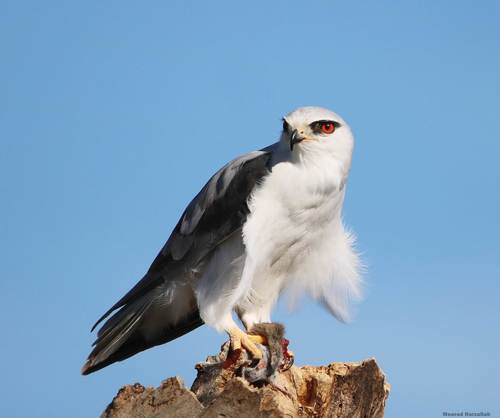 Nibbio bianco
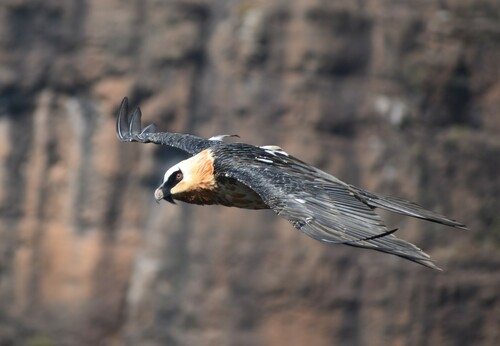 Gipeto
In breve
Il segno distintivo più affidabile per separare il Nibbio bianco dal Gipeto è la dimensione e la struttura: il gipeto è un enorme uccello con ali lunghe e coda a forma di cuneo, che sovrasta completamente il piccolo e compatto nibbio. In volo, i giovani Nibbio bianco mostrano parti superiori e petto di colore marrone-rossiccio, mentre i giovani Gipeti sono di un nero-marrone scuro nel complesso con un petto grigio-marrone. Anche gli adulti sono inconfondibili: il Nibbio bianco è chiaro con sorprendenti macchie nere sulle ali e occhi rossi, mentre il Gipeto è un uccello massiccio e dalla coda lunga con una testa chiara, una barba facciale nera e parti inferiori arrugginite o arancioni. Anche a distanza, la enorme dimensione del gipeto, la lunga coda a forma di cuneo e il volo lento e potente sono diagnostici.
Consigli di identificazione
- La dimensione è decisiva: il Gipeto è enorme, con un'apertura alare fino a 2,8 metri; il Nibbio bianco è piccolo, appena più grande di un gheppio. Se riesci a giudicare la dimensione rispetto al paesaggio o ad altri uccelli, questo è il primo controllo.
- Forma della coda: il Gipeto ha una lunga coda a forma di cuneo, più lunga della larghezza della sua ala; il Nibbio bianco ha una coda molto più corta e squadrata. In volo, la coda del gipeto è un segno distintivo chiave.
- Stile di volo: il Nibbio bianco spesso si libra, con battiti d'ali rapidi e volo galleggiante; il Gipeto plana con battiti d'ali lenti e profondi e raramente si libra. Se vedi un uccello in volo stazionario, è quasi certamente il nibbio.
- Piumaggio giovanile: i giovani Nibbio bianco mostrano parti superiori e petto di colore marrone-rossiccio; i giovani Gipeti sono di un nero-marrone scuro in tutto, senza toni chiari o rugginosi. Questo è fondamentale per separare gli immaturi.
- Piumaggio adulto: gli adulti del Nibbio bianco sono grigio chiaro e bianco con audaci macchie nere sulle ali e occhi rossi. Gli adulti del Gipeto sono più scuri, con una testa chiara, una barba facciale nera e parti inferiori arrugginite o arancioni.
- Schema facciale: il Gipeto ha una maschera e una barba nere; il Nibbio bianco ha un volto semplice, simile a un gufo, con occhi rossi e senza barba.
- Forma delle ali: le ali del Gipeto sono molto lunghe e strette, dando un profilo simile a un falco in scala gigante; le ali del Nibbio bianco sono lunghe ma non quasi così strette o appuntite.
- Postura in perching: il Nibbio bianco si posiziona eretto su fili o rami, spesso in campagna aperta; il Gipeto è raramente visto posato se non su scogliere o affioramenti rocciosi, e appare curvo con una lunga coda che penzola.
- Habitat: campi aperti di pianura, praterie o terreni agricoli indicano il Nibbio bianco; alte montagne, scogliere o altipiani rocciosi indicano il Gipeto.
- Becco e piedi: il Gipeto ha un becco massiccio e ricurvo e grandi piedi potenti; il becco del Nibbio bianco è piccolo e delicato, adatto a prede piccole.
- Comportamento presso le carcasse: il Gipeto è un avvoltoio, spesso visto vicino a carcasse o ossa; il Nibbio bianco caccia prede vive e non è mai presso carcasse.
- Colorazione: gli adulti del Gipeto possono mostrare una colorazione arancione o arrugginita sulla testa e sulle parti inferiori a causa del bagno di fango; il Nibbio bianco è sempre pulito, bianco e grigio.
- Colore degli occhi: il Nibbio bianco ha occhi rossi sorprendenti; l'occhio del Gipeto è meno evidente a distanza.
- Vocalizzazioni: non utili per la separazione; entrambi sono per lo più silenziosi sul campo.
- Stagione e età: il Gipeto impiega 5–7 anni per raggiungere il piumaggio adulto; se vedi un rapace molto grande e scuro in montagna, è probabile che sia un giovane gipeto, non un nibbio.
Taglia
Non c'è sovrapposizione di dimensioni: il Gipeto è uno dei rapaci più grandi del mondo, con una massa corporea di circa 5,5 kg e un'apertura alare fino a quasi 3 metri, mentre il Nibbio bianco è un rapace piccolo, meno di un decimo del peso del gipeto. Anche a lunga distanza, l'immensa dimensione del gipeto, le lunghe ali e la coda allungata sono evidenti. Il nibbio è compatto, con ali lunghe ma una coda molto più corta e squadrata e una piccola testa simile a un gufo. Se vedi entrambi nella stessa area, il gipeto è davvero gigantesco, spesso descritto come 'delle dimensioni di un'aquila o più grande', mentre il nibbio è più vicino a un gheppio o a un piccolo falco in termini di volume.
Piumaggio
- Giovanile/immaturo Nibbio bianco: mostra piume marrone-rossicce sulle parti superiori e sul petto, fornendo un lavaggio caldo e arrugginito non visto nei giovani Gipeti. Il resto del piumaggio è grigio chiaro e bianco, con nero sulle ali.
- Giovanile Gipeto: completamente scuro, nero-marrone sopra e sotto, con un petto più grigio-marrone. Nessun tono chiaro o rugginoso sulle parti superiori; impiega 5–7 anni per raggiungere il piumaggio adulto.
- Adulto Nibbio bianco: parti inferiori bianche pulite, parti superiori grigio chiaro, audaci macchie nere sulle ali e occhi rossi sorprendenti. Nessuna barba o segni facciali.
- Adulto Gipeto: grigio-bluastro a grigio-nero sopra, fronte crema, striscia nera sugli occhi e barba, e lavaggio arrugginito o arancione variabile su testa, petto e gambe (da bagni di fango cosmetici). Coda lunga e scura a forma di cuneo e ali scure. L'effetto complessivo è di un uccello molto più scuro e più decorato rispetto al nibbio, con una maschera facciale distintiva e barba.
- Volo: il Nibbio bianco è chiaro e compatto con macchie nere sulle ali; il Gipeto è scuro con una lunga coda a forma di cuneo e una testa chiara.
Comportamento
Il Nibbio bianco è meglio conosciuto per il suo volo stazionario sopra le praterie aperte, che ricorda i gheppi. Spesso si posa su rami o fili esposti, scrutando per la preda, ed è agile e galleggiante in aria. Il Gipeto, al contrario, plana su ali larghe e lunghe con battiti lenti e potenti, raramente si libra ed è spesso visto scivolare lungo i crinali montuosi o circolare in alto sopra la testa. Il suo volo ricorda di più quello di un falco gigante: ali lunghe e strette e una coda a forma di cuneo distintiva. A terra, il gipeto ha una camminata ondeggiante ed è raramente visto posato in basso. Il nibbio è molto più probabile essere visto attivamente a caccia o posato in campagna aperta.
Habitat
Il Nibbio bianco preferisce praterie aperte, pianure e talvolta pendii erbosi o aree agricole, spesso a basse altitudini. È raramente trovato in terreni montuosi. Il Gipeto è uno specialista delle alte montagne, scogliere e altipiani accidentati, spesso sopra la linea degli alberi, ed è fortemente associato a paesaggi rocciosi remoti dove sono disponibili carcasse di grandi mammiferi. Vedere un rapace in un ambiente montano alpino o roccioso favorisce fortemente il Gipeto; campi aperti di pianura o terreni agricoli favoriscono il Nibbio bianco.
Voce
Nessuna delle due specie è particolarmente vocale sul campo. Il Gipeto è generalmente silenzioso, ma può emettere fischi acuti in mostra o un richiamo simile a un falco 'cheek-acheek' vicino al nido. Anche il Nibbio bianco è silenzioso, senza richiami distintivi che potrebbero essere uditi a distanza. La voce non è un segno distintivo affidabile per la separazione.