

Black-bellied Storm-Petrel vs Uccello delle tempeste
Fregetta tropica contro Hydrobates pelagicus
Fai un quiz con Black-bellied Storm-Petrel e Uccello delle tempeste
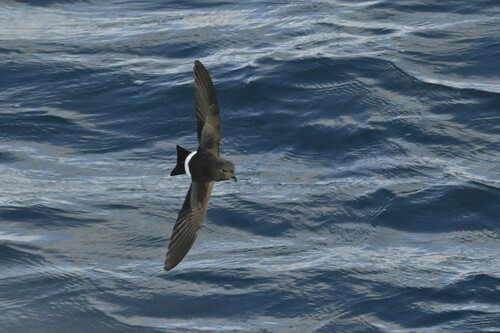 Black-bellied Storm-Petrel
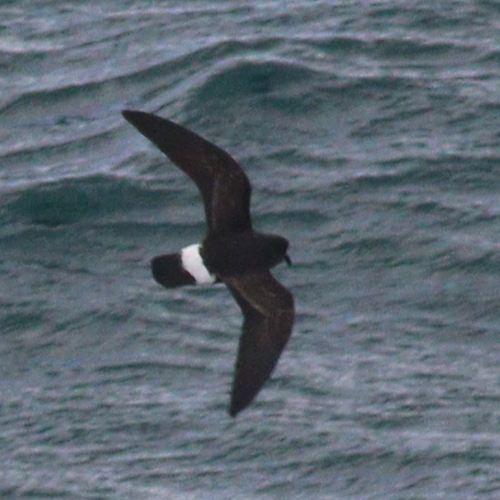 Uccello delle tempeste
In breve
Il segno distintivo più affidabile tra Black-bellied Storm-Petrel e Uccello delle tempeste è la presenza di una larga striscia nera sull'addome nella maggior parte dei Black-bellied Storm-Petrel, rispetto alla parte inferiore completamente nera dell'Uccello delle tempeste. In volo, il Black-bellied Storm-Petrel mostra spesso i piedi che si proiettano ben oltre la coda, mentre i piedi dell'Uccello delle tempeste sono nascosti. Entrambi hanno un sopracciglio bianco e una banda bianca sotto le ali, ma l'Uccello delle tempeste è nettamente più piccolo e ha una coda quadrata, rispetto al Black-bellied, che ha gambe più lunghe e leggermente più grandi. I giovani Uccelli delle tempeste possono mostrare una stretta barra bianca sulla parte superiore dell'ala, assente nel Black-bellied. Lo stile di volo e la proiezione delle gambe sono critici per la separazione in mare.
Consigli di identificazione
- Belly pattern: Il Black-bellied Storm-Petrel di solito mostra una larga striscia nera al centro dell'addome (tutte le età), anche se questa può essere interrotta o assente in alcuni individui o sottospecie. L'Uccello delle tempeste ha sempre una parte inferiore scura uniforme senza striscia sull'addome.
- Leg projection: In volo, le lunghe gambe del Black-bellied Storm-Petrel significano che i piedi si proiettano ben oltre la coda—spesso evidente anche da lontano. I piedi dell'Uccello delle tempeste non si estendono oltre la coda e non sono visibili in volo.
- Size and bulk: Il Black-bellied Storm-Petrel è significativamente più grande e massiccio rispetto all'Uccello delle tempeste. Se visti insieme, la differenza di dimensioni è chiara, ma può essere sottile in mare senza un confronto diretto.
- Tail shape: L'Uccello delle tempeste ha una coda quadrata, mentre la coda del Black-bellied è meno distintamente quadrata e può apparire leggermente più arrotondata in alcune viste.
- Upperwing bar (juveniles): I giovani Uccelli delle tempeste in piumaggio fresco possono mostrare una stretta barra bianca sulla parte superiore dell'ala, una caratteristica non vista nel Black-bellied Storm-Petrel di alcuna età.
- Underwing pattern: Entrambe le specie hanno una banda bianca sotto le ali, quindi questo non è un separatore utile.
- Rump patch: Entrambi hanno un sopracciglio bianco, ma nell'Uccello delle tempeste il bianco si estende ai lati della base della coda. Nel Black-bellied, il sopracciglio bianco è anche prominente, quindi questo non è un separatore chiave.
- Flight style: Il Black-bellied Storm-Petrel ha un volo distintivo e rimbalzante con frequenti cambi di direzione, spesso colpendo l'acqua con l'addome e calciando con i piedi. Il volo dell'Uccello delle tempeste è fluttuante, debole e simile a quello di un pipistrello, con brevi planate.
- Feeding behavior: Il Black-bellied spesso rimbalza sulle onde usando un piede, mentre l'Uccello delle tempeste si libra e batte con entrambi i piedi ma non sembra camminare sull'acqua.
- Plumage wear: Il piumaggio nero dell'Uccello delle tempeste svanisce in un marrone scuro mentre si consuma, mentre il Black-bellied rimane più nero, ma questo è sottile e inaffidabile in mare.
- Bill and head: Entrambi hanno becchi piccoli e neri simili; non è un segno distintivo affidabile.
- Sex and age: Non c'è un evidente dimorfismo sessuale sul campo per nessuna delle due specie. I giovani Uccelli delle tempeste possono mostrare una barra bianca sulla parte superiore dell'ala; i giovani Black-bellied non lo fanno.
- Habitat and range: Nell'Atlantico settentrionale e nel Mediterraneo, ci si aspetta l'Uccello delle tempeste; il Black-bellied è un vagabondo. Negli oceani meridionali, ci si aspetta il Black-bellied; l'Uccello delle tempeste è assente.
- Vocalizations: Entrambi sono silenziosi in mare; richiami nelle colonie non sono utili per la separazione sul campo.
- Pitfalls: Alcuni Black-bellied Storm-Petrels (in particolare F. t. melanoleuca) possono mancare della striscia nera sull'addome, facendoli somigliare all'Uccello delle tempeste. In questi casi, fare affidamento sulla proiezione delle gambe, sulla dimensione e sullo stile di volo per la separazione.
Taglia
Il Black-bellied Storm-Petrel è visibilmente più pesante (media 52 g) rispetto all'Uccello delle tempeste (media 28 g), e questa differenza di dimensioni è spesso evidente in un confronto diretto. L'Uccello delle tempeste è anche più corto in lunghezza (14–18 cm) e ha un'apertura alare più corta (36–39 cm). Sul campo, il Black-bellied appare più massiccio e con gambe più lunghe, mentre l'Uccello delle tempeste è piccolo e compatto.
Piumaggio
I giovani Uccelli delle tempeste in piumaggio fresco possono mostrare una stretta barra bianca sulla parte superiore dell'ala, una caratteristica non presente nel Black-bellied Storm-Petrel a nessuna età. Entrambe le specie mostrano un sopracciglio bianco e una banda bianca sotto le ali, ma il Black-bellied Storm-Petrel ha tipicamente una larga striscia nera sull'addome che scende al centro dell'addome altrimenti bianco—anche se questa striscia può essere interrotta o addirittura assente, specialmente in alcune sottospecie (in particolare F. t. melanoleuca). L'Uccello delle tempeste è altrimenti tutto nero tranne che per il sopracciglio bianco e la banda sotto le ali, privo di qualsiasi striscia sull'addome. Entrambe le specie possono mostrare bianco sui fianchi, ma solo il Black-bellied può avere un addome bianco con una striscia centrale nera. Man mano che il piumaggio si consuma, l'Uccello delle tempeste diventa marrone scuro piuttosto che nero intenso. I sessi non sono separabili in modo affidabile sul campo per nessuna delle due specie.
Comportamento
Il Black-bellied Storm-Petrel ha un comportamento alimentare distintivo, spesso colpendo l'acqua con l'addome e cambiando direzione calciando con i piedi, con un movimento rimbalzante asimmetrico unico usando un piede. Le sue lunghe gambe significano che i piedi si proiettano ben oltre la coda in volo. L'Uccello delle tempeste ha un volo fluttuante, simile a quello di un pipistrello, con brevi planate e un aspetto debole. Quando si nutre, si libra con le ali sollevate e batte sull'acqua, ma non sembra camminare sulla superficie. I piedi dell'Uccello delle tempeste non sono visibili oltre la coda in volo. A terra, l'Uccello delle tempeste cammina lentamente, plantigrado, usando tutto il piede.
Habitat
Il Black-bellied Storm-Petrel preferisce acque più meridionali e fredde, nidificando su isole subantartiche, mentre l'Uccello delle tempeste nidifica su isole al largo dell'Europa settentrionale ed è presente nell'Atlantico settentrionale e nel Mediterraneo. L'overlap in mare è raro, ma entrambi possono verificarsi lontano dalla costa. L'Uccello delle tempeste è molto più probabile nelle acque temperate e settentrionali europee, mentre il Black-bellied è uno specialista degli oceani meridionali.
Voce
Entrambe le specie sono per lo più silenziose in mare. Il Black-bellied Storm-Petrel emette un fischio acuto prolungato nelle colonie di nidificazione, mentre l'Uccello delle tempeste ha richiami notturni in volo nelle colonie, ma nessuno dei due è probabile che venga udito in mare. La voce non è un segno distintivo affidabile per la separazione nella maggior parte dei contesti di birdwatching.
Black-bellied Storm-Petrel · Uccello delle tempeste · I miei uccelli difficili