

Barred Owl vs Great Gray Owl
Strix varia contro Strix nebulosa
Fai un quiz con Barred Owl e Great Gray Owl
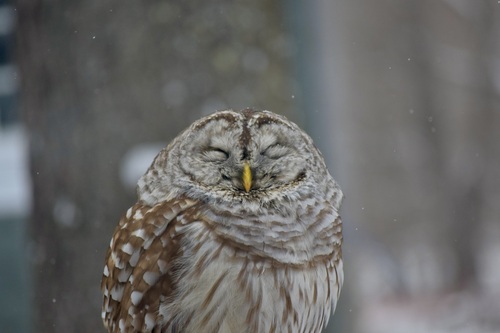 Barred Owl
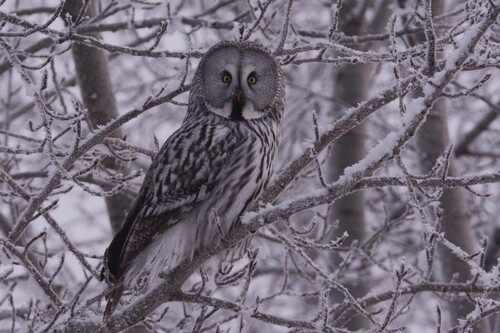 Great Gray Owl
In breve
Great Gray Owl è molto più grande e con una coda più lunga rispetto a Barred Owl, con un volto rotondo e pallido caratterizzato da cerchi concentrici e occhi gialli, rispetto all'aspetto più scuro e con occhi marroni del Barred Owl. In volo o posato, il Great Grey mostra una coda lunga e larga e un 'papillon' bianco sotto il becco, mentre il Barred Owl è più compatto, con una coda più corta e parti inferiori barrate di marrone. I giovani Barred Owls assomigliano a adulti più opachi, ma i giovani Great Grey sono molto pallidi e pelosi. Se vedi un grande gufo grigio spettrale con un enorme disco facciale e occhi gialli, è un Great Grey; un uccello più piccolo, marrone e con occhi scuri con barre orizzontali sul petto e strisce verticali sull'addome è un Barred. Entrambi mancano di ciuffi auricolari, ma le dimensioni e le caratteristiche facciali sono i migliori indizi sul campo.
Consigli di identificazione
- Dimensione e robustezza: Il Great Gray Owl è molto più grande e con una coda più lunga rispetto al Barred Owl. Se il gufo sembra davvero massiccio, specialmente quando è posato, è probabile che sia un Great Grey.
- Disco facciale: Il Great Grey ha un enorme volto rotondo e pallido con anelli concentrici scuri ben definiti e occhi gialli. Il volto del Barred Owl è più piccolo, meno contrastante, e gli occhi sono di un marrone scuro (quasi neri sul campo).
- Colore degli occhi: Giallo nel Great Grey, marrone scuro nel Barred Owl. Questo è un segno chiave a distanza ravvicinata o in foto.
- Segno del 'papillon': Il Great Gray Owl ha un distintivo 'papillon' bianco o una macchia sulla gola sotto il becco, spesso con un centro nero. Il Barred Owl manca di questa caratteristica.
- Forma e lunghezza della coda: La coda del Great Grey è molto lunga e arrotondata all'estremità, spesso si estende ben oltre le punte delle ali quando è posato. La coda del Barred Owl è più corta e meno prominente.
- Schema delle parti inferiori: Il Barred Owl mostra barre orizzontali sul petto e strisce verticali audaci sull'addome. Il Great Grey ha parti inferiori più chiare con sottili strisce scure, mancando del forte contrasto barrato/strisciato del Barred.
- Schema delle parti superiori: Il Barred Owl è marrone con barre bianche e alcune macchie; il Great Grey è complessivamente grigio con barre più chiare e un aspetto più uniforme.
- Differenze nei giovani: I giovani Barred Owls sono versioni più opache e color sabbia degli adulti, a volte con piumino residuo e bande più chiare sulla coda. I giovani Great Greys sono molto pallidi, pelosi e spettrali, con striature minime ma mostrano ancora un enorme disco facciale.
- Colore del becco: Il Barred Owl ha un becco di un pallido giallo paglierino, a volte con una sfumatura verdognola; il becco del Great Grey è meno evidente ma generalmente giallastro.
- Piedi e tarsi: Entrambi hanno gambe e dita piumate, ma questo non è un segno pratico sul campo.
- Stile di volo: Il Great Grey vola con battiti d'ali lenti e galleggianti e una lunga coda; il Barred Owl è più compatto e diretto in volo.
- Contesto dell'habitat: Il Barred Owl è comune nelle foreste mature, spesso di pianura (a volte vicino all'acqua); il Great Grey preferisce foreste boreali o montane con aree aperte adiacenti, spesso in ambienti più selvaggi e meno disturbati.
- Postura posata: Il Great Grey appare spesso eretto ed allungato, enfatizzando le sue dimensioni e la lunga coda. Il Barred Owl è più compatto e arrotondato.
- Ciuffi auricolari: Nessuna delle due specie ha ciuffi auricolari, quindi questa non è una caratteristica distintiva.
- Vocalizzazione: Non diagnostica qui, ma il Barred Owl è famoso per i suoi hoot 'chi cucina per te', mentre i richiami del Great Grey sono più profondi e meno frequentemente uditi.
Taglia
Il Great Gray Owl è il gufo più lungo del mondo, con le femmine che misurano in media 72 cm (28 in) e i maschi 67 cm (26 in) di lunghezza, e un'apertura alare di oltre 140 cm (4 ft 7 in). Il Barred Owl è grande per il Nord America ma molto più piccolo, con una struttura più compatta e una coda più corta. Le dimensioni del Great Grey sono accentuate dal suo piumaggio soffice e soprattutto dalla sua lunga coda, ma la sua massa corporea è in realtà inferiore a quella di alcuni altri grandi gufi. Sul campo, il Great Grey appare davvero massiccio, specialmente quando è posato o in volo, mentre il Barred Owl è notevolmente più piccolo e meno imponente.
Piumaggio
- Giovane/immaturo Barred Owl: Assomiglia a un adulto più opaco, con marcature della testa/collo meno distinte, più color sabbia nel complesso, un po' di piumino e un cerchio blu-verde pallido. La coda può mostrare fino a sette bande pallide (gli adulti di solito ne hanno quattro o cinque).
- Giovane Great Gray Owl: Molto pallido e peloso, con una grande testa arrotondata e striature minime, ma mostra ancora il grande disco facciale e gli occhi gialli.
- Adulto Barred Owl: Grigio-marrone nel complesso, con barre bianche sulla schiena e sul mantello, ali barrate di marrone e un volto pallido con linee concentriche sottili. Le parti inferiori hanno barre orizzontali sul petto e strisce verticali audaci sull'addome. Gli occhi sono marroni scuri, apparendo quasi neri sul campo.
- Adulto Great Gray Owl: Complessivamente grigio, con barre pallide sulle parti superiori, un enorme volto pallido con cerchi concentrici scuri, occhi gialli e un 'papillon' bianco sotto il becco. Le parti inferiori sono chiare con strisce scure, e la lunga coda è grigia e arrotondata all'estremità. Nessun ciuffo auricolare in entrambe le specie, ma il disco facciale del Great Grey è molto più grande e contrastante.
Comportamento
Entrambe le specie sono tipicamente posate silenziosamente in habitat forestali, spesso al crepuscolo o all'alba. Il Great Gray Owl spesso caccia da posatoi esposti su prati aperti o bordi forestali, utilizzando le sue lunghe ali e coda per un volo galleggiante e silenzioso. Il Barred Owl è più probabile trovarlo in boschi densi, muovendosi con un volo più compatto e diretto. Lo stile di caccia del Great Grey è più dipendente dall'ascolto delle prede sotto la neve o l'erba, mentre il Barred Owl caccia una varietà più ampia di prede in ambienti a chioma chiusa.
Habitat
Il Barred Owl è nativo dell'est del Nord America ma si è espanso sulla costa occidentale, favorendo foreste mature, spesso vicino all'acqua. Il Great Gray Owl ha una distribuzione circumpolare nell'emisfero settentrionale, preferendo foreste boreali dense con prati aperti vicini per la caccia. In Nord America, il Great Grey è più settentrionale e montano, mentre il Barred Owl è comune nelle foreste di pianura. L'overlap è limitato, ma dove entrambe le specie si trovano, il Great Grey è presente in habitat più selvaggi, meno disturbati e più aperti.