

Oca facciabianca vs Oca collorosso
Branta leucopsis contro Branta ruficollis
Fai un quiz con Oca facciabianca e Oca collorosso
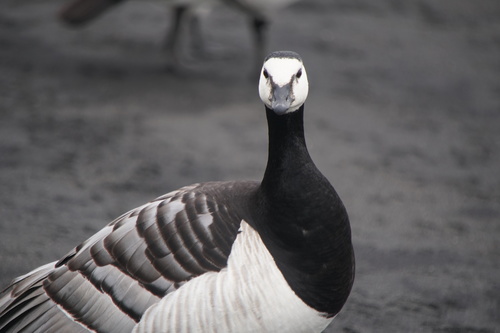 Oca facciabianca
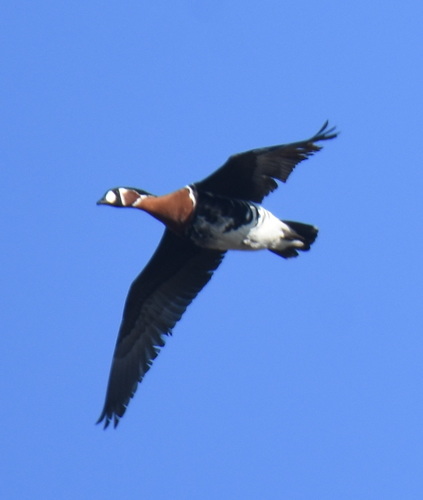 Oca collorosso
In breve
Il segno di campo più affidabile che separa l'Oca facciabianca dall'Oca collorosso è la presenza di un volto bianco e un collo nero sull'Oca facciabianca, rispetto al colletto e al petto rosso castano dell'Oca collorosso. Entrambi sono oche Branta in bianco e nero, ma la colorazione unica rosso-rossa dell'Oca collorosso è diagnostica a qualsiasi distanza se visibile. In volo, l'Oca facciabianca mostra un dorso e un sottocoda grigio argento con un evidente coda bianca, mentre le parti superiori dell'Oca collorosso sono più scure con strisce bianche audaci e riflessi rossi. I giovani di entrambe le specie somigliano strettamente agli adulti, quindi l'età è meno probabile che causi confusione rispetto alla distanza o alla scarsa illuminazione. Anche la dimensione del becco e la struttura generale differiscono, con l'Oca facciabianca che è più pesante e robusta.
Consigli di identificazione
- Schema del volto e del collo: L'Oca facciabianca mostra sempre un volto bianco nitido con un cappello nero e un collo; l'Oca collorosso ha un volto nero con una evidente macchia bianca sulla guancia e un collo e un petto rosso castano profondo, bordato da strisce bianche. Questo è il segno più affidabile a qualsiasi età o stagione.
- Colore del petto: Il ricco petto rosso dell'Oca collorosso è unico; l'Oca facciabianca ha una pancia bianca pulita e un petto superiore nero senza rosso.
- Ali superiori e dorso in volo: L'Oca facciabianca mostra ali superiori e dorso grigio argento con barre bianche e nere, e una prominente macchia bianca sulla coda; le parti superiori dell'Oca collorosso sono più scure, con meno contrasto argentato e più nero, oltre a strisce bianche sulle copritrici delle ali e scapolari.
- Sottocoda: L'Oca facciabianca ha rivestimenti del sottocoda più chiari e grigio argento, visibili in volo; il sottocoda dell'Oca collorosso è più scuro e meno contrastante.
- Struttura del becco: L'Oca facciabianca ha un becco nero piccolo e tozzo; il becco dell'Oca collorosso è ancora più corto e più delicato, ma questo è sottile e meglio utilizzato in confronto diretto.
- Dimensioni e forma: L'Oca facciabianca è più robusta e pesante, con un aspetto più robusto; l'Oca collorosso è più piccola, più compatta e appare con un collo più corto e più leggera sull'acqua o a terra.
- Piumaggio giovanile: I giovani di entrambe le specie somigliano strettamente agli adulti, ma i giovani dell'Oca facciabianca hanno punte arrotondate delle piume del mantello e dei fianchi (non quadrate come negli adulti); questo è sottile e raramente diagnostico a distanza.
- Coda bianca in volo: L'Oca facciabianca mostra una macchia bianca a forma di V in volo, in contrasto con la coda nera e il dorso; l'Oca collorosso non ha questa caratteristica, mostrando una parte posteriore più uniformemente scura.
- Strisce bianche: L'Oca collorosso ha audaci strisce bianche sui lati del collo e lungo i fianchi, visibili anche a una certa distanza; l'Oca facciabianca non ha queste strisce.
- Visibilità del colore rosso: A lunga distanza o in scarsa illuminazione, il rosso dell'Oca collorosso può apparire scuro o nerastro, rendendo possibile trascurarlo; controlla sempre le strisce bianche e la macchia sulla guancia per confermare.
- Colore delle gambe: Entrambi hanno gambe nere, quindi questo non è un segno utile sul campo.
- Vocalizzazioni: L'Oca collorosso emette honk e hiss più acuti e rapidi; i richiami dell'Oca facciabianca sono più profondi e più tipici delle oche Branta.
- Comportamento in gruppo: L'Oca collorosso tende a rimanere in gruppi stretti e diffidenti, a volte associandosi a rapaci per protezione; l'Oca facciabianca è più rilassata e spesso in gruppi più grandi.
- Contesto dell'habitat: Se vista in Eurasia, specialmente in inverno in un sito noto per l'Oca collorosso, controlla attentamente il motivo rosso e bianco; l'Oca facciabianca è più diffusa nell'Atlantico settentrionale e nell'Europa occidentale costiera.
- Trappole: La scarsa illuminazione o la distanza possono offuscare il rosso dell'Oca collorosso, facendola apparire più simile a una Branta scura; cerca sempre le strisce bianche e la macchia sulla guancia, e usa dimensioni e struttura come indizi di supporto.
Taglia
L'Oca facciabianca è notevolmente più grande e pesante, con una massa media di circa 1687 g rispetto ai 1235 g dell'Oca collorosso. L'Oca facciabianca misura 55–70 cm di lunghezza e ha un'apertura alare di 120–145 cm, mentre l'Oca collorosso è più piccola, lunga 53–56 cm e con un'apertura alare di 116–135 cm. Sul campo, l'Oca facciabianca appare più robusta e solida, con un becco più tozzo, mentre l'Oca collorosso è più compatta e delicata, specialmente in gruppi misti.
Piumaggio
I giovani e gli adulti dell'Oca facciabianca hanno entrambi un volto bianco distintivo, testa nera, collo e petto superiore, con un dorso grigio argento e ali barrate. In volo, l'Oca facciabianca mostra una macchia bianca a forma di V sulla coda e rivestimenti del sottocoda chiari. I giovani possono essere riconosciuti dalle punte arrotondate delle piume del mantello e dei fianchi, ma altrimenti somigliano agli adulti. L'Oca collorosso, in tutti i piumaggi, è molto più colorata: ha un profondo petto e colletto rosso castano bordati da audaci strisce bianche, con una pancia e fianchi neri. A distanza, il rosso può apparire scuro, ma il motivo di strisce bianche e nere è unico. L'ala superiore dell'Oca collorosso è complessivamente più scura, con meno contrasto argentato rispetto all'Oca facciabianca. Entrambe le specie hanno gambe nere e becchi corti e scuri, ma il motivo del volto è sempre diagnostico se visto bene.
Comportamento
Entrambe le specie sono sociali e pascolano in aree aperte, ma l'Oca collorosso è più probabile che venga trovata in gruppi stretti e diffidenti e spesso si associa a rapaci per protezione durante la nidificazione. L'Oca facciabianca è più robusta e meno segreta, spesso vista in gruppi più grandi e più rilassati. In volo, la costruzione più pesante dell'Oca facciabianca le conferisce un battito d'ali più stabile e lento rispetto all'Oca collorosso, più agile e compatta.
Habitat
Entrambe le specie si trovano in tundra aperta o praterie costiere nel loro areale di nidificazione e in campi agricoli o zone umide in inverno. L'Oca collorosso è più ristretta, con la maggior parte della popolazione che sverna in pochi siti, ed è più probabile che venga vista in Eurasia. L'Oca facciabianca è diffusa nella regione dell'Atlantico settentrionale e più probabile che si verifichi come vagante in Europa occidentale. È possibile un sovrapposizione degli habitat nei terreni di svernamento, specialmente in gruppi misti di Branta.
Voce
L'Oca collorosso emette richiami acuti e rapidi, specialmente in contesti aggressivi o allarmati. L'Oca facciabianca ha un honk più tipico delle Branta, più profondo e meno penetrante. Le vocalizzazioni non sono il segno di campo più affidabile, ma i richiami più acuti e rapidi dell'Oca collorosso possono essere un indizio di supporto in gruppi misti.
Oca facciabianca · Oca collorosso · I miei uccelli difficili