
Rondine vs European/African/Eastern Red-rumped Swallow
Hirundo rustica contro Cecropis daurica
Fai un quiz con Rondine e European/African/Eastern Red-rumped Swallow
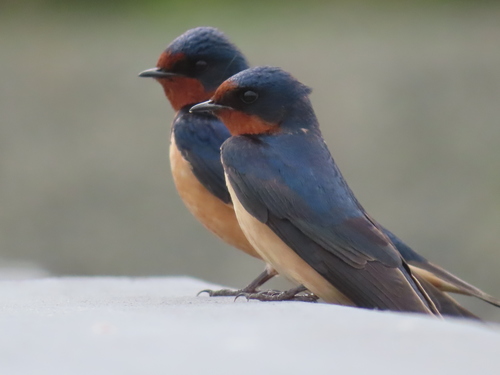 Rondine
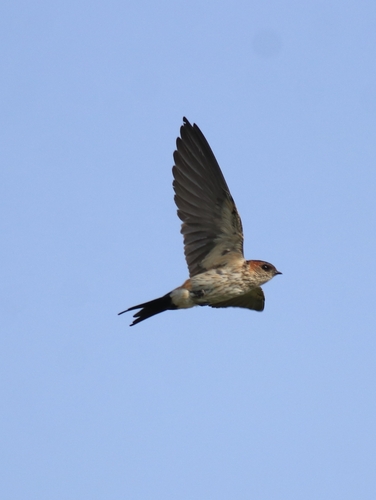 European/African/Eastern Red-rumped Swallow
In breve
Il segno distintivo più affidabile per separare la Rondine dall'European/African/Eastern European/African/Eastern European/African/Eastern Red-rumped Swallow è la combinazione del pattern delle parti inferiori e del sopracciglio: gli adulti della Rondine mostrano una gola e una fronte rufous pulite, una banda petto blu-nera e parti inferiori bianche (non striate), mentre l'European/African/Eastern European/African/Eastern European/African/Eastern Red-rumped Swallow ha parti inferiori bianche pesantemente striate con linee scure e una distintiva macchia di ruggine sul sopracciglio. In volo, la coda della Rondine è profondamente biforcuta con lunghe streamers (soprattutto negli adulti), mentre la coda dell'European/African/Eastern Red-rumped è meno profondamente biforcuta e il sopracciglio è più evidente. Le Rondini juvenile possono essere confuse con l'European/African/Eastern Red-rumped a causa delle code più corte, ma mancano comunque delle pesanti striature delle parti inferiori e hanno una macchia di sopracciglio meno distintiva. Fai particolare attenzione al sopracciglio e alle striature delle parti inferiori quando osservi gli uccelli in volo o appollaiati.
Consigli di identificazione
- Underpart streaking: L'European/African/Eastern European/African/Eastern European/African/Eastern Red-rumped Swallow mostra sempre pesanti striature scure su parti inferiori altrimenti bianche (tutte le età), mentre le parti inferiori della Rondine sono pulite e di un bianco sporco (adulti) o solo leggermente segnate (juvenili).
- Rump color: L'European/African/Eastern European/African/Eastern European/African/Eastern Red-rumped Swallow ha una macchia di ruggine o rufous sul sopracciglio, a volte striata o più chiara nei juvenile/sottospecie, sempre in contrasto con il dorso blu. Il sopracciglio della Rondine è blu, abbinandosi alle parti superiori.
- Throat and forehead: La Rondine ha una fronte, un mento e una gola rufous ricchi, separati dalle parti inferiori da una banda petto blu scuro. Il volto dell'European/African/Eastern European/African/Eastern European/African/Eastern Red-rumped Swallow è bianco o pallido con un collare rossastro debole o assente, e senza una forte banda petto.
- Tail shape and length: L'adulto della Rondine ha streamers della coda molto lunghi e profondamente biforcuti (soprattutto nei maschi), con una linea di macchie bianche sulla coda esterna. La coda dell'European/African/Eastern European/African/Eastern European/African/Eastern Red-rumped Swallow è meno profondamente biforcuta, con streamers più corti e macchie bianche meno distinte.
- Juvenile confusion: La Rondine juvenile manca di lunghe streamers della coda ed è più marrone sopra, ma manca comunque di pesanti striature delle parti inferiori e ha un sopracciglio blu (non rufous). L'European/African/Eastern European/African/Eastern European/African/Eastern Red-rumped Swallow juvenile è più opaco nel complesso ma mostra sempre qualche striatura di ruggine e delle parti inferiori.
- Breast band: La Rondine ha una larga banda petto blu scuro che separa la gola rufous dall'addome bianco. L'European/African/Eastern European/African/Eastern European/African/Eastern Red-rumped Swallow manca di una banda petto; la gola si fonde nelle parti inferiori striate.
- Face pattern: Il volto rufous della Rondine è distintivo. L'European/African/Eastern European/African/Eastern European/African/Eastern Red-rumped Swallow ha un volto pallido o bianco con un possibile collare rossastro debole.
- Perched posture: La Rondine appare spesso più allungata e snella a causa delle sue lunghe streamers della coda, soprattutto quando è appollaiata. L'European/African/Eastern European/African/Eastern European/African/Eastern Red-rumped Swallow appare più compatto con una coda più corta.
- Flight jizz: Il volo della Rondine è più acrobatico e grazioso, con lunghe streamers della coda che si trascinano dietro. Il volo dell'European/African/Eastern European/African/Eastern European/African/Eastern Red-rumped Swallow è leggermente più diretto e meno 'simile a una rondine' a causa della coda più corta.
- Habitat context: In aree costruite o agricole, la Rondine è molto più probabile. In paesi collinari, rurali o leggermente boscosi, specialmente lontano dagli edifici, controlla per l'European/African/Eastern European/African/Eastern European/African/Eastern Red-rumped Swallow.
- Nesting sites: La Rondine nidifica su edifici, sotto le sporgenze o anche sotto i nidi di pesce falco. L'European/African/Eastern European/African/Eastern European/African/Eastern Red-rumped Swallow preferisce scogliere, ponti o strutture rurali.
- Vocalization: La Rondine è più vocale, soprattutto vicino ai nidi. L'European/African/Eastern European/African/Eastern European/African/Eastern Red-rumped Swallow è più silenzioso e meno propenso a chiamare in modo evidente.
- Sex differences: La femmina della Rondine ha streamers della coda più corte e parti inferiori più chiare rispetto al maschio, ma mostra comunque lo stesso pattern di base. I sessi dell'European/African/Eastern European/African/Eastern European/African/Eastern Red-rumped Swallow sono simili.
- Subspecies variation: Alcune sottospecie dell'European/African/Eastern European/African/Eastern European/African/Eastern Red-rumped Swallow (ad es., C. d. erythropygia) hanno un sopracciglio uniforme di ruggine senza striature e una biforcazione della coda poco profonda; altre hanno un sopracciglio più chiaro e striato. Controlla sempre le striature delle parti inferiori e il colore del sopracciglio.
- Pitfalls: In scarsa illuminazione o a distanza, la Rondine juvenile può apparire simile all'European/African/Eastern European/African/Eastern European/African/Eastern Red-rumped Swallow a causa della coda corta e del piumaggio più opaco, ma la mancanza di striature delle parti inferiori e un sopracciglio blu sono chiave. Cerca sempre di vedere chiaramente il sopracciglio e l'addome chiaramente.
Taglia
Entrambe le specie sono simili in lunghezza complessiva (Rondine 17–19 cm inclusi gli streamers della coda, European/African/Eastern European/African/Eastern European/African/Eastern Red-rumped Swallow circa 19 cm), ma gli streamers della coda della Rondine possono farla apparire più lunga e più snella, soprattutto nei maschi adulti. Le aperture alari sono anche simili (Rondine 32–34.5 cm). Il peso non è separabile in modo affidabile sul campo. La dimensione da sola non è un forte separatore, ma la Rondine appare spesso più snella e allungata a causa della sua coda.
Piumaggio
- Juvenile/immature birds: La Rondine juvenile è più marrone sopra, con un volto rufous più chiaro, parti inferiori più bianche e manca di lunghe streamers della coda. L'European/African/Eastern European/African/Eastern European/African/Eastern Red-rumped Swallow juvenile è più opaco e marrone, con un sopracciglio più chiaro e piume esterne della coda più corte, ma mostra sempre pesanti striature scure sulle parti inferiori e qualche forma di macchia di ruggine sul sopracciglio (a volte striata o più chiara a seconda della sottospecie).
- Adults: L'adulto della Rondine ha parti superiori blu acciaio, una fronte, un mento e una gola rufous, una larga banda petto blu-nera e parti inferiori pulite di un bianco sporco. La coda è profondamente biforcuta con lunghe streamers esterne e una linea di macchie bianche sulla coda esterna. L'adulto dell'European/African/Eastern European/African/Eastern European/African/Eastern Red-rumped Swallow ha parti superiori blu, un sopracciglio rufous o di castagna (a volte striato), parti inferiori bianche con pesanti striature scure e una coda meno profondamente biforcuta. Il volto è bianco e il collare rossastro può essere debole o assente. Le macchie bianche sulla coda sono meno distinte rispetto alla Rondine.
- Key contrast: Le striature delle parti inferiori e il colore del sopracciglio sono i segni distintivi più consistenti in tutte le età.
Comportamento
Entrambe le specie sono insetti aerei e spesso si nutrono in aree aperte. La Rondine è più probabile da vedere in stretta associazione con gli insediamenti umani, spesso nidificando su edifici o sotto le sporgenze, e frequentemente si appollaia sui fili in gruppi. L'European/African/Eastern European/African/Eastern European/African/Eastern Red-rumped Swallow preferisce paesi aperti, collinari o leggermente boscosi, spesso lontano da densità di abitazione umana, e può nidificare su scogliere o sotto ponti. Entrambe le specie possono essere viste volare basse sopra campi o acqua, ma la Rondine tende ad essere più confidente e visibile in aree costruite.
Habitat
La Rondine è estremamente diffusa e adattabile, comunemente trovata in paesi aperti, terreni agricoli e vicino a insediamenti umani in gran parte del mondo. L'European/African/Eastern European/African/Eastern European/African/Eastern Red-rumped Swallow favorisce aree aperte, spesso collinari o leggermente boschive, a volte con coltivazione, ed è meno legata a edifici o alla vicinanza umana. In Asia, l'European/African/Eastern European/African/Eastern European/African/Eastern Red-rumped Swallow è più probabile in paesaggi collinari o rurali, mentre la Rondine è ubiquitaria in villaggi, città e fattorie.
Voce
La Rondine ha una varietà di richiami, inclusi un morbido 'witt' o 'witt-witt', un forte 'splee-plink' quando è eccitata, e richiami di allerta acuti. La voce dell'European/African/Eastern European/African/Eastern European/African/Eastern Red-rumped Swallow non è descritta in dettaglio nelle note, ma è generalmente più silenziosa e meno vocale rispetto alla Rondine. Le vocalizzazioni non sono il segno distintivo più affidabile per la separazione, ma la Rondine è più probabile da essere sentita chiamare, soprattutto vicino ai nidi.
Rondine · European/African/Eastern Red-rumped Swallow · I miei uccelli difficili