
Pittima minore vs Beccaccino
Limosa lapponica contro Gallinago gallinago
Fai un quiz con Pittima minore e Beccaccino
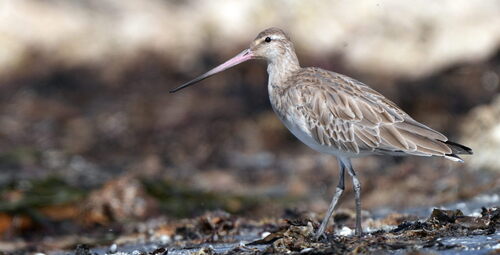 Pittima minore
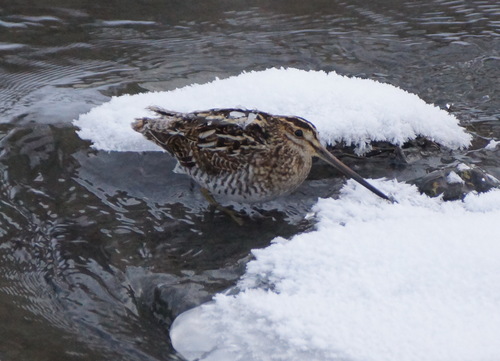 Beccaccino
In breve
Il segno di campo più affidabile per separare la Pittima minore dal Beccaccino è la struttura e la dimensione complessive: le pittime sono molto più grandi, con gambe più lunghe e un becco lungo e leggermente ricurvo, mentre i beccaccini sono piccoli, tozzi e con gambe corte e un becco dritto e simile a un ago. In volo, le pittime mostrano ali superiori semplici senza strisce audaci o bordi posteriori, mentre i beccaccini hanno ali appuntite e un volo compatto e a zig-zag. Le pittime juvenile e non in riproduzione possono apparire semplici e pallide, ma i beccaccini mostrano sempre un forte mimetismo con strisce giallastre sulla schiena e una striscia oculare scura. L'habitat e il comportamento aiutano anche: le pittime si vedono su fanghi aperti e estuari, i beccaccini in erba densa e umida o paludi. Anche a distanza, la dimensione e la forma della pittima sono inconfondibili rispetto al beccaccino, molto più piccolo e tozzo.
Consigli di identificazione
- Dimensione e struttura: La Pittima minore è molto più grande e con gambe più lunghe rispetto al Beccaccino. Se l'uccello appare delle dimensioni di un'oca tra i limicoli, è una pittima; se è piccolo e tozzo, è un beccaccino.
- Forma del becco: La pittima ha un becco lungo, leggermente ricurvo e bicolore (rosa alla base, nero alla punta); il beccaccino ha un becco dritto, scuro e simile a un ago, quasi lungo quanto il suo corpo, ma mai ricurvo.
- Colore e lunghezza delle gambe: Le gambe della pittima sono blu-grigie e lunghe, facendola apparire alta; le gambe del beccaccino sono corte, grigio-verdi, e l'uccello si trova basso a terra.
- Stile di volo: La pittima vola con battiti d'ali costanti e diretti, spesso in linee rette o ampi cerchi; il beccaccino si alza in volo con un volo rapido e a zig-zag, emettendo spesso un richiamo acuto.
- Schema delle ali superiori (tutte le età): Le ali della pittima sono semplici sopra, prive di strisce audaci o bordi posteriori; le ali del beccaccino sono appuntite e l'uccello appare compatto in volo.
- Schiena e parti superiori: La pittima (soprattutto i juvenile e non in riproduzione) è di un grigio-marrone semplice con striature sottili; il beccaccino è sempre fortemente patternizzato con strisce giallo-straw e una striscia oculare scura.
- Petto e ventre: Le pittime in riproduzione (maschi) sono di un rosso mattone sotto; il beccaccino è sempre pallido o color sabbia con striature, mai rosso o rugginoso.
- Schema della testa: Il beccaccino ha una striscia scura audace attraverso l'occhio con linee chiare sopra e sotto; la testa della pittima è semplice o solo leggermente marcata.
- Forma della coda: Il beccaccino ha una coda corta, spesso aperta in volo; la coda della pittima è più lunga e meno evidente in volo.
- Habitat: La pittima è su fanghi aperti/estuari; il beccaccino è in erba densa e umida o paludi.
- Comportamento quando si avvicina: La pittima rimane in aperto o vola via costantemente; il beccaccino si alza improvvisamente da un riparo, spesso zig-zagando.
- Display di corteggiamento: I maschi di beccaccino eseguono 'winnowing' aereo con suono di tamburo della coda; i display della pittima sono silenziosi o privi di questo suono meccanico.
- Confusione di sesso e età: Le femmine e i juvenile di pittima sono più opachi e pallidi, ma mai così cripticamente patternizzati come il beccaccino. Il beccaccino non mostra mai la semplicità di una pittima.
- Voce: Il beccaccino emette un richiamo acuto 'scape' quando si alza; la pittima è per lo più silenziosa in volo (secondo queste note).
- Contesto di branco: Le pittime sono spesso in branchi sciolti su fango; il beccaccino di solito è solitario o in piccoli gruppi, ben nascosto.
Taglia
La Pittima minore è sostanzialmente più grande e pesante (massa media adulta ~333,5 g) rispetto al Beccaccino (~119,5 g). Le pittime misurano 37–41 cm di lunghezza con un'apertura alare di 70–80 cm, mentre i beccaccini sono lunghi solo 25–27 cm con un'apertura alare di 44–47 cm. La pittima si erge alta su gambe blu-grigie relativamente lunghe, mentre il beccaccino è a gambe corte e appare molto più compatto. Anche a distanza o in branchi misti, la dimensione e la postura a gambe lunghe della pittima sono evidenti rispetto al profilo tozzo e basso del beccaccino.
Piumaggio
- Piumaggio juvenile/immaturo e non in riproduzione: I juvenile e gli adulti non in riproduzione della Pittima minore sono di un grigio-marrone semplice sopra con centri delle piume più scuri, dando un aspetto striato sottile, e sono bianchi sotto. I juvenile sono più color sabbia complessivamente con fianchi e petto striati. Il Beccaccino, di qualsiasi età, è molto più intricatamente patternizzato: marrone sopra con strisce giallo-straw, una striscia oculare scura audace e parti inferiori chiare. Le parti superiori del beccaccino mostrano sempre un forte mimetismo, mai l'aspetto semplice di una pittima.
- Piumaggio di riproduzione: I maschi adulti di pittima in piumaggio di riproduzione hanno un collo, un petto e un ventre di un rosso mattone ininterrotto, con parti superiori marroni scure; le femmine sono più opache, da castano a cannella sotto. Il beccaccino non mostra toni rossi o rugginosi, rimanendo cripticamente striato e maculato tutto l'anno.
- Ali in volo: Le pittime hanno ali superiori semplici senza pannelli audaci o bordi posteriori. Le ali del beccaccino sono appuntite e, sebbene non siano descritte come aventi un bordo posteriore audace in queste note, l'effetto complessivo è un aspetto più compatto e angolare in volo rispetto alle ali più lunghe e più larghe della pittima.
Comportamento
La Pittima minore è solitamente vista nutrirsi in aperto su fanghi e estuari, camminando costantemente su lunghe gambe e sondando con il suo lungo becco. Forma spesso branchi sciolti e può essere vista volare in linee rette o ampi cerchi durante il display, con un volo costante e diretto. Il Beccaccino è timido e segreto, tipicamente nascosto in paludi o erba densa. Si alza in volo solo quando si avvicina, volando via in un modello rapido e a zig-zag per confondere i predatori. Il beccaccino si nutre sondando nel fango morbido, spesso rimanendo immobile e facendo affidamento sul mimetismo. Durante il corteggiamento, i maschi di beccaccino eseguono display aerei di 'winnowing', circolando in alto e tuffandosi per produrre un suono di tamburo con le piume della coda.
Habitat
La Pittima minore si trova su fanghi costieri aperti e estuari, specialmente durante la migrazione e l'inverno. È raramente trovata in vegetazione densa o paludi d'acqua dolce. Il Beccaccino preferisce paludi, torbiere, prati umidi e tundra con copertura vegetale densa, spesso lontano da fanghi tidali aperti. Se si alza un uccello da erba folta o da una torbiera, è quasi certamente un beccaccino, non una pittima. Al contrario, un grande limicolo che avanza su fango aperto è quasi mai un beccaccino.
Voce
La Pittima minore non è nota per richiami di volo distintivi in queste note. Il Beccaccino, quando si alza, emette un richiamo acuto 'scape, scape' e, durante il display, produce un suono unico di 'tamburo' o 'winnowing' con le piume della coda in volo. Questo suono meccanico è diagnostico per il beccaccino durante la stagione di riproduzione.