

Pittima minore vs Pittima reale
Limosa lapponica contro Limosa limosa
Fai un quiz con Pittima minore e Pittima reale
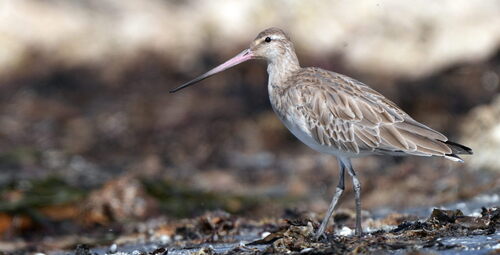 Pittima minore
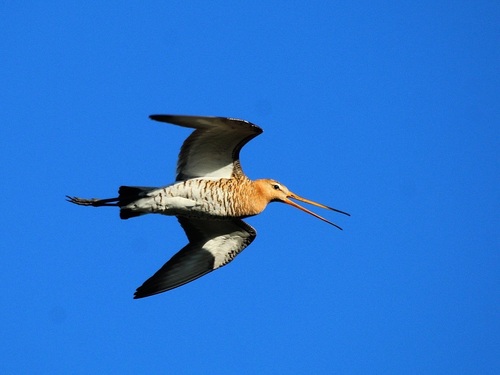 Pittima reale
In breve
Il segno distintivo più affidabile per separare Pittima minore e Pittima reale è la vivace banda alare bianca e nera e il sottocoda bianco della Pittima reale, visibile in tutte le età e particolarmente evidente in volo. La Pittima minore manca di questo schema, mostrando ali più semplici e una coda barrata. A terra, la Pittima reale si erge più alta con zampe più lunghe e un becco più lungo e dritto, mentre la Pittima minore ha zampe più corte con un becco leggermente ricurvo. La livrea di riproduzione differisce: la Pittima minore mostra parti inferiori di un rosso mattone ininterrotto, mentre la Pittima reale ha un lavaggio più arancione limitato alla testa, al collo e al petto. Gli uccelli non in riproduzione e i giovani sono più difficili da distinguere, ma i modelli di ali e coda in volo rimangono i migliori indizi.
Consigli di identificazione
- In volo, cerca il modello delle ali: La Pittima reale di qualsiasi età mostra una vivace banda alare bianca e un sottocoda bianco con una banda terminale nera; la Pittima minore manca di questi, mostrando ali più semplici e una coda barrata. Questo è il segno più affidabile, soprattutto per gli immaturi e gli uccelli non in riproduzione.
- Modello della coda: La Pittima minore ha una coda barrata marrone e bianca; la Pittima reale ha una coda bianca con una banda terminale nera solida. Questo è visibile in volo e a volte quando si pulisce o si allunga a terra.
- Lunghezza delle zampe e postura: La Pittima reale si erge più alta e ha zampe più lunghe, che si estendono ben oltre la coda in volo e fanno sembrare l'uccello più eretto a terra. La Pittima minore ha zampe più corte e appare più compatta.
- Forma del becco: Il becco della Pittima minore è leggermente ricurvo e bicolore (rosa alla base, nero alla punta); il becco della Pittima reale è più lungo, dritto e anch'esso bicolore ma meno ovviamente ricurvo. La lunghezza del becco è variabile e si sovrappone, ma la curvatura è un indizio utile.
- Livrea di riproduzione: La Pittima minore (soprattutto i maschi) mostra parti inferiori di un rosso mattone ininterrotto e parti superiori scure; i maschi della Pittima reale hanno un lavaggio arancione più limitato sulla testa, sul collo e sul petto, che non si estende così in basso sull'addome. Le femmine di entrambe sono più opache, ma la differenza nell'estensione e nella tonalità del colore rimane utile.
- Livrea non in riproduzione: La Pittima minore è di un grigio-marrone uniforme sopra con dorso striato e biancastro sotto; la Pittima reale è più uniformemente marrone-grigia sopra e sotto, mancando del dorso striato. Questo è sottile e meglio utilizzato in combinazione con altri segni.
- Livrea giovanile: La Pittima minore giovanile è più color crema e più striata sui fianchi e sul petto; la Pittima reale giovanile ha un lavaggio arancione pallido sul collo e sul petto, ma è altrimenti semplice.
- Postura alimentare: La Pittima reale spesso si nutre in acque più profonde a causa delle zampe più lunghe, a volte guadando fino alla pancia, mentre la Pittima minore tende a nutrirsi in acque più basse o su fango esposto.
- Contesto dell'habitat: In inverno, la Pittima minore è più strettamente costiera, specialmente su ampie pianure di marea; la Pittima reale può essere trovata sia in zone umide di marea che in zone umide d'acqua dolce, a volte nell'entroterra.
- Volo di display: Se osservato, il volo di display della Pittima minore è più ordinato e meno erratico rispetto a quello della Pittima reale, che può mostrare una fase di rotolamento.
- Impressione di dimensione: La Pittima reale è leggermente più lunga e si erge più alta, ma entrambe le specie si sovrappongono in massa e dimensioni complessive; usa la struttura e la postura più che la dimensione da sola.
- Dimorfismo sessuale: Entrambe le specie mostrano maschi più brillanti in livrea di riproduzione, ma la differenza nell'estensione del colore (rosso mattone vs. lavaggio arancione) è più utile che sessare gli uccelli.
- Colore del becco in stagione: In riproduzione, entrambe le specie hanno una base rosa o arancione al becco, ma quello della Pittima minore è più distintamente rosa; in inverno, entrambi i becchi sono più chiari alla base.
- Colore delle zampe: Le zampe della Pittima minore sono blu-grigie; quelle della Pittima reale sono grigie scure, marroni o nere. Questo può essere sottile e variabile, quindi usalo con cautela.
- Trappole: In scarsa illuminazione o a distanza, la struttura e la forma del becco possono essere fuorvianti; cerca sempre di vedere il modello delle ali e della coda in volo per conferma, soprattutto con immaturi o uccelli non in riproduzione.
Taglia
Entrambe le specie sono grandi trampolieri e si sovrappongono in dimensione, ma la Pittima minore è mediamente più pesante (massa corporea ~333,5 g vs. 289,5 g per la Pittima reale [wikidata]). La Pittima reale è leggermente più lunga (becco-coda 42 cm vs. 37–41 cm per la Pittima minore) e ha un'apertura alare simile (70–82 cm Pittima reale, 70–80 cm Pittima minore). Sul campo, la Pittima reale appare spesso più alta e più allungata a causa delle sue zampe e del collo più lunghi, mentre la Pittima minore è più compatta e con zampe più corte.
Piumaggio
I giovani e gli esemplari non in riproduzione della Pittima reale mostrano una distintiva banda alare bianca e nera e un sottocoda bianco in volo, che la Pittima minore manca a tutte le età. La coda della Pittima minore è barrata marrone e bianca, mentre quella della Pittima reale è bianca con una vivace banda terminale nera. A terra, la Pittima minore in livrea di riproduzione è rossa mattone sotto e scura sopra, con femmine più opache e più cannella; i maschi della Pittima reale in riproduzione sono arancioni sulla testa, sul collo e sul petto, con il colore che non si estende così in basso sull'addome come nella Pittima minore. La Pittima minore non in riproduzione è di un grigio-marrone uniforme sopra con dorso striato e biancastro sotto; la Pittima reale è più uniformemente marrone-grigia sopra e sotto, mancando del dorso striato. La Pittima minore giovanile è più color crema e più striata rispetto alla Pittima reale giovanile, che ha un lavaggio arancione pallido sul collo e sul petto.
Comportamento
Entrambe le specie sono fortemente migratorie e spesso si trovano in habitat costieri simili, ma i loro voli di display differiscono: il volo cerimoniale della Pittima minore è più ordinato e meno erratico rispetto a quello della Pittima reale, che può mostrare un volo di rotolamento dopo l'ascensione. La difesa territoriale della Pittima minore è per lo più a terra e meno aggressiva nel complesso. In stormi misti, la Pittima reale può apparire più eretta e attiva a causa delle sue zampe e del collo più lunghi.
Habitat
Entrambe le specie utilizzano pianure di fango costiere e estuari, ma la Pittima minore è più strettamente costiera, specialmente in inverno, e nidifica nella tundra artica. La Pittima reale nidifica in prati umidi e paludi e trascorre l'inverno in una gamma più ampia di zone umide, a volte nell'entroterra. Nella stagione non riproduttiva, la Pittima minore è più probabile che venga trovata su ampie pianure di marea, mentre la Pittima reale può utilizzare sia habitat di marea che d'acqua dolce.