

American Bittern vs Least Bittern
Botaurus lentiginosus contro Botaurus exilis
Fai un quiz con American Bittern e Least Bittern
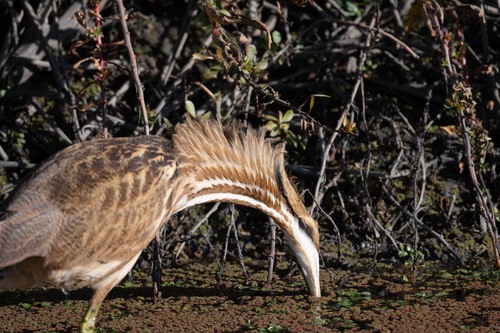 American Bittern
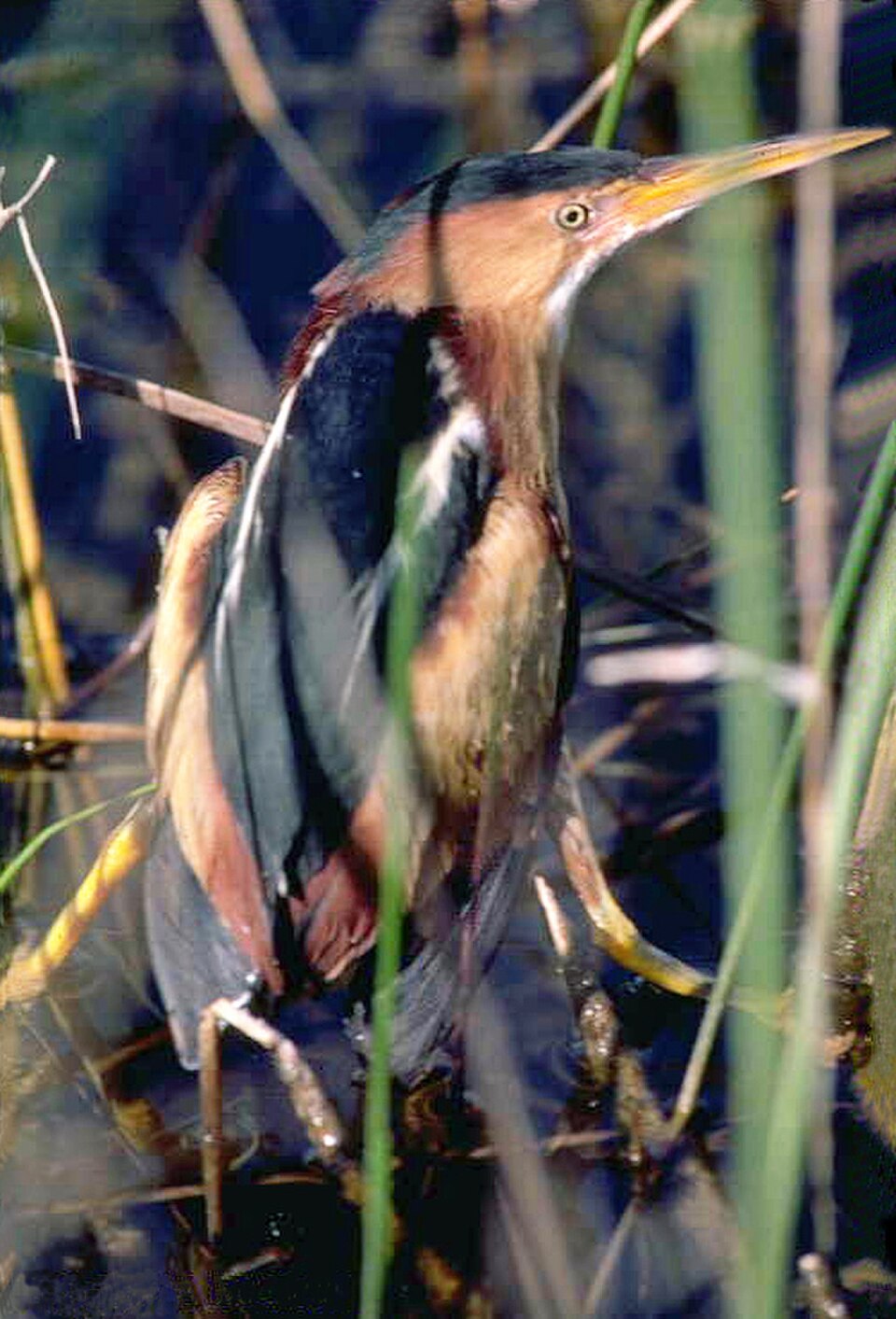 Least Bittern
In breve
Il segno di campo più affidabile per separare l'American Bittern dal Least Bittern è la dimensione: l'American Bittern è un grande e robusto airone, mentre il Least Bittern è piccolo e snodato, appena la metà della lunghezza e una frazione del peso. In volo o posato, l'American Bittern mostra un piumaggio pesantemente striato, marrone e beige, con una corporatura robusta, mentre il Least Bittern è molto più delicato, con un motivo contrastante di parti inferiori bianche e parti superiori scure, e un becco visibilmente più piccolo e sottile. Entrambe le specie possono congelare con i loro becchi puntati verso l'alto, mimetizzandosi nella vegetazione palustre, ma il Least Bittern spesso si posa tra le canne piuttosto che guadare. Se vedi un bittern che si appoggia su canne o si muove agilmente attraverso la vegetazione densa, è quasi certamente un Least Bittern.
Consigli di identificazione
- La dimensione è l'indizio più immediato: l'American Bittern è molto più grande e robusto; il Least Bittern è piccolo e snodato. Se vedi un uccello delle dimensioni di un airone, non è un Least Bittern.
- Struttura del becco: l'American Bittern ha un becco lungo, robusto e simile a un pugnale; il becco del Least Bittern è visibilmente più corto, più sottile e più delicato.
- Piumaggio sopra: l'American Bittern è marrone e beige con pesanti macchie nere e striature, specialmente sul mantello e sugli scapolari. I maschi di Least Bittern sono di un verde scuro lucido sopra (le femmine sono marroni lucidi), con linee bianche sulle spalle e copritrici delle ali di un marrone chiaro.
- Piumaggio sotto: l'American Bittern ha parti inferiori beige e ruggine con sottili striature nere, creando un effetto striato. Il Least Bittern ha parti inferiori bianche con striature marroni chiare, molto più pulite e contrastanti.
- Lati del collo: l'American Bittern mostra una macchia bluastro-nera sul lato del collo (più grande nei maschi), mentre i lati del collo del Least Bittern sono di un semplice marrone chiaro.
- Colore della corona: la corona dell'American Bittern è marrone castagna con centri neri; i maschi di Least Bittern hanno una corona scura lucida, le femmine sono marroni.
- Motivo facciale: l'American Bittern ha una superciliaria beige (sopracciglio) e una striscia mustacale su una guancia marrone; il viso del Least Bittern è marrone chiaro con occhi e becco gialli, privo di forti strisce facciali.
- Motivo delle ali in volo: il Least Bittern mostra copritrici delle ali marroni chiare in contrasto con le parti superiori scure e le parti inferiori bianche; le penne di volo dell'American Bittern sono marroni scure con punte beige o castagne ma mancano del forte contrasto del Least Bittern.
- Colore delle gambe e dei piedi: entrambe le specie hanno gambe giallo-verdi, ma questo non è un forte separatore.
- Comportamento: il Least Bittern spesso si posa o si appoggia su canne, a volte oscillando per mimare la vegetazione; l'American Bittern è più probabile che venga visto guadare o rimanere immobile in acque aperte.
- Uso dell'habitat: se vedi un bittern in canne dense sopra acque profonde, specialmente per posarsi o scalare, è probabile che sia un Least Bittern. In paludi più aperte o in piedi in acqua, l'American Bittern è più probabile.
- Voce: un profondo, rimbombante, richiamo simile a una pompa è diagnostico dell'American Bittern. I richiami del Least Bittern sono più silenziosi e meno distintivi.
- Tempistica stagionale: il Least Bittern arriva nei luoghi di nidificazione più tardi e parte prima dell'American Bittern, ma la sovrapposizione è estesa.
- Confusione giovanile: i giovani American Bittern sembrano adulti ma con meno oliva sul collo; i giovani Least Bittern non sono descritti in dettaglio ma probabilmente mostrano le stesse differenze di dimensione e struttura degli adulti.
- Quando hai dubbi: usa una combinazione di dimensione, struttura e modello generale—l'American Bittern è grande, striato e robusto; il Least Bittern è piccolo, contrastante e agile tra le canne.
Taglia
L'American Bittern è drammaticamente più grande: 58–85 cm (23–33 in) di lunghezza con un'apertura alare di 92–115 cm (36–45 in) e una massa di 370–1.072 g. Il Least Bittern è lungo solo 28–36 cm (11–14 in), con un'apertura alare di 41–46 cm (16–18 in) e una massa media di circa 80 g. Sul campo, l'American Bittern appare come un grande e robusto airone, mentre il Least Bittern è piccolo, circa delle dimensioni di un Airone verde o anche più piccolo, e può comprimere il suo corpo per scivolare tra le canne. Se vedi entrambi insieme, la differenza di dimensione è inconfondibile.
Piumaggio
Nessun modello di volo o di ala specifico per età è descritto per entrambe le specie che sia unico per i giovani o gli immaturi, ma il piumaggio complessivo è distintivo. L'American Bittern (adulto e giovane) è marrone e beige sopra, pesantemente macchiato e striato, con una corona castagna, centri neri delle piume e un effetto striato sulle parti inferiori. Il lato del collo ha una macchia bluastro-nera, più prominente nei maschi. I giovani sono simili ma con meno oliva sul collo. Il Least Bittern (maschio adulto) ha un verde scuro lucido sulla schiena e sulla corona, con linee bianche sulle spalle e marrone chiaro sul viso e sul collo; le femmine sono marroni lucide sopra. Entrambi i sessi hanno parti inferiori bianche con striature marroni chiare e mostrano copritrici delle ali marroni chiare in volo. Il contrasto tra le parti superiori scure e le parti inferiori bianche è molto più forte nel Least Bittern. Il becco e le gambe sono giallo-verdi nell'American Bittern e gialli nel Least Bittern; entrambi hanno occhi gialli.
Comportamento
Entrambe le specie sono elusive e si affidano alla mimetizzazione, spesso congelando con i loro becchi puntati verso il cielo. L'American Bittern tipicamente si muove furtivamente o rimane immobile in acque poco profonde, mimetizzandosi tra le canne e le giunchiglie. Il Least Bittern, a causa delle sue piccole dimensioni, spesso si posa o si appoggia su canne sopra acque più profonde, muovendosi agilmente attraverso la vegetazione densa. Il Least Bittern è più probabile che venga visto arrampicarsi tra i fusti piuttosto che guadare. Quando è allarmato, il Least Bittern può oscillare per mimare le canne mosse dal vento.
Habitat
Entrambe le specie occupano paludi con vegetazione densa, spesso negli stessi ambienti umidi. L'American Bittern preferisce paludi più grandi e aperte con ampie distese di canne o giunchiglie, ed è più probabile trovarlo nel nord e nel centro degli Stati Uniti e in Canada durante la nidificazione. Il Least Bittern favorisce i margini densi e canneti e può sfruttare tratti più stretti di vegetazione, arrivando spesso nei luoghi di nidificazione più tardi e partendo prima dell'American Bittern. La capacità del Least Bittern di posarsi tra le canne gli consente di utilizzare habitat che sono troppo profondi per lo stile di guado dell'American Bittern.
Voce
L'American Bittern è famoso per il suo forte e rimbombante richiamo, spesso descritto come 'oong, kach, oonk,' che si sente a lunghe distanze ed è solitamente udito al crepuscolo o di notte. Il Least Bittern è più spesso udito che visto, ma i suoi richiami non sono descritti in dettaglio nelle fonti fornite; sono generalmente più silenziosi e meno risonanti rispetto a quelli dell'American Bittern. Se senti un profondo e rimbombante boato, è l'American Bittern.