

Alström's Warbler vs Gray-hooded Warbler
Phylloscopus soror contro Phylloscopus xanthoschistos
Fai un quiz con Alström's Warbler e Gray-hooded Warbler
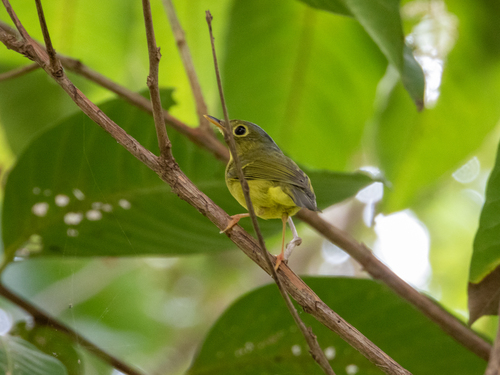 Alström's Warbler
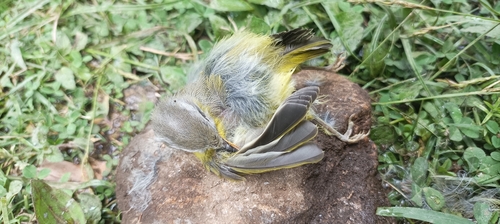 Gray-hooded Warbler
In breve
Il modo più affidabile per separare Alström's Warbler da Gray-hooded Warbler è concentrarsi sulla struttura del becco e della coda, così come sul modello delle piume esterne della coda. Alström's Warbler ha un becco visibilmente più grande, una coda più corta e una linea bianca più distintiva sulle piume esterne della coda—specialmente visibile in volo o quando la coda è aperta. Entrambe le specie sono luì verdastri con parti inferiori giallastre, ma Alström's ha una corona grigio-nera e un anello oculare giallo, mentre Gray-hooded Warbler è meglio conosciuto per il suo cappuccio grigio uniforme. I modelli delle ali o delle ali superiori specifici per età non sono descritti per nessuna delle due specie, quindi la struttura e i dettagli del piumaggio sono fondamentali. Le aree sovrapposte nella stagione non riproduttiva e la colorazione complessiva simile possono rendere difficile separare queste due specie, ma un'attenta attenzione a queste caratteristiche aiuterà.
Consigli di identificazione
- Dimensione del becco: Alström's Warbler ha un becco visibilmente più grande rispetto a Gray-hooded Warbler. Usa questo in visioni ravvicinate; fai attenzione che la dimensione del becco può essere difficile da giudicare a distanza o in scarsa luce.
- Lunghezza e forma della coda: Alström's ha una coda più corta rispetto a Gray-hooded Warbler. Cerca questo specialmente quando gli uccelli sono appollaiati o muovono le loro code.
- Modello delle piume esterne della coda: Alström's Warbler mostra una linea bianca distintiva sulle piume esterne della coda, meglio vista quando la coda è aperta o in volo. Questo segno è più pronunciato rispetto a uccelli simili ed è un punto chiave di separazione.
- Modello della corona e della testa: Alström's ha una corona grigio-nera che sfuma sulla fronte, mentre Gray-hooded Warbler ha un cappuccio grigio uniforme. L'aspetto cappucciato di Gray-hooded Warbler è un forte segno sul campo.
- Anello oculare: Alström's Warbler ha un anello oculare giallo distintivo, a volte sfumando sopra l'occhio. Questo è assente o molto meno evidente in Gray-hooded Warbler.
- Colore delle parti inferiori: Entrambe le specie hanno parti inferiori giallastre o verdastre, ma Alström's è descritto come un giallo-verde più vibrante. Questo è sottile e non sempre affidabile.
- Modello della schiena e delle ali: Alström's mostra una corona grigia con strisce nere sulle ali e sulla schiena, mentre Gray-hooded Warbler manca di queste strisce contrastanti.
- Sesso e età: Non sono descritti forti dimorfismi sessuali o segni specifici per età per nessuna delle due specie, quindi tutte le età e i sessi dovrebbero essere separati utilizzando i segni sopra.
- Visioni in volo: In volo, concentrati sulla linea bianca delle piume esterne della coda e sulla struttura complessiva (proporzioni di becco e coda) per Alström's Warbler.
- Visioni da appollaiato: Usa il cappuccio grigio (Gray-hooded) contro la corona grigio-nera e l'anello oculare giallo (Alström's) come i tuoi principali indizi.
- Habitat e distribuzione: Entrambi possono verificarsi in habitat simili, specialmente nella stagione non riproduttiva, quindi non fare affidamento solo sulla posizione per la separazione.
- Trappole: Le aree sovrapposte e le parti inferiori verdi/gialle simili possono portare a confusione. Conferma sempre con più segni—non fare affidamento su una singola caratteristica.
- Voce: Non sono descritte vocalizzazioni distintive in queste note, quindi non usare canto o richiamo per la separazione qui.
- Stagione: Entrambe le specie possono verificarsi insieme nella stagione non riproduttiva nel sud-est asiatico, ma Alström's si riproduce solo in Cina. Fuori dalla stagione di riproduzione, è necessaria maggiore cautela.
- Quando hai dubbi: Se la struttura e il modello della coda sono ambigui, prova a ottenere più angolazioni e cerca la combinazione di dimensione del becco, lunghezza della coda e modello della testa per confermare l'identificazione.
Taglia
Alström's Warbler è leggermente più grande nel complesso, misurando 11–12 cm, con le femmine che sono un po' più piccole dei maschi. Il suo becco è proporzionalmente più grande e la sua coda è più corta rispetto a Gray-hooded Warbler. Non sono disponibili dati di dimensioni precisi per Gray-hooded Warbler in queste note, ma il contrasto nella struttura del becco e della coda è enfatizzato come un segno sul campo.
Piumaggio
Nessuna delle due specie è descritta come avente modelli distintivi delle ali superiori giovanili o immature, quindi i segni di volo specifici per età non sono disponibili. Per tutte le età, Alström's Warbler mostra una corona grigio-nera che sfuma sulla fronte, verde attorno agli occhi e un ventre giallo-verde vibrante. Le sue ali e la schiena sono coronate di grigio con strisce nere, e ha un anello oculare giallo distintivo (a volte sfumando sopra l'occhio). Le piume esterne della coda hanno una chiara linea bianca, che è più pronunciata rispetto a uccelli simili. Gray-hooded Warbler, al contrario, è noto per il suo cappuccio grigio uniforme, che non è presente in Alström's. Entrambe le specie hanno parti inferiori verdastre/giallastre, ma il cappuccio grigio di Gray-hooded Warbler e l'anello oculare giallo e il modello della corona di Alström's sono utili per la separazione.
Habitat
Alström's Warbler si riproduce solo in Cina e sverna nel sud-est asiatico (Thailandia, Laos, Cambogia, Vietnam), principalmente in foreste temperate. La sua distribuzione nella stagione non riproduttiva è poco conosciuta e si sovrappone a specie simili, rendendo difficile l'identificazione sul campo al di fuori dell'area di riproduzione. L'habitat di Gray-hooded Warbler non è dettagliato in queste note, ma entrambe sono warbler delle foglie della famiglia Phylloscopidae e probabilmente si verificano in habitat forestali simili. L'habitat da solo non è diagnostico tra questi due.
Alström's Warbler · Gray-hooded Warbler · I miei uccelli difficili