

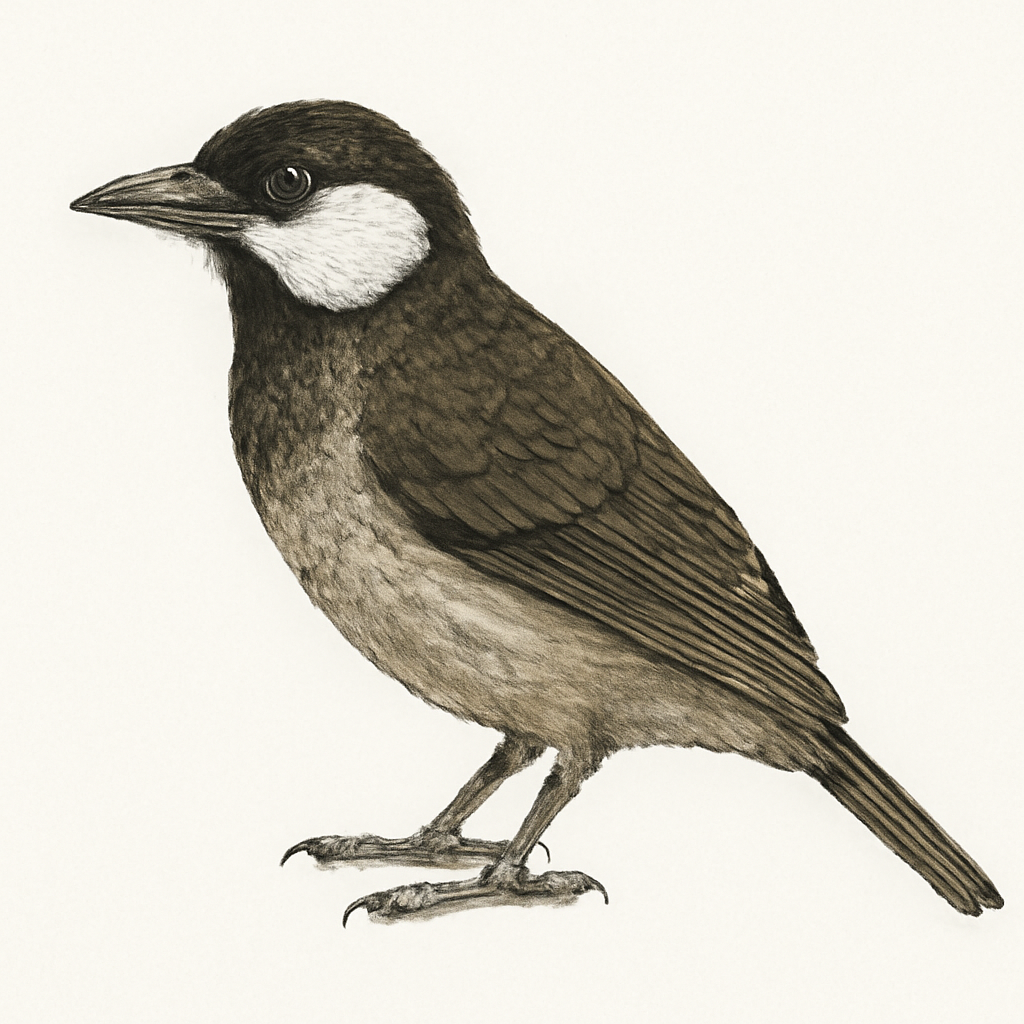
Fai un quiz con White-eared Barbet e specie simili
Vedi tutte le foto, i video e i suoni
Revisione necessaria
Motmot è un progetto della community, e molte foto aspettano ancora un controllo umano. Se conosci questo uccello, puoi aiutare rivedendo le immagini.
O-o, i crediti IA sono finiti. Sviluppo Motmot nel tempo libero, e al momento non c’è finanziamento. Se vuoi aiutare a farlo crescere, scrivimi a info@motmot.club.
Come riconoscere White-eared Barbet
Sto scrivendo le note di identificazione…
Cerca note di identificazione in fonti aperte, poi chiede al modello di scriverle. Può richiedere un minuto.
Accedi per generare note di identificazione per questo uccello.
Spesso confuso con
Nei quiz i giocatori confondono più spesso White-eared Barbet con questi uccelli: o questa specie è stata scelta per errore, o il contrario.
| Specie | Confusioni |
|---|---|
| Yellow-rumped Tinkerbird Pogoniulus bilineatus | 3 |
| Crested Barbet Trachyphonus vaillantii | 2 |
| Red-billed Duck Anas erythrorhyncha | 1 |
| African Broadbill Smithornis capensis | 1 |
| Flappet Lark Amirafra rufocinnamomea | 1 |
Famiglia
Lybiidae is a family of birds also known as the African barbets. There are 44 species ranging from the type genus Lybius of forest interior to the tinkerbirds (Pogoniulus) of forest and scrubland. They are found throughout sub-Saharan Africa, with the exception of the far south-west of South Africa.
Ordine
Nine families of largely arboreal birds make up the order Piciformes (), the best-known of them being the Picidae, which includes the woodpeckers and close relatives. The Piciformes contain about 71 living genera with a little over 450 species, of which the Picidae make up about half. In general, the Piciformes are insectivorous, although the barbets and toucans mostly eat fruit and the honeyguides are unique among birds in being able to digest beeswax (although insects make up the bulk …