

South Island Wren
Xenicus gilviventris
New Zealand Wrens (Acanthisittidae) · Passeriformes · Trogloditi della Nuova Zelanda
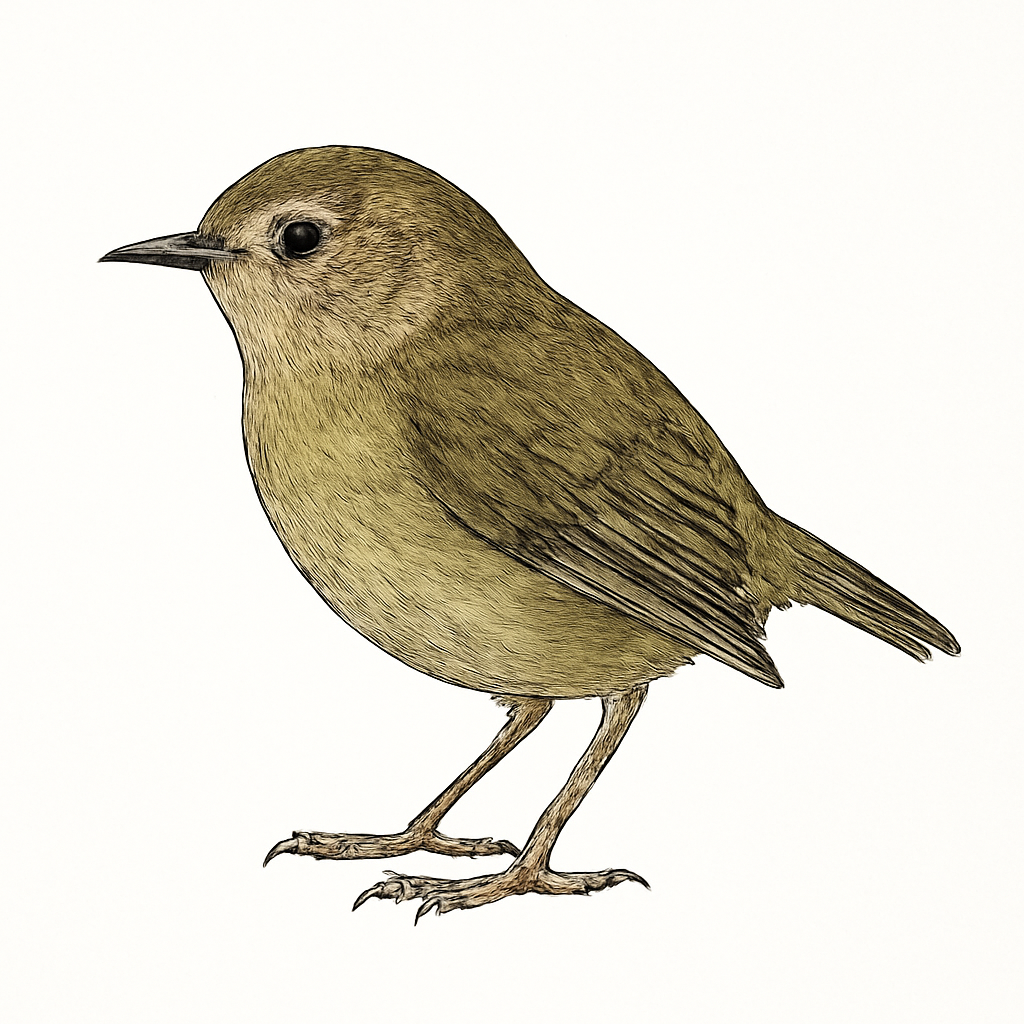
Fai un quiz con South Island Wren e specie simili
Vedi tutte le foto, i video e i suoni
Revisione necessaria
Motmot è un progetto della community, e molte foto aspettano ancora un controllo umano. Se conosci questo uccello, puoi aiutare rivedendo le immagini.
O-o, i crediti IA sono finiti. Sviluppo Motmot nel tempo libero, e al momento non c’è finanziamento. Se vuoi aiutare a farlo crescere, scrivimi a info@motmot.club.
Come riconoscere South Island Wren
Sto scrivendo le note di identificazione…
Cerca note di identificazione in fonti aperte, poi chiede al modello di scriverle. Può richiedere un minuto.
Accedi per generare note di identificazione per questo uccello.
Spesso confuso con
Nei quiz i giocatori confondono più spesso South Island Wren con questi uccelli: o questa specie è stata scelta per errore, o il contrario.
| Specie | Confusioni |
|---|---|
| Bush Wren Xenicus longipes | 3 |
| Rifleman Acanthisitta chloris | 2 |
| Tui Prosthemadera novaeseelandiae | 1 |
| New Zealand Bellbird Anthornis melanura | 1 |
| Black Robin Petroica traversi | 1 |
Famiglia
The New Zealand wrens are a family (Acanthisittidae) of tiny passerines endemic to New Zealand. They were represented by seven Holocene species in four or five genera, although only two species in two genera survive today. They are understood to form a distinct lineage within the passerines, but authorities differ on their assignment to the oscines or suboscines (the two suborders that between them make up the Passeriformes).
Ordine
A passerine () is any bird of the order Passeriformes (; from Latin passer 'sparrow' and formis '-shaped'), which includes more than half of all bird species. Sometimes known as perching birds, passerines generally have an anisodactyl arrangement of their toes (three pointing forward and one back), which facilitates perching. With more than 140 families and some 6,500 identified species, Passeriformes is the largest order of birds and one of the most diverse clades of terrestrial vertebrates, representing 60% of …