

Little Cormorant
Microcarbo niger
Cormorants and Shags (Phalacrocoracidae) · Suliformes · Cormorani e Anhinga
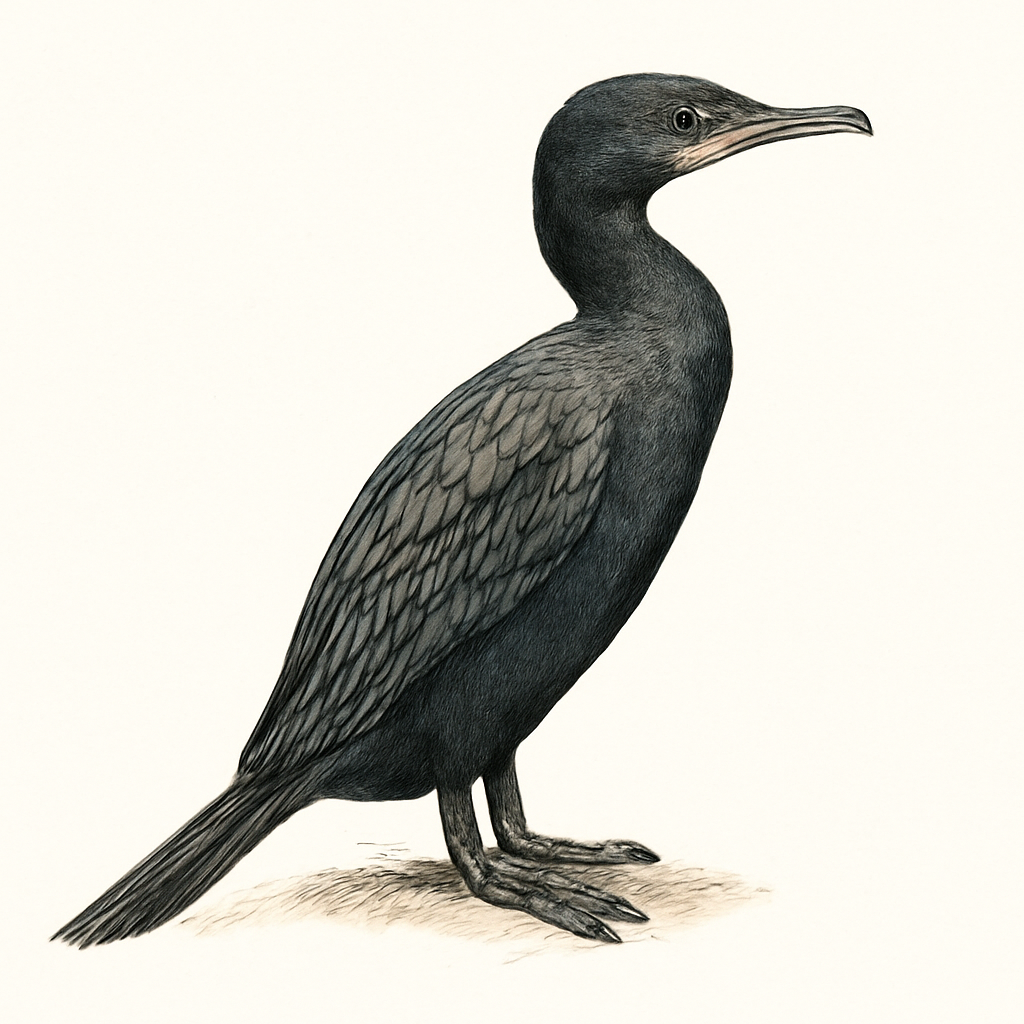
Fai un quiz con Little Cormorant e specie simili
Vedi tutte le foto, i video e i suoni
Revisione necessaria
Motmot è un progetto della community, e molte foto aspettano ancora un controllo umano. Se conosci questo uccello, puoi aiutare rivedendo le immagini.
O-o, i crediti IA sono finiti. Sviluppo Motmot nel tempo libero, e al momento non c’è finanziamento. Se vuoi aiutare a farlo crescere, scrivimi a info@motmot.club.
Come riconoscere Little Cormorant
Sto scrivendo le note di identificazione…
Cerca note di identificazione in fonti aperte, poi chiede al modello di scriverle. Può richiedere un minuto.
Accedi per generare note di identificazione per questo uccello.
Spesso confuso con
Nei quiz i giocatori confondono più spesso Little Cormorant con questi uccelli: o questa specie è stata scelta per errore, o il contrario.
| Specie | Confusioni |
|---|---|
| Indian Cormorant Phalacrocorax fuscicollis | 4 |
| Canapiglia Mareca strepera | 1 |
| Gray Francolin Ortygornis pondicerianus | 1 |
| Cavaliere d'Italia Himantopus himantopus | 1 |
| Lesser Frigatebird Fregata ariel | 1 |
Famiglia
Phalacrocoracidae is a family of approximately 40 species of aquatic birds found worldwide and commonly known as cormorants and shags. Several different classifications of the family have been proposed, but in 2021 the International Ornithologists' Union (IOU) adopted a consensus taxonomy of seven genera. The great cormorant (Phalacrocorax carbo) and the common shag (Gulosus aristotelis) are the only two species of the family commonly encountered in Britain and Ireland.
Ordine
The order Suliformes (, dubbed "Phalacrocoraciformes" by Christidis & Boles 2008) is an order of birds that includes gannets, boobies, frigatebirds, cormorants and darters. The order is recognised by the International Ornithologist's Union. Regarding the recent evidence that the traditional Pelecaniformes is polyphyletic, it has been suggested that the group be divided to reflect the true evolutionary relationships; a 2017 study indicated that they are most closely related to Otidiformes (bustards) and Ciconiiformes (storks).