

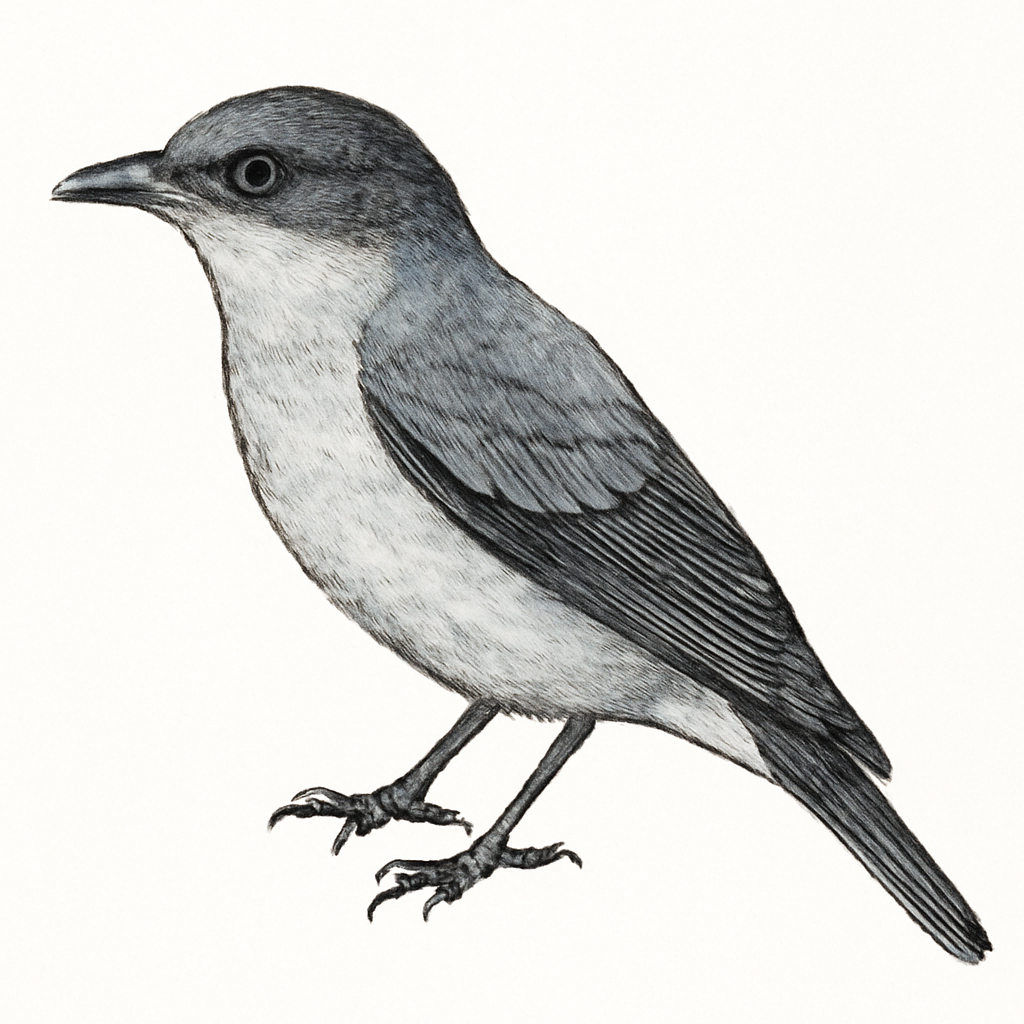
Fai un quiz con Indochinese Cuckooshrike e specie simili
Vedi tutte le foto, i video e i suoni
Revisione necessaria
Motmot è un progetto della community, e molte foto aspettano ancora un controllo umano. Se conosci questo uccello, puoi aiutare rivedendo le immagini.
O-o, i crediti IA sono finiti. Sviluppo Motmot nel tempo libero, e al momento non c’è finanziamento. Se vuoi aiutare a farlo crescere, scrivimi a info@motmot.club.
Come riconoscere Indochinese Cuckooshrike
Sto scrivendo le note di identificazione…
Cerca note di identificazione in fonti aperte, poi chiede al modello di scriverle. Può richiedere un minuto.
Accedi per generare note di identificazione per questo uccello.
Spesso confuso con
Nei quiz i giocatori confondono più spesso Indochinese Cuckooshrike con questi uccelli: o questa specie è stata scelta per errore, o il contrario.
| Specie | Confusioni |
|---|---|
| Black-winged Cuckooshrike Lalage melaschistos | 3 |
| Pygmy Cuckooshrike Celebesica abbotti | 1 |
| White-browed Shrike-Babbler Pteruthius aeralatus | 1 |
| Manipur Fulvetta Fulvetta manipurensis | 1 |
| Wayanad Laughingthrush Pterorhinus delesserti | 1 |
Famiglia
The cuckooshrikes and allies in the family Campephagidae are small to medium-sized passerine bird species found in the subtropical and tropical Africa, Asia and Australasia. The 107 species are divided into 11 genera. The woodshrikes (Tephrodornis) were often considered to be in this family but are now placed in their own family, Vangidae, along with the philentomas and the flycatcher-shrikes.
Ordine
A passerine () is any bird of the order Passeriformes (; from Latin passer 'sparrow' and formis '-shaped'), which includes more than half of all bird species. Sometimes known as perching birds, passerines generally have an anisodactyl arrangement of their toes (three pointing forward and one back), which facilitates perching. With more than 140 families and some 6,500 identified species, Passeriformes is the largest order of birds and one of the most diverse clades of terrestrial vertebrates, representing 60% of …