

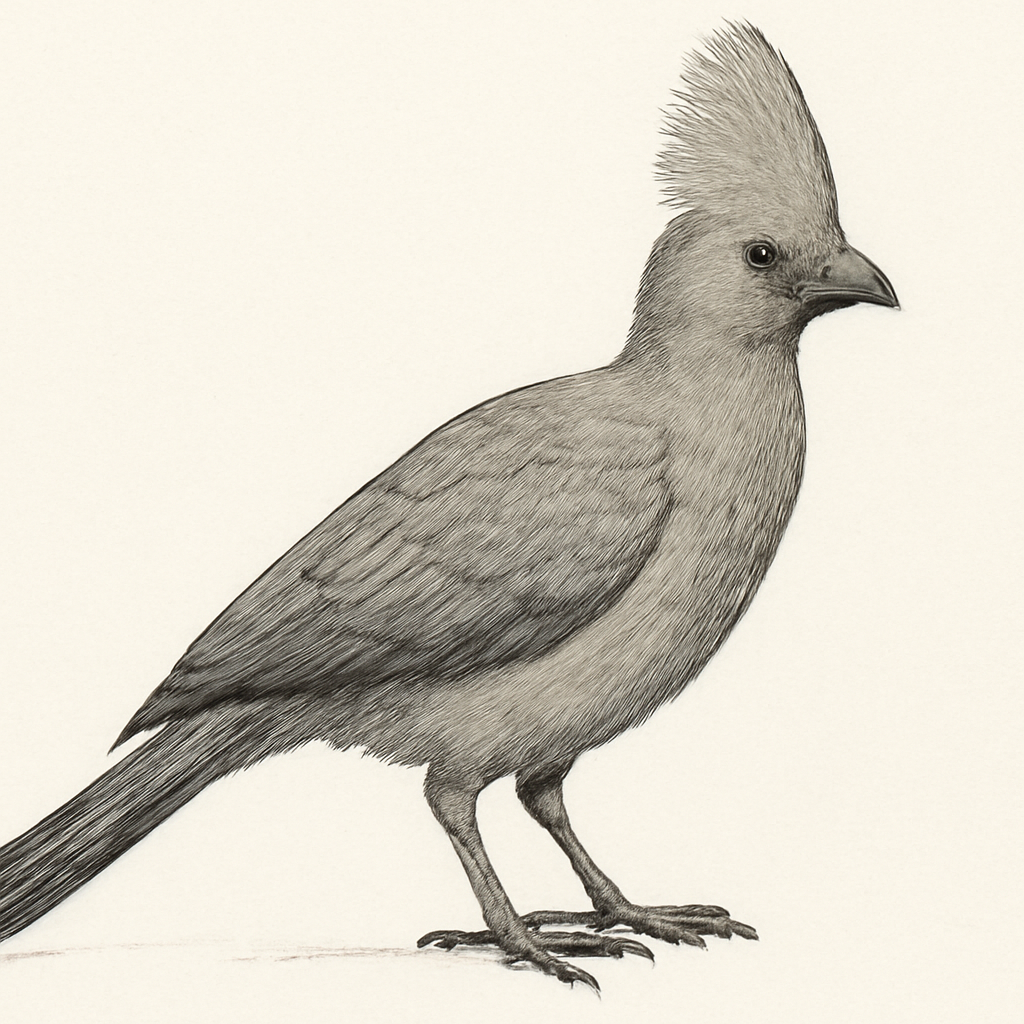
Fai un quiz con Gray Go-away-bird e specie simili
Vedi tutte le foto, i video e i suoni
Revisione necessaria
Motmot è un progetto della community, e molte foto aspettano ancora un controllo umano. Se conosci questo uccello, puoi aiutare rivedendo le immagini.
O-o, i crediti IA sono finiti. Sviluppo Motmot nel tempo libero, e al momento non c’è finanziamento. Se vuoi aiutare a farlo crescere, scrivimi a info@motmot.club.
Come riconoscere Gray Go-away-bird
Sto scrivendo le note di identificazione…
Cerca note di identificazione in fonti aperte, poi chiede al modello di scriverle. Può richiedere un minuto.
Accedi per generare note di identificazione per questo uccello.
Spesso confuso con
Nei quiz i giocatori confondono più spesso Gray Go-away-bird con questi uccelli: o questa specie è stata scelta per errore, o il contrario.
| Specie | Confusioni |
|---|---|
| Livingstone's Turaco Tauraco livingstonii | 1 |
| Schalow's Turaco Tauraco schalowi | 1 |
| Knysna Turaco Tauraco corythaix | 1 |
| Purple-crested Turaco Gallirex porphyreolophus | 1 |
| Rondone comune Apus apus | 1 |
Famiglia
The turacos make up the bird family Musophagidae ( "banana-eaters"), which includes plantain-eaters and go-away-birds. In southern Africa both turacos and go-away-birds are commonly known as loeries. They are semi-zygodactylous: the fourth (outer) toe can be switched back and forth.
Ordine
The turacos make up the bird family Musophagidae ( "banana-eaters"), which includes plantain-eaters and go-away-birds. In southern Africa both turacos and go-away-birds are commonly known as loeries. They are semi-zygodactylous: the fourth (outer) toe can be switched back and forth.