

Brown-backed Honeybird
Prodotiscus regulus
Honeyguides (Indicatoridae) · Piciformes · Guida al miele
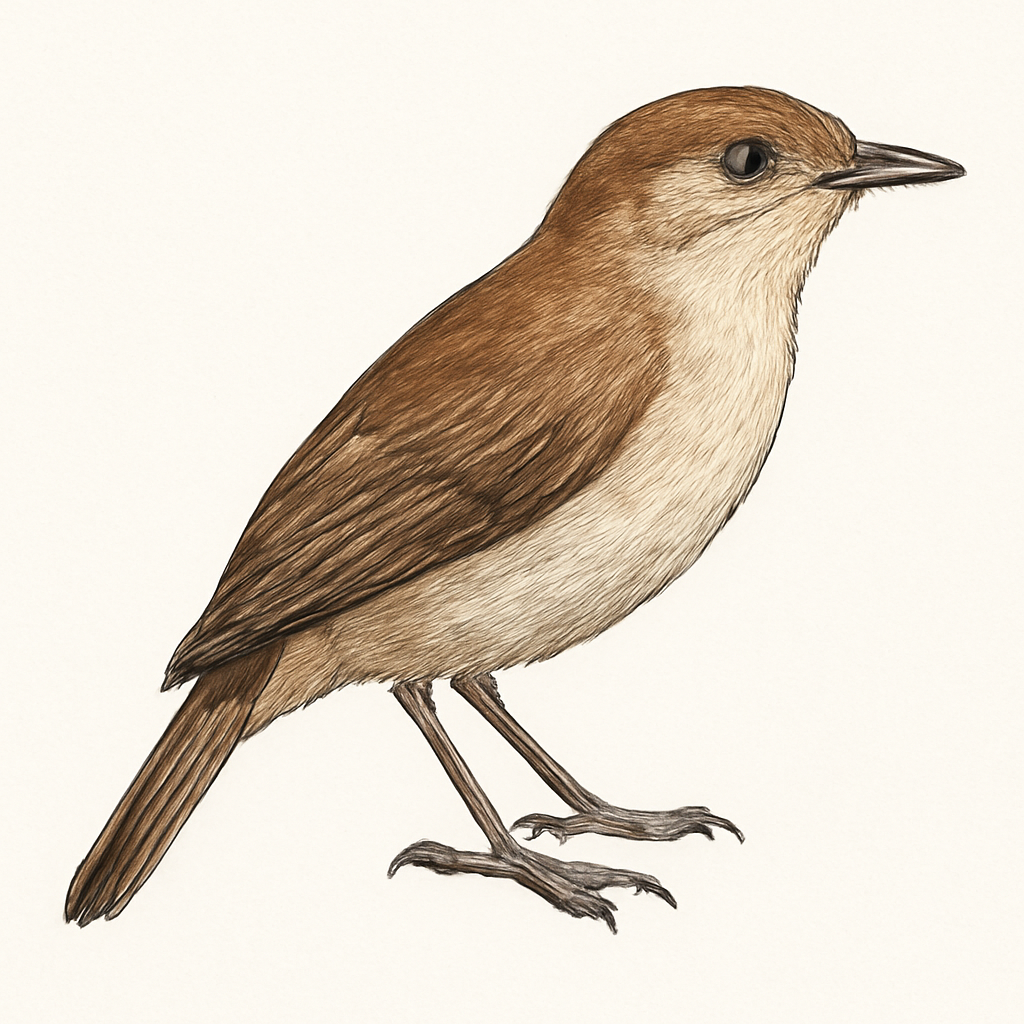
Fai un quiz con Brown-backed Honeybird e specie simili
Vedi tutte le foto, i video e i suoni
Revisione necessaria
Motmot è un progetto della community, e molte foto aspettano ancora un controllo umano. Se conosci questo uccello, puoi aiutare rivedendo le immagini.
O-o, i crediti IA sono finiti. Sviluppo Motmot nel tempo libero, e al momento non c’è finanziamento. Se vuoi aiutare a farlo crescere, scrivimi a info@motmot.club.
Come riconoscere Brown-backed Honeybird
Sto scrivendo le note di identificazione…
Cerca note di identificazione in fonti aperte, poi chiede al modello di scriverle. Può richiedere un minuto.
Accedi per generare note di identificazione per questo uccello.
Spesso confuso con
Nei quiz i giocatori confondono più spesso Brown-backed Honeybird con questi uccelli: o questa specie è stata scelta per errore, o il contrario.
| Specie | Confusioni |
|---|---|
| Green-backed Honeybird Prodotiscus zambesiae | 3 |
| Lesser Honeyguide Indicator minor | 2 |
| Scaly-throated Honeyguide Indicator variegatus | 2 |
| Greater Honeyguide Indicator indicator | 2 |
| African Finfoot Podica senegalensis | 1 |
Famiglia
Honeyguides (family Indicatoridae) are a family of 16 species of birds in the order Piciformes. They are also known as indicator birds, or honey birds, although the latter term is also used more narrowly to refer to species of the genus Prodotiscus. They have an Old World tropical distribution, with the greatest number of species in Africa and two in Asia.
Ordine
Nine families of largely arboreal birds make up the order Piciformes (), the best-known of them being the Picidae, which includes the woodpeckers and close relatives. The Piciformes contain about 71 living genera with a little over 450 species, of which the Picidae make up about half. In general, the Piciformes are insectivorous, although the barbets and toucans mostly eat fruit and the honeyguides are unique among birds in being able to digest beeswax (although insects make up the bulk …