

Motmot

Pluvier fauve vs Océanite téthys

Pluvialis fulva contre Hydrobates tethys

Faire un quiz avec Pluvier fauve et Océanite téthys

Pluvier fauve (Pluvialis fulva) Pluvier fauve
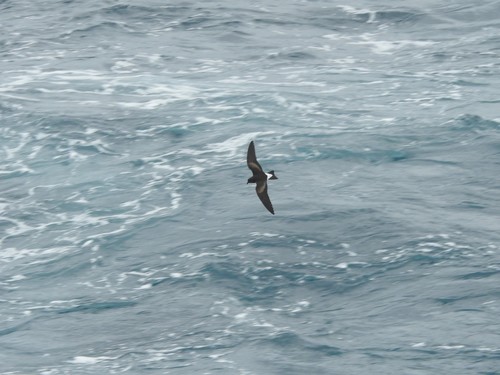
Océanite téthys (Hydrobates tethys) Océanite téthys

Médias

Chargement…

En bref

The most reliable way to separate Pacific Golden Plover from Wedge-rumped Storm-Petrel is by overall structure and flight style: plovers are robust, long-legged shorebirds often seen walking or standing upright on land, while storm-petrels are small, delicate seabirds with fluttering, buoyant flight, rarely seen away from open water. In any plumage, the plover shows a compact, upright shape with a short bill and long legs, while the storm-petrel is slim, with long, narrow wings and a distinctive wedge-shaped white rump in flight. If you see a bird with gold-spotted upperparts and a black face or breast (in breeding season), it is a Pacific Golden Plover; a dark seabird with a white wedge on the rump is the storm-petrel. These two species are so different in structure, habitat, and behavior that confusion is most likely with distant or brief views, especially of flying birds.

Conseils d’identification

  1. Habitat is the first check: If the bird is on land, especially in open fields, parks, or tundra, it is a Pacific Golden Plover. If it is over the open ocean, especially far from shore, it is a Wedge-rumped Storm-Petrel.
  2. Flight style: Plovers have strong, direct flight with steady wingbeats, often flying in short bursts between feeding areas. Storm-petrels have fluttery, buoyant, erratic flight, often skimming and pattering on the water surface.
  3. Leg length and posture: Pacific Golden Plovers have long, visible legs and stand upright, often pausing to scan their surroundings. Storm-petrels have very short legs, rarely seen except when pattering on the water, and never stand upright on land in the open.
  4. Bill shape: Plovers have a short, straight, stout bill suited for picking prey from the ground. Storm-petrels have a tiny, slender, tubular bill adapted for feeding on plankton at sea.
  5. Plumage (breeding adult): Male Pacific Golden Plovers in breeding plumage are gold-spotted above with a black face, neck, and breast bordered by white. Females are similar but with less extensive black. Storm-petrels are never gold-spotted or black-and-white; they are dark with a white rump.
  6. Plumage (nonbreeding/juvenile): Nonbreeding plovers are mottled brown, gray, and yellowish above with pale underparts—never solidly dark. Juveniles are gold-spotted above. Storm-petrels remain dark above and below with a white rump in all plumages.
  7. White rump: Only the storm-petrel has a bold, wedge-shaped white rump patch, visible in flight from above and behind. Plovers have a dark rump in all plumages.
  8. Size and shape: Plovers are medium-sized, robust, and upright; storm-petrels are much smaller, slim, and delicate with long, narrow wings.
  9. Context of observation: If seen in a flock with other shorebirds, especially on land, it is a plover. If seen with other seabirds (shearwaters, boobies, etc.) over the ocean, it is a storm-petrel.
  10. Behavior on the ground: Plovers walk or run on the ground, often stopping abruptly. Storm-petrels are almost never seen on land except at remote breeding colonies.
  11. Leg color: Plovers have gray to black legs; storm-petrel legs are rarely visible in the field.
  12. Underparts: Plovers in breeding plumage have black underparts; in nonbreeding, pale. Storm-petrels are dark below, lacking any gold or pale spotting.
  13. Chick/juvenile appearance: Plovers' chicks and juveniles are gold-spotted above; storm-petrel chicks are not described but would not show gold spotting.
  14. Vocalizations: Not described in these notes, but in practice, storm-petrels are mostly silent at sea; plovers may give soft whistles or calls, especially in flight.
  15. Pitfalls: Distant, fast-flying birds over water can be confusing, but look for the white rump (storm-petrel) versus gold spotting or upright posture (plover).

Taille

Pacific Golden Plover is a medium-sized shorebird, weighing about 135 g and measuring roughly 25 cm in length with a 61 cm wingspan [wikidata, wikipedia]. Wedge-rumped Storm-Petrel is much smaller and lighter (exact mass not given, but all storm-petrels are notably diminutive compared to plovers), with a much more delicate build and shorter overall length. In the field, the plover appears sturdy and upright, while the storm-petrel looks slight and buoyant.

Plumage

No age-specific upperwing or flight pattern marks are described for either species in these notes. Adult Pacific Golden Plovers in breeding plumage are strikingly gold-spotted on the back, with a black face, breast, and belly bordered by white; females are similar but with less extensive black. In nonbreeding plumage, both sexes are mottled brown, gray, and yellowish above with pale underparts. Juveniles and chicks are also gold-spotted above. Wedge-rumped Storm-Petrels are uniformly dark above and below except for a conspicuous white wedge-shaped rump patch, visible in all plumages and ages. The storm-petrel lacks any gold, yellow, or spotted patterning. Thus, any gold or yellow spotting, or a black-and-white face/breast pattern, points to plover; a dark bird with a white rump seen in flight is the storm-petrel.

Comportement

Pacific Golden Plovers are typically seen walking or running on the ground, often pausing upright and alert, and may be found singly or in small groups on open ground. They feed mostly by sight, picking at prey on the surface. In flight, they are strong and direct. Wedge-rumped Storm-Petrels are almost always seen in flight over the ocean, fluttering low over the water with buoyant, erratic wingbeats, often pattering their feet on the surface. They are rarely seen on land except at breeding colonies, and never show the upright, terrestrial behavior of plovers.

Habitat

Pacific Golden Plovers are found in open terrestrial habitats: Arctic tundra in the breeding season, and in migration and winter on grasslands, fields, parks, golf courses, and similar open areas, often far from water. Wedge-rumped Storm-Petrels are strictly pelagic outside the breeding season, seen over the open ocean, and breed on islands and coastal cliffs. If you are on land away from the sea, you are almost certainly looking at a plover; if you are far offshore, a storm-petrel is vastly more likely.

Envoyer une meilleure description

Utilise les mêmes sections que la comparaison. Ton texte est publié tout de suite.

The most reliable way to separate Pacific Golden Plover from Wedge-rumped Storm-Petrel is by overall structure and flight style: plovers are robust, long-legged shorebirds often seen walking or standing upright on land, while storm-petrels are small, delicate seabirds with fluttering, buoyant flight, rarely seen away from open water. In any plumage, the plover shows a compact, upright shape with a short bill and long legs, while the storm-petrel is slim, with long, narrow wings and a distinctive wedge-shaped white rump in flight. If you see a bird with gold-spotted upperparts and a black face or breast (in breeding season), it is a Pacific Golden Plover; a dark seabird with a white wedge on the rump is the storm-petrel. These two species are so different in structure, habitat, and behavior that confusion is most likely with distant or brief views, especially of flying birds.

  1. Habitat is the first check: If the bird is on land, especially in open fields, parks, or tundra, it is a Pacific Golden Plover. If it is over the open ocean, especially far from shore, it is a Wedge-rumped Storm-Petrel.
  2. Flight style: Plovers have strong, direct flight with steady wingbeats, often flying in short bursts between feeding areas. Storm-petrels have fluttery, buoyant, erratic flight, often skimming and pattering on the water surface.
  3. Leg length and posture: Pacific Golden Plovers have long, visible legs and stand upright, often pausing to scan their surroundings. Storm-petrels have very short legs, rarely seen except when pattering on the water, and never stand upright on land in the open.
  4. Bill shape: Plovers have a short, straight, stout bill suited for picking prey from the ground. Storm-petrels have a tiny, slender, tubular bill adapted for feeding on plankton at sea.
  5. Plumage (breeding adult): Male Pacific Golden Plovers in breeding plumage are gold-spotted above with a black face, neck, and breast bordered by white. Females are similar but with less extensive black. Storm-petrels are never gold-spotted or black-and-white; they are dark with a white rump.
  6. Plumage (nonbreeding/juvenile): Nonbreeding plovers are mottled brown, gray, and yellowish above with pale underparts—never solidly dark. Juveniles are gold-spotted above. Storm-petrels remain dark above and below with a white rump in all plumages.
  7. White rump: Only the storm-petrel has a bold, wedge-shaped white rump patch, visible in flight from above and behind. Plovers have a dark rump in all plumages.
  8. Size and shape: Plovers are medium-sized, robust, and upright; storm-petrels are much smaller, slim, and delicate with long, narrow wings.
  9. Context of observation: If seen in a flock with other shorebirds, especially on land, it is a plover. If seen with other seabirds (shearwaters, boobies, etc.) over the ocean, it is a storm-petrel.
  10. Behavior on the ground: Plovers walk or run on the ground, often stopping abruptly. Storm-petrels are almost never seen on land except at remote breeding colonies.
  11. Leg color: Plovers have gray to black legs; storm-petrel legs are rarely visible in the field.
  12. Underparts: Plovers in breeding plumage have black underparts; in nonbreeding, pale. Storm-petrels are dark below, lacking any gold or pale spotting.
  13. Chick/juvenile appearance: Plovers' chicks and juveniles are gold-spotted above; storm-petrel chicks are not described but would not show gold spotting.
  14. Vocalizations: Not described in these notes, but in practice, storm-petrels are mostly silent at sea; plovers may give soft whistles or calls, especially in flight.
  15. Pitfalls: Distant, fast-flying birds over water can be confusing, but look for the white rump (storm-petrel) versus gold spotting or upright posture (plover).

Pacific Golden Plover is a medium-sized shorebird, weighing about 135 g and measuring roughly 25 cm in length with a 61 cm wingspan [wikidata, wikipedia]. Wedge-rumped Storm-Petrel is much smaller and lighter (exact mass not given, but all storm-petrels are notably diminutive compared to plovers), with a much more delicate build and shorter overall length. In the field, the plover appears sturdy and upright, while the storm-petrel looks slight and buoyant.

No age-specific upperwing or flight pattern marks are described for either species in these notes. Adult Pacific Golden Plovers in breeding plumage are strikingly gold-spotted on the back, with a black face, breast, and belly bordered by white; females are similar but with less extensive black. In nonbreeding plumage, both sexes are mottled brown, gray, and yellowish above with pale underparts. Juveniles and chicks are also gold-spotted above. Wedge-rumped Storm-Petrels are uniformly dark above and below except for a conspicuous white wedge-shaped rump patch, visible in all plumages and ages. The storm-petrel lacks any gold, yellow, or spotted patterning. Thus, any gold or yellow spotting, or a black-and-white face/breast pattern, points to plover; a dark bird with a white rump seen in flight is the storm-petrel.

Pacific Golden Plovers are typically seen walking or running on the ground, often pausing upright and alert, and may be found singly or in small groups on open ground. They feed mostly by sight, picking at prey on the surface. In flight, they are strong and direct. Wedge-rumped Storm-Petrels are almost always seen in flight over the ocean, fluttering low over the water with buoyant, erratic wingbeats, often pattering their feet on the surface. They are rarely seen on land except at breeding colonies, and never show the upright, terrestrial behavior of plovers.

Pacific Golden Plovers are found in open terrestrial habitats: Arctic tundra in the breeding season, and in migration and winter on grasslands, fields, parks, golf courses, and similar open areas, often far from water. Wedge-rumped Storm-Petrels are strictly pelagic outside the breeding season, seen over the open ocean, and breed on islands and coastal cliffs. If you are on land away from the sea, you are almost certainly looking at a plover; if you are far offshore, a storm-petrel is vastly more likely.

Abandonner tes modifications ?

Tu as des modifications non enregistrées. Si tu pars maintenant, elles seront perdues.

Pluvier fauve · Océanite téthys · Mes oiseaux difficiles