

Cuclillo Violeta vs Cuco Plañidero
Chrysococcyx xanthorhynchus frente a Cacomantis merulinus
Juega un quiz con Cuclillo Violeta y Cuco Plañidero
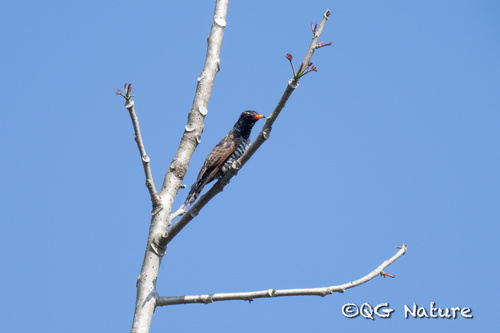 Cuclillo Violeta
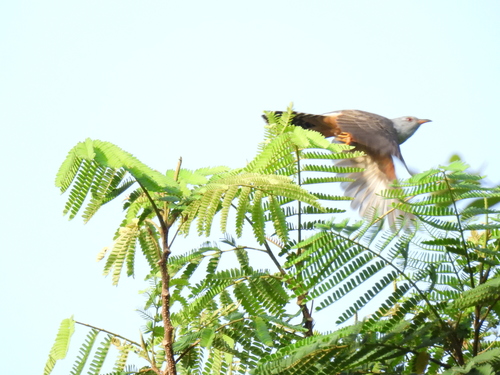 Cuco Plañidero
En breve
La marca de campo más confiable es el deslumbrante y iridiscente plumaje violeta y la garganta del macho adulto Cuclillo Violeta, que nunca son igualados por el Cuco Plañidero. Para las hembras y los juveniles, enfóquese en las fuertes bandas del Cuclillo Violeta y los tonos verde-bronce en comparación con el Cuco Plañidero, que tiene partes inferiores más uniformes de color rufo o marrón grisáceo y menos contraste. En vuelo o posado, el Cuclillo Violeta muestra una apariencia más corta y compacta, mientras que el Cuco Plañidero tiene una cola más larga y es más delgado. Los juveniles de Cuclillo Violeta tienen una mezcla llamativa de rufo, verde-bronce y partes superiores con bandas, mientras que los juveniles de Cuco Plañidero son más pálidos con coronas y gargantas estriadas, no con bandas. Ambas especies pueden ser secretivas, pero sus diferencias de estructura y plumaje son confiables en la mayoría de las vistas.
Consejos de identificación
- El macho adulto Cuclillo Violeta es inconfundible: Busque una cabeza, partes superiores y garganta violeta iridiscente y brillante, además de un anillo ocular rojo. El Cuco Plañidero nunca muestra este color.
- Partes superiores juveniles: Los juveniles de Cuclillo Violeta tienen una brillante corona rufo y una mezcla de bandas rufo y verde-bronce arriba, con una cola marrón y rufo con bandas. Los juveniles de Cuco Plañidero son más pálidos, con coronas y gargantas estriadas (no con bandas) y menos contraste en general.
- Morfología hepática femenina: Las hembras de Cuco Plañidero en morfología hepática son de color marrón rojizo arriba con bandas oscuras y un supercilio pálido. Las hembras de Cuclillo Violeta son de color verde-bronce arriba con una corona marrón oscura y marcas faciales blancas.
- Patrón de la cola: Los machos de Cuclillo Violeta tienen una cola negruzca con una punta blanca y plumas exteriores con bandas; las hembras tienen plumas centrales de cola verde-bronce y exteriores rufo con bandas verdes. El Cuco Plañidero tiene una cola con puntas blancas (macho) o bandas oscuras a lo largo de toda la longitud (hembra morfología hepática).
- Partes inferiores: Los machos de Cuclillo Violeta tienen un vientre blanco con bandas negras, verdes o violetas; las hembras tienen partes inferiores blanquecinas con bandas verde-bronce y un lavado rufo. Los machos de Cuco Plañidero son naranjas por debajo con un pecho superior gris; las hembras hepáticas son más pálidas con bandas tenues.
- Marcas faciales: Las hembras de Cuclillo Violeta tienen marcas blancas alrededor de los ojos y a veces en la frente; las hembras de Cuco Plañidero tienen un supercilio pálido pero carecen de las fuertes marcas faciales blancas.
- Estructura y apariencia: El Cuclillo Violeta es más compacto y tiene una cola más corta; el Cuco Plañidero tiene una cola más larga y es más delgado, especialmente obvio en vuelo o cuando está posado erguido.
- Color del pico: El Cuco Plañidero tiene un maxilar superior negro y un maxilar inferior amarillo; el color del pico del Cuclillo Violeta no se especifica pero no se menciona como diagnóstico.
- Color de las patas: El Cuco Plañidero tiene patas y pies amarillos; el color de las patas del Cuclillo Violeta no se describe como distintivo.
- Contexto del hábitat: El Cuco Plañidero es más probable que se encuentre en hábitats abiertos, jardines y tierras agrícolas; el Cuclillo Violeta prefiere áreas boscosas.
- Comportamiento: El Cuclillo Violeta es más activo y a menudo se ve arrastrándose o cazando insectos; el Cuco Plañidero es más secretivo y está quieto.
- Voz: Es mucho más probable que se escuche al Cuco Plañidero emitiendo llamados lastimeros, silbidos; las vocalizaciones del Cuclillo Violeta no se describen en detalle aquí.
- Anillo ocular rojo: Solo el macho adulto Cuclillo Violeta muestra un anillo ocular rojo; el Cuco Plañidero tiene un ojo rojo pero no un anillo.
- Trampas: Los cucos juveniles y hembras a menudo se confunden; enfóquese en las bandas frente a las estrías, los tonos verde-bronce frente a los tonos rufo/marrón grisáceo, y el patrón de la cola. Siempre considere la edad y el sexo antes de confiar en una sola marca.
- Cuando tenga dudas: Si el ave está en un bosque denso y muestra tonos metálicos o bandas fuertes, incline hacia el Cuclillo Violeta. En campo abierto con un ave más uniforme, rufo o marrón grisáceo, sospeche del Cuco Plañidero.
Tamaño
El Cuco Plañidero es ligeramente más grande, midiendo alrededor de 21–24 cm de longitud, y parece tener una cola más larga y ser más delgado en general. El Cuclillo Violeta es más compacto, con una cola más corta y una impresión más robusta. Aunque ambos son cucos pequeños, la diferencia es sutil y se juzga mejor cuando ambos se ven en posturas similares. La masa y la envergadura no se proporcionan, pero la diferencia de apariencia a menudo es evidente en el campo.
Plumaje
-
Juveniles: Los juveniles de Cuclillo Violeta tienen una brillante corona rufo, partes superiores con bandas rufo y verde-bronce, y una cola marrón y rufo con bandas. Sus partes inferiores son blancas con bandas marrones. Los juveniles de Cuco Plañidero son más pálidos, parecidos a las hembras hepáticas, con estrías oscuras (no bandas) en la corona y la garganta y menos contraste en general.
-
Machos adultos: Los machos de Cuclillo Violeta son inconfundibles con cabeza, partes superiores y garganta violeta brillante, un vientre blanco con bandas negras, verdes o violetas, y un anillo ocular rojo. Los machos de Cuco Plañidero son marrón grisáceo arriba, naranjas por debajo, con una cabeza, garganta y pecho superior grises, y plumas de cola con puntas blancas.
-
Hembras adultas: Las hembras de Cuclillo Violeta son de color verde-bronce arriba con una corona marrón oscura, marcas faciales blancas, y una cola con plumas centrales verde-bronce y exteriores rufo con bandas verdes. Las hembras de Cuco Plañidero son similares a los machos o en una morfología hepática: marrón rojizo arriba con bandas oscuras, partes inferiores más pálidas con bandas tenues, y un supercilio pálido. Su cola está completamente barrada de oscuro. Las hembras de Cuclillo Violeta muestran más contraste y tonos metálicos, mientras que las hembras de Cuco Plañidero son más cálidas y uniformes.
Comportamiento
El Cuclillo Violeta a menudo se ve arrastrándose activamente por las ramas o cazando insectos en el aire, mostrando un comportamiento más animado e inquieto. El Cuco Plañidero suele ser solitario, secretivo y más difícil de ver, a menudo permaneciendo quieto y confiando en el camuflaje. Ambos son parásitos de cría, pero sus elecciones de hospedadores difieren (el Cuclillo Violeta se dirige a los colibríes y cazadores de arañas; el Cuco Plañidero se dirige a los cisticolas, prinias y aves sastre). Ambos a veces son acosados por aves pequeñas. El estilo de forrajeo y el movimiento pueden ser una pista sutil si se ven bien.
Hábitat
El Cuco Plañidero es más versátil, encontrado en bordes de bosque, bosques abiertos, matorrales, praderas, tierras agrícolas, parques y jardines. El Cuclillo Violeta se encuentra menos a menudo en campo abierto y está más asociado con hábitats boscosos. Si encuentra un pequeño cuco en un jardín o matorral abierto, es más probable que sea el Cuco Plañidero; en un bosque denso, se prefiere el Cuclillo Violeta.
Voz
El Cuco Plañidero es vocal, con llamados distintivos lastimeros y silbidos: frases ascendentes de tres notas y largas series de notas descendentes. El Cuclillo Violeta también es vocal en la temporada de cría, pero las notas no describen sus llamados en detalle. Si escucha un silbido lastimero, claro y repetido, sospeche del Cuco Plañidero.