
Trepador Azul vs Chochín Paleártico
Sitta europaea frente a Troglodytes troglodytes
Juega un quiz con Trepador Azul y Chochín Paleártico
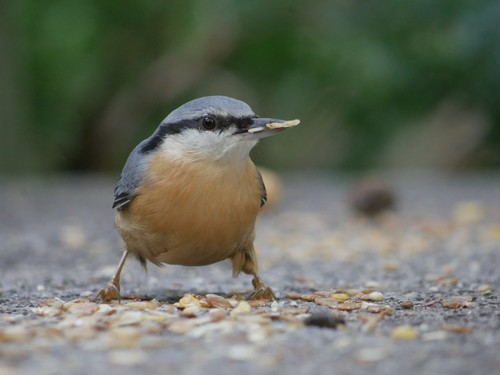 Trepador Azul
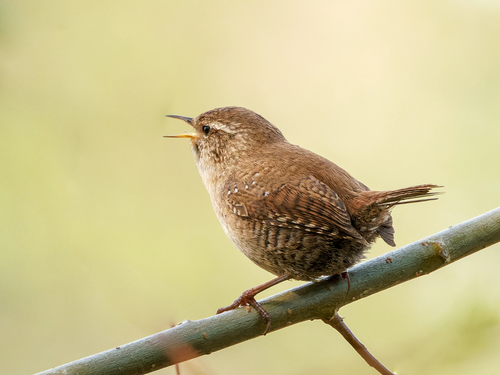 Chochín Paleártico
En breve
La forma más confiable de separar el Trepador Azul del Chochín Paleártico es por su estructura y postura general: el trepador es un ave más grande, de color azul-grisáceo, con un pico largo y puntiagudo y una franja ocular negra, mientras que el chochín es mucho más pequeño, más robusto y de color marrón-rufous, con una cola muy corta, a menudo levantada, y un pico fino y delgado. Los juveniles de ambas especies pueden ser más apagados, pero los flancos y la cola barrados del chochín, junto con su distintiva postura de cola erguida, son únicos. En vuelo, el trepador muestra una cabeza puntiaguda y una cola corta y cuadrada, mientras que las alas pequeñas y redondeadas del chochín y su vuelo zumbante son distintivos. La voz y el hábitat pueden ayudar, pero la estructura y el plumaje suelen ser suficientes para una separación confiable.
Consejos de identificación
- Tamaño: El trepador es más del doble de la masa del chochín y visiblemente más grande y robusto en el campo. Si ves un ave pequeña y robusta, verifica otras marcas.
- Forma del pico: El trepador tiene un pico largo, puntiagudo y fuerte; el pico del chochín es delgado, fino y ligeramente curvado hacia abajo. La forma del pico es visible incluso a distancia.
- Forma y postura de la cola: La cola del chochín es extremadamente corta y casi siempre se sostiene levantada; la cola del trepador es corta pero cuadrada y se sostiene recta o ligeramente hacia abajo, nunca levantada.
- Franja ocular: El trepador siempre muestra una fuerte franja ocular negra que va desde el pico hasta el ojo; el chochín nunca tiene una franja ocular oscura.
- Color de las partes superiores: El trepador es azul-grisáceo por encima; el chochín es marrón-rufous, a veces con un ligero tono grisáceo pero nunca azul-grisáceo.
- Partes inferiores: El trepador tiene la garganta y las mejillas blancas, con flancos y vientre naranjas o rufous; el chochín es grisáceo por debajo, a veces con un lavado amarillento, y fuertemente barrado en los flancos y la parte inferior de la cola.
- Barrado en alas y cola: El chochín muestra un barrado fino y oscuro en las alas y la cola (todas las edades); el trepador no tiene este barrado.
- Plumaje juvenil: Los jóvenes trepadores son más apagados pero aún son azul-grisáceos con una franja ocular; los chochines juveniles son más marrones y menos barrados, pero nunca muestran azul-grisáceo o una franja ocular.
- Patrón de vuelo: El trepador vuela con una cabeza puntiaguda, alas redondas y una cola corta y cuadrada; el vuelo del chochín es bajo, rápido, con alas redondeadas y un vuelo zumbante y una cola levantada.
- Postura posada: El trepador a menudo se aferra a troncos verticales, a veces cabeza abajo; el chochín se posa bajo, con la cola levantada, a menudo en cubierta densa.
- Uso del hábitat: Si se ve alto en un tronco de árbol o una rama grande, especialmente moviéndose cabeza abajo, es probable que sea un trepador; si está buscando alimento cerca del suelo o en matorrales densos, especialmente con la cola levantada, es un chochín.
- Vocalizaciones: Escucha un fuerte, corto 'dwip' (trepador) frente a una larga, compleja, trina canción o rápido 'tic-tic-tic' (chochín).
- Sexo y edad: Las hembras y los juveniles de trepador son solo ligeramente más apagados que los machos; los sexos del chochín son similares, pero los juveniles son menos barrados y más moteados por debajo.
- Trampas: En poca luz, el marrón de un chochín puede parecer grisáceo, pero la falta de una franja ocular y la cola levantada son aún claras. El trepador nunca muestra barrado o una cola levantada.
- Contexto: En Eurasia, estas son las únicas aves con esta combinación de tamaño, postura de la cola y coloración; la confusión suele ser cuestión de vistas breves u obstruidas.
Tamaño
El Trepador Azul es significativamente más grande y pesado que el Chochín Paleártico. El trepador mide aproximadamente 14 cm de longitud con una envergadura de 22.5–27 cm y una masa corporal de alrededor de 23 g. En contraste, el chochín es mucho más pequeño, solo de 9–10 cm de largo, con una envergadura de 13–17 cm y una masa de aproximadamente 10 g. En el campo, esta diferencia de tamaño es obvia: el trepador parece robusto y sólido, mientras que el chochín es diminuto y casi parecido a un ratón. Si se ven juntos, el trepador eclipsa al chochín.
Plumaje
Los plumajes juveniles y adultos son ambos distintivos. El trepador (todas las edades) tiene partes superiores azul-grisáceas, una fuerte franja ocular negra, garganta y mejillas blancas, y flancos y vientre naranjas o rufous, con algunas manchas blancas en la parte inferior de la cola. El pico es largo y puntiagudo. Las hembras y los juveniles son ligeramente más apagados, con flancos más pálidos, pero retienen el mismo patrón. Los chochines (todas las edades) son marrón-rufous por encima, más grises por debajo, y fuertemente barrados con marrón y gris más oscuros en los flancos, alas y cola. La cola es muy corta y a menudo se sostiene erguida. Los chochines juveniles son menos distintivamente barrados y tienen partes inferiores más moteadas, pero nunca muestran el azul-grisáceo o la franja ocular del trepador. En vuelo, el trepador muestra una cabeza puntiaguda y una cola corta y cuadrada, mientras que las alas del chochín son pequeñas y redondeadas, con un vuelo zumbante y una cola levantada incluso en movimiento. Ninguna edad o sexo de chochín muestra jamás una fuerte franja ocular negra o tonos azul-grisáceos.
Comportamiento
El trepador se mueve con saltos cortos a lo largo de troncos de árboles y ramas, a menudo cabeza abajo, nunca usando su cola como apoyo. Su vuelo es rápido y directo, con las alas cerradas entre los batidos, generalmente sobre distancias cortas. El chochín está constantemente activo, buscando alimento cerca del suelo o en vegetación densa, moviéndose con rápidos movimientos y sondeando en las grietas. Su cola casi siempre se sostiene erguida, y a menudo se mueve en cortos vuelos zumbantes y bajos. Los chochines rara vez trepan alto en los troncos, y su movimiento es más parecido al de un ratón y errático en comparación con el trepador, que es intencionado y acrobático.
Hábitat
Ambas especies pueden ocurrir en bosques, pero el trepador se ve más a menudo en árboles maduros, especialmente en bosques y parques, moviéndose a lo largo de troncos y ramas grandes. El chochín se encuentra más a menudo bajo, en matorrales densos, montones de ramas o cerca de troncos caídos, y está menos ligado a grandes árboles. Mientras que ambas pueden superponerse en bosques mixtos, el trepador rara vez se encuentra en vegetación densa del suelo donde los chochines están más a gusto.
Voz
El trepador emite un fuerte y repetido llamado 'dwip', que es agudo y se escucha bien, y generalmente es más vocal en ráfagas cortas. El chochín tiene un llamado agudo y repetido 'tic-tic-tic', pero su vocalización más distintiva es su larga, compleja y muy ruidosa canción, una serie de trinos y notas claras que pueden durar varios segundos. La canción del chochín es mucho más larga y musical que cualquier llamado del trepador. Cuando se alarma, el chochín emite un rápido llamado de chirrido. Los llamados del trepador nunca son tan largos o complejos como la canción del chochín.