
Golondrina Risquera vs Golondrina Pueblera
Petrochelidon pyrrhonota frente a Petrochelidon fulva
Juega un quiz con Golondrina Risquera y Golondrina Pueblera
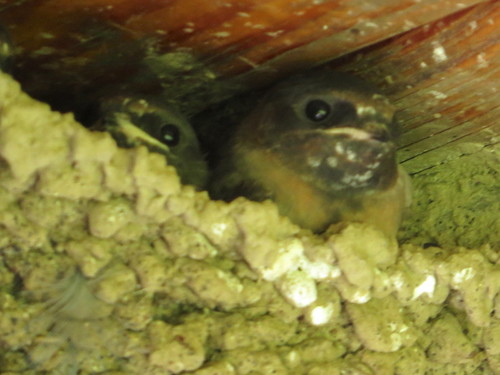 Golondrina Risquera
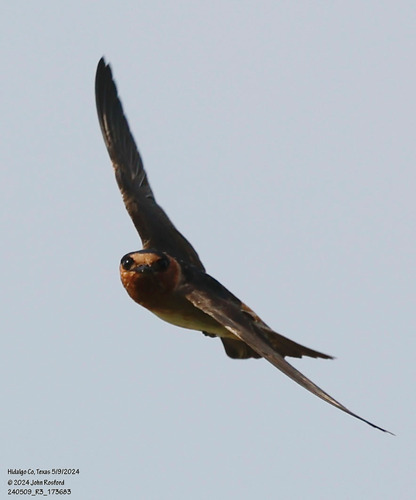 Golondrina Pueblera
En breve
La marca de campo más confiable para separar la Golondrina Risquera de la Golondrina Pueblera es el patrón de color de la frente y la garganta: las Golondrinas Risqueras adultas muestran una frente blanca brillante y una garganta oscura, mientras que las Golondrinas Puebleras adultas tienen una corona oscura, una garganta pálida o color crema, y una frente color canela o naranja-amarillenta. Las Golondrinas Risqueras juveniles tienen frentes y gargantas blancas variables, a menudo moteadas, mientras que las Golondrinas Puebleras juveniles se asemejan a los adultos pero con colores más apagados. Ambas especies tienen colas cuadradas y tamaño y forma similares, así que enfócate en el patrón de la cara y la garganta, especialmente en vistas de posado o vuelo cercano. El hábitat a veces puede ayudar, pero ambas especies utilizan estructuras hechas por el hombre en partes de su rango, así que no te bases solo en el contexto.
Consejos de identificación
- Color de la frente (adultos): La Golondrina Risquera tiene una frente blanca brillante; la Golondrina Pueblera tiene una frente color canela o naranja-amarillenta (no blanca). Esta es la marca de campo más confiable en buena luz.
- Color de la garganta (adultos): La Golondrina Risquera muestra una garganta oscura con mejillas rojas ricas; la Golondrina Pueblera tiene una garganta pálida o color crema, a menudo contrastando con una corona y cara más oscuras.
- Patrón facial juvenil: Las Golondrinas Risqueras juveniles tienen frentes y gargantas blancas variables y moteadas, únicas para cada polluelo, que se desvanecen con la edad. Las Golondrinas Puebleras juveniles carecen de estas marcas blancas y se asemejan a adultos más apagados.
- Corona/capucha: La Golondrina Pueblera tiene una corona oscura que contrasta con su garganta pálida y frente color canela; la corona de la Golondrina Risquera es menos contrastante, a menudo iridiscente en buena luz.
- Color del culete: La Golondrina Risquera tiene un culete color crema, que puede ser visible en vuelo o cuando está posada; el culete de la Golondrina Pueblera es menos distintivo en color.
- Partes superiores: Las partes superiores de la Golondrina Pueblera son más gris-azuladas, mientras que las de la Golondrina Risquera son de un marrón oscuro con posible iridiscencia. Esto es sutil y se debe usar como evidencia de apoyo.
- Forma de la cola: Ambas especies tienen una cola cuadrada, por lo que esto no es útil para la separación. No te bases en la forma de la cola.
- Tamaño y estructura: Ambas son similares en tamaño y forma, con patas cortas y picos pequeños. El tamaño no es un separador confiable.
- Tamaño de la colonia: La Golondrina Risquera a menudo anida en colonias muy grandes (cientos a miles de nidos), mientras que las colonias de la Golondrina Pueblera suelen ser más pequeñas, aunque puede haber superposición.
- Contexto del hábitat: Si se observa anidando en una cueva natural o un sumidero en Texas o el suroeste, es más probable que sea una Golondrina Pueblera, pero ambas especies utilizan estructuras hechas por el hombre, así que siempre confirma con el plumaje.
- Estilo de vuelo: Ambas son ágiles y aéreas; el estilo de vuelo no las separa.
- Variación del plumaje: Las Golondrinas Risqueras juveniles son las únicas con marcas faciales blancas variables. Si ves una golondrina con una cara desordenada o moteada de blanco, especialmente en una colonia, es probable que sea una Golondrina Risquera juvenil.
- Variación de subespecies: Algunas subespecies de Golondrina Pueblera (en América del Sur) anidan en acantilados y tienen envergaduras más pequeñas, pero en América del Norte, enfócate en el patrón facial para la identificación.
- Diferencias sexuales: Ambas especies son monomórficas sexualmente en plumaje; no intentes determinar su sexo en el campo por su apariencia.
- Iluminación: Una buena luz es esencial para ver las sutiles diferencias de color en la frente, la garganta y el culete. En mala luz, utiliza múltiples marcas y ten cuidado.
Tamaño
Tanto la Golondrina Risquera como la Golondrina Pueblera son muy similares en tamaño y peso. La Golondrina Risquera promedia alrededor de 13 cm de longitud, mientras que la Golondrina Pueblera varía de 12 a 14 cm. La subespecie más grande de Golondrina Pueblera (P. f. pallida) tiene una longitud de ala de 107–112 mm, que es comparable a la de la Golondrina Risquera. Ambas especies son compactas, con patas cortas y picos pequeños, y las diferencias en tamaño no son confiables en el campo.
Plumaje
Las Golondrinas Risqueras juveniles se reconocen mejor por sus frentes y gargantas blancas variables, a menudo moteadas, que son únicas para cada polluelo y se desvanecen a medida que maduran. Las Golondrinas Puebleras juveniles se asemejan a los adultos pero con colores más apagados y menos vívidos, y carecen de las distintivas marcas faciales blancas de las Golondrinas Risqueras juveniles. Las Golondrinas Risqueras adultas tienen una frente blanca nítida, garganta oscura, mejillas rojas ricas y un culete color crema, mientras que las Golondrinas Puebleras adultas muestran una frente color canela o naranja-amarillenta, una garganta pálida o color crema, y una corona oscura. Ambas tienen partes superiores oscuras, pero las de la Golondrina Pueblera son más gris-azuladas, y las de la Golondrina Risquera pueden mostrar iridiscencia en buena luz. La cola es cuadrada en ambas, por lo que no es útil para la separación.
Comportamiento
Ambas especies son altamente aéreas y ágiles, pasando gran parte de su tiempo en vuelo cazando insectos. Las Golondrinas Risqueras son extremadamente sociales, a menudo anidando en colonias muy grandes (a veces más de 2,000 nidos), mientras que las Golondrinas Puebleras también anidan colonialmente pero típicamente en grupos más pequeños. Ambas especies utilizarán estructuras hechas por el hombre para anidar, y su estilo de vuelo es similar: rápido, ágil y con frecuentes planeos. Posadas, ambas especies muestran una postura y proporciones similares.
Hábitat
La Golondrina Risquera tradicionalmente anida en acantilados, pero ahora utiliza comúnmente puentes, edificios y otras estructuras hechas por el hombre. La Golondrina Pueblera en América del Norte típicamente anida y descansa en cuevas y sumideros, pero también utiliza alcantarillas y puentes, especialmente en Texas y el suroeste. En el campo, ambas pueden encontrarse en los mismos sitios, especialmente donde hay estructuras de anidación adecuadas, así que el hábitat por sí solo no es diagnóstico, aunque la Golondrina Pueblera es más probable que se encuentre en cuevas naturales en su rango central.
Golondrina Risquera · Golondrina Pueblera · Mis aves difíciles