

Págalo Parásito vs Págalo Grande
Stercorarius parasiticus frente a Stercorarius skua
Juega un quiz con Págalo Parásito y Págalo Grande
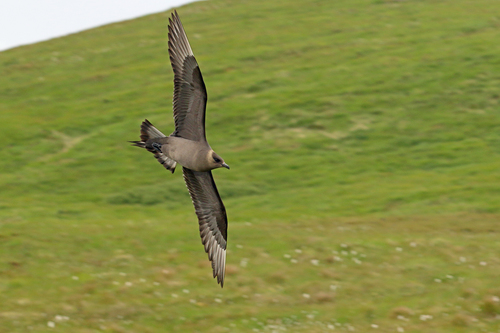 Págalo Parásito
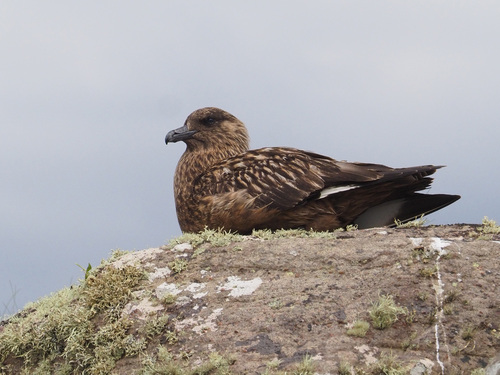 Págalo Grande
En breve
La forma más confiable de separar el Págalo Parásito (Parasitic Jaeger) del Págalo Grande es por tamaño y estructura general: el Págalo Grande es masivo, del tamaño de una gaviota arenquera, con un pecho robusto y una cola roma, mientras que el Págalo Parásito es mucho más pequeño y esbelto, con una proyección de cola puntiaguda en los adultos. En vuelo, ambos muestran un destello blanco en las alas, pero la corpulencia y las alas anchas del Págalo Grande contrastan con el vuelo más ágil y parecido al de un halcón del Págalo Parásito. Los plumajes juveniles pueden ser confusos, pero los juveniles del Págalo Grande no tienen estrías por debajo y siempre lucen robustos; los juveniles del Págalo Parásito son más esbeltos y de un marrón más cálido. Si ves un págalo desde la costa, es más probable que sea un Págalo Parásito, pero siempre verifica primero el tamaño y la estructura.
Consejos de identificación
- El tamaño es la primera verificación: El Págalo Grande es del tamaño de una gaviota arenquera y tiene una construcción masiva; el Págalo Parásito es mucho más pequeño y esbelto. Si el pájaro parece grande y con pecho robusto, casi con certeza es un Págalo Grande.
- Forma de la cola en adultos: Los Págalo Parásitos en cría tienen una proyección central de cola puntiaguda (streamer); los Págalo Grandes siempre tienen una cola corta y roma. Esto es diagnóstico en adultos, especialmente en vuelo.
- Forma de las alas y estilo de vuelo: El Págalo Parásito tiene alas más estrechas y puntiagudas y un vuelo ágil parecido al de un halcón. Las alas del Págalo Grande son anchas, y su vuelo es poderoso pero menos ágil, a veces parecido al de un busardo.
- Destello blanco en las alas: Ambas especies muestran un destello blanco en las primarias, pero en el Págalo Grande es más amplio y se encuentra en un ala mucho más grande. En el Págalo Parásito, el destello está presente en todas las morfos y edades, pero el ala es más delgada.
- Tono y contraste del plumaje: Los Págalo Parásitos de morfo claro muestran un fuerte contraste entre el dorso marrón y las partes inferiores blancas, con una cabeza pálida y una capucha negra. El Págalo Grande es de un marrón grisáceo estriado en general, con menos contraste y una apariencia más uniforme.
- Confusión juvenil: Los juveniles del Págalo Grande no tienen estrías por debajo y siempre lucen pesados y con cola roma. Los juveniles del Págalo Parásito son más esbeltos, a menudo de un marrón más cálido, y pueden ser variables, pero nunca tan masivos como el Págalo Grande.
- Pico y cabeza: El Págalo Grande tiene un pico pesado y profundo y una cabeza ancha y poderosa. El pico del Págalo Parásito es más fino y la cabeza es más delicada.
- Jizz a distancia: Si el pájaro parece un pequeño y ágil rapace o gaviota, sospecha que es un Págalo Parásito. Si parece un busardo o una gaviota muy grande, sospecha que es un Págalo Grande.
- Contexto del hábitat: El Págalo Parásito es más probable que se vea desde la costa, especialmente durante la migración. El Págalo Grande está más restringido a áreas de cría del Atlántico Norte y se ve menos a menudo desde tierra.
- Comportamiento: El Págalo Parásito persigue aves con agilidad y velocidad; el Págalo Grande usa fuerza bruta y puede atacar aves marinas muy grandes. Si ves un págalo grapando físicamente a un alcatraz, es un Págalo Grande.
- Voz (raramente útil): Maullido nasal (Págalo Parásito) vs. duro 'hah-hah-hah-hah' (Págalo Grande) cerca de los nidos.
- Confusión de morfos: El Págalo Parásito viene en tres morfos (claro, oscuro, intermedio), pero todos tienen la misma estructura. El Págalo Grande siempre es estriado de marrón grisáceo como adulto.
- Contexto estacional: Ambas especies migran, pero el Págalo Parásito inverna más ampliamente en el hemisferio sur; el Págalo Grande inverna en el mar en el Atlántico.
- Trampas: No confíes solo en el plumaje, especialmente en juveniles: la estructura y el tamaño son más confiables. El destello blanco en las alas no es diagnóstico por sí solo.
- Cuando tengas dudas: Si no puedes juzgar el tamaño, busca la forma de la cola (streamer puntiagudo = adulto Págalo Parásito), la forma del ala y el jizz general. Si aún no estás seguro, anota el comportamiento y el contexto para revisarlo más tarde.
Tamaño
El Págalo Grande es dramáticamente más grande que el Págalo Parásito: es del tamaño de una gaviota arenquera (masa corporal ~1835g), con una longitud de 50–58 cm y una envergadura de 125–140 cm. En contraste, el Págalo Parásito es mucho más pequeño (41–48 cm de largo, 107–125 cm de envergadura, 300–650g). Incluso a distancia, la corpulencia, el pecho profundo y las alas anchas del Págalo Grande son obvios, mientras que el Págalo Parásito parece más ligero, más aerodinámico y ágil. La diferencia es especialmente clara cuando ambas especies se ven juntas, pero incluso individualmente, el tamaño del Págalo Grande suele ser inconfundible.
Plumaje
- Aves juveniles/inmaduras: Los juveniles del Págalo Grande son de un marrón cálido en general, sin estrías por debajo, y siempre lucen robustos. Los juveniles del Págalo Parásito son más esbeltos, generalmente de un marrón más cálido que los adultos, pero pueden ser variables y a menudo son más marrones (no grises) en comparación con el Jaeger de Cola Larga. Ambas especies muestran un destello blanco en las alas, pero el del Págalo Parásito está en un ala más puntiaguda y estrecha.
- Adultos: Los Págalo Parásitos adultos vienen en tres morfos (claro, oscuro, intermedio), pero todos tienen una proyección central de cola puntiaguda en plumaje de cría y un destello blanco en las alas. Los adultos de morfo claro tienen un dorso marrón, partes inferiores blancas, cabeza/cuello amarillento-blanco con una capucha negra. Los morfos oscuros son todos de un marrón oscuro. Los Págalo Grandes son de un marrón grisáceo estriado con una capucha negra, y tienen una cola corta y roma. Su destello blanco en las alas es amplio y obvio, pero el resto del plumaje es más uniforme y carece de las partes inferiores pálidas y en fuerte contraste del Págalo Parásito de morfo claro. En todas las edades, la cola del Págalo Grande es roma, nunca puntiaguda.
Comportamiento
Ambas especies son kleptoparásitas agresivas, pero su comportamiento difiere en estilo: el Págalo Parásito es más ágil, a menudo persiguiendo a las gaviotas y los pájaros de mar con un vuelo rápido y acrobático, mientras que el Págalo Grande usa fuerza bruta, incluso atacando aves grandes como los alcatraces al atraparlos en el aire. El vuelo del Págalo Grande es poderoso pero menos ágil, a veces comparado con un busardo, mientras que el Págalo Parásito es más parecido a un halcón. Ambas defienden sus nidos de manera agresiva, pero el tamaño del Págalo Grande hace que sus ataques sean más intimidantes.
Hábitat
Ambas especies crían en regiones costeras del norte, pero el Págalo Parásito anida en tundras secas, montañas y islas, mientras que el Págalo Grande prefiere los páramos costeros y las islas rocosas. En el mar, ambos pueden ser vistos en alta mar, pero el Págalo Parásito se ve más comúnmente desde la costa, especialmente durante la migración. Es más probable encontrar al Págalo Grande en el Atlántico Norte y cría en áreas más restringidas (Islandia, Noruega, Islas Feroe, islas escocesas).
Voz
El Págalo Parásito emite un llamado nasal y maullido repetido en exhibición y una nota de alarma más corta, pero generalmente es silencioso fuera de las áreas de cría. El Págalo Grande tiene un llamado duro y repetido 'hah-hah-hah-hah', y también puede producir ruidos de grazia o croar. Ambos son mayormente silenciosos en el mar, por lo que la voz rara vez es una marca de campo primaria, excepto cerca de los nidos.