

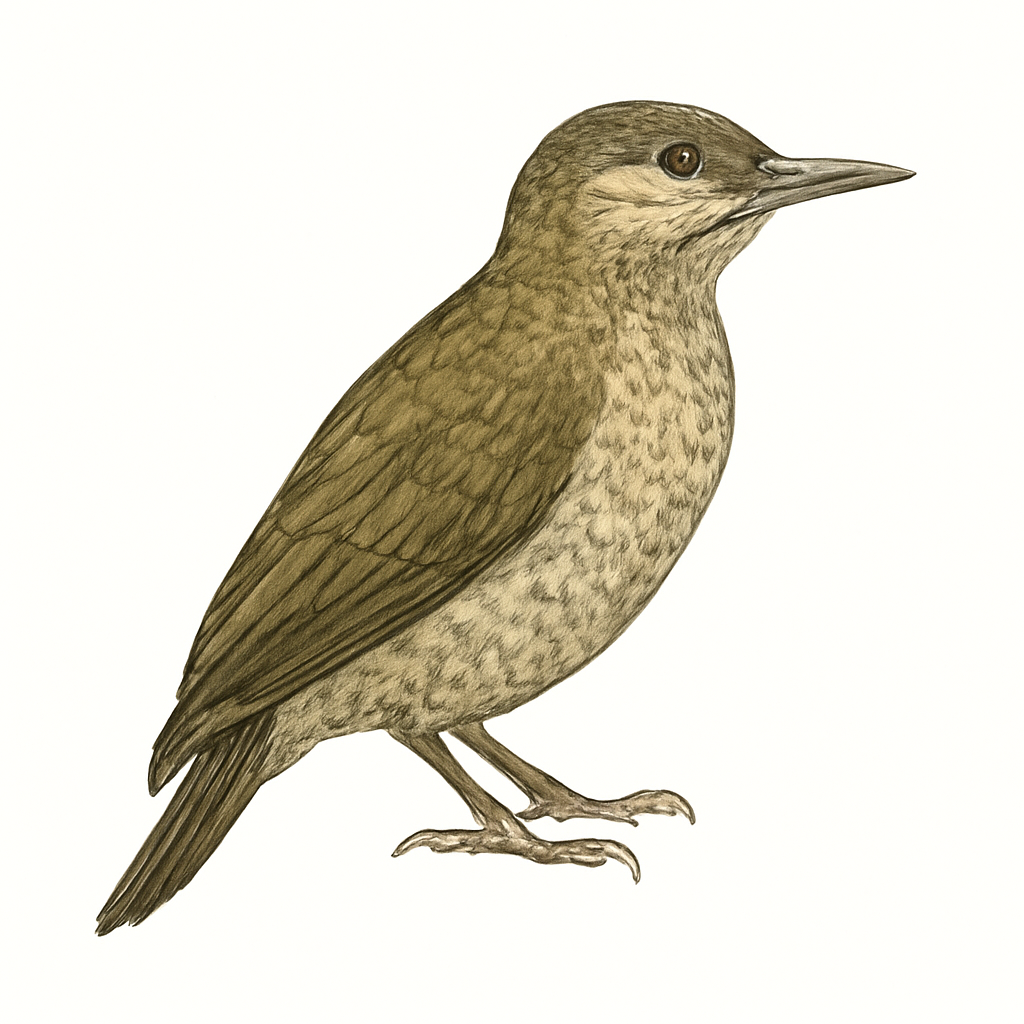
Juega un quiz con Pito Terrestre y especies parecidas
Ver todas las fotos, vídeo y sonido
Revisión necesaria
Motmot es un proyecto de comunidad, y muchas fotos aún necesitan un visto humano. Si conoces esta ave, puedes ayudar revisando sus imágenes.
O-o, se nos acabaron los créditos de IA. Desarrollo Motmot en mi tiempo libre, y ahora mismo no hay financiación. Si te apetece ayudar a que crezca, escríbeme a info@motmot.club.
Cómo identificar Pito Terrestre
Escribiendo las notas de identificación…
Busca notas de identificación en fuentes abiertas y luego pide al modelo que las redacte. Puede tardar un minuto.
Inicia sesión para generar notas de identificación de esta ave.
A menudo se confunde con
En los quizzes, los jugadores suelen confundir Pito Terrestre con estas aves: o se eligió esta especie por error, o al revés.
| Especies | Confusiones |
|---|---|
| Pito Oliváceo Dendropicos griseocephalus | 2 |
| Pito de Knysna Campethera notata | 2 |
| Paloma Caripálida Aplopelia larvata | 1 |
| Pito Colidorado Campethera abingoni | 1 |
| Oropéndola Africana Oriolus auratus | 1 |
Familia
Woodpeckers are part of the bird family Picidae, which also includes the piculets, wrynecks and sapsuckers. Members of this family are found worldwide, except for Australia, New Guinea, New Zealand, Madagascar and the extreme polar regions. Most species live in forests or woodland habitats, although a few species are known that live in treeless areas, such as rocky hillsides and deserts, and the Gila woodpecker specializes in exploiting cacti.
Orden
Nine families of largely arboreal birds make up the order Piciformes (), the best-known of them being the Picidae, which includes the woodpeckers and close relatives. The Piciformes contain about 71 living genera with a little over 450 species, of which the Picidae make up about half. In general, the Piciformes are insectivorous, although the barbets and toucans mostly eat fruit and the honeyguides are unique among birds in being able to digest beeswax (although insects make up the bulk …