

Herrerillo Común
Cyanistes caeruleus
Tits, Chickadees, and Titmice (Paridae) · Passeriformes · Carboneros
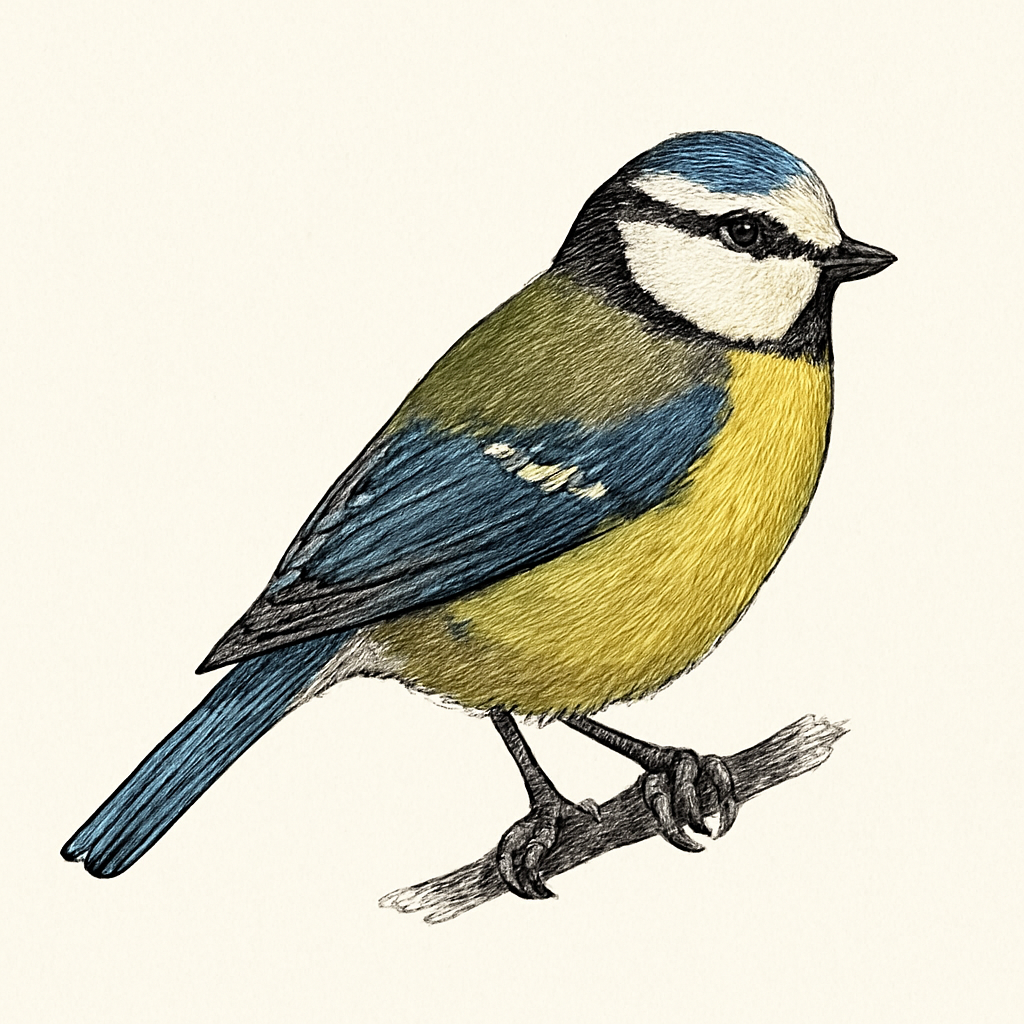
Juega un quiz con Herrerillo Común y especies parecidas
Ver todas las fotos, vídeo y sonido
Revisado
O-o, se nos acabaron los créditos de IA. Desarrollo Motmot en mi tiempo libre, y ahora mismo no hay financiación. Si te apetece ayudar a que crezca, escríbeme a info@motmot.club.
Cómo identificar Herrerillo Común
Escribiendo las notas de identificación…
Busca notas de identificación en fuentes abiertas y luego pide al modelo que las redacte. Puede tardar un minuto.
Inicia sesión para generar notas de identificación de esta ave.
A menudo se confunde con
En los quizzes, los jugadores suelen confundir Herrerillo Común con estas aves: o se eligió esta especie por error, o al revés.
| Especies | Confusiones |
|---|---|
| Carbonero Común Parus major | 84 |
| Herrerillo Capuchino Lophophanes cristatus | 39 |
| Herrerillo Canario Cyanistes teneriffae | 28 |
| Carbonero Garrapinos Periparus ater | 27 |
| Carbonero Palustre Poecile palustris | 20 |
Familia
The tits, chickadees, and titmice constitute the Paridae, a family of small passerine birds which occur mainly in the Northern Hemisphere and Africa. Many were formerly classified in the genus Parus. Eurasian and African members of this family are referred to as "tits", while North American species are called either "chickadees" (onomatopoeic, derived from their distinctive "chick-a dee dee dee" alarm call) or "titmouses", the latter being an older name that was used for all tits.
Orden
A passerine () is any bird of the order Passeriformes (; from Latin passer 'sparrow' and formis '-shaped'), which includes more than half of all bird species. Sometimes known as perching birds, passerines generally have an anisodactyl arrangement of their toes (three pointing forward and one back), which facilitates perching. With more than 140 families and some 6,500 identified species, Passeriformes is the largest order of birds and one of the most diverse clades of terrestrial vertebrates, representing 60% of …