

Saltarrocas del Drakensberg
Chaetops aurantius
Rockjumpers (Chaetopidae) · Passeriformes · Saltarrocas
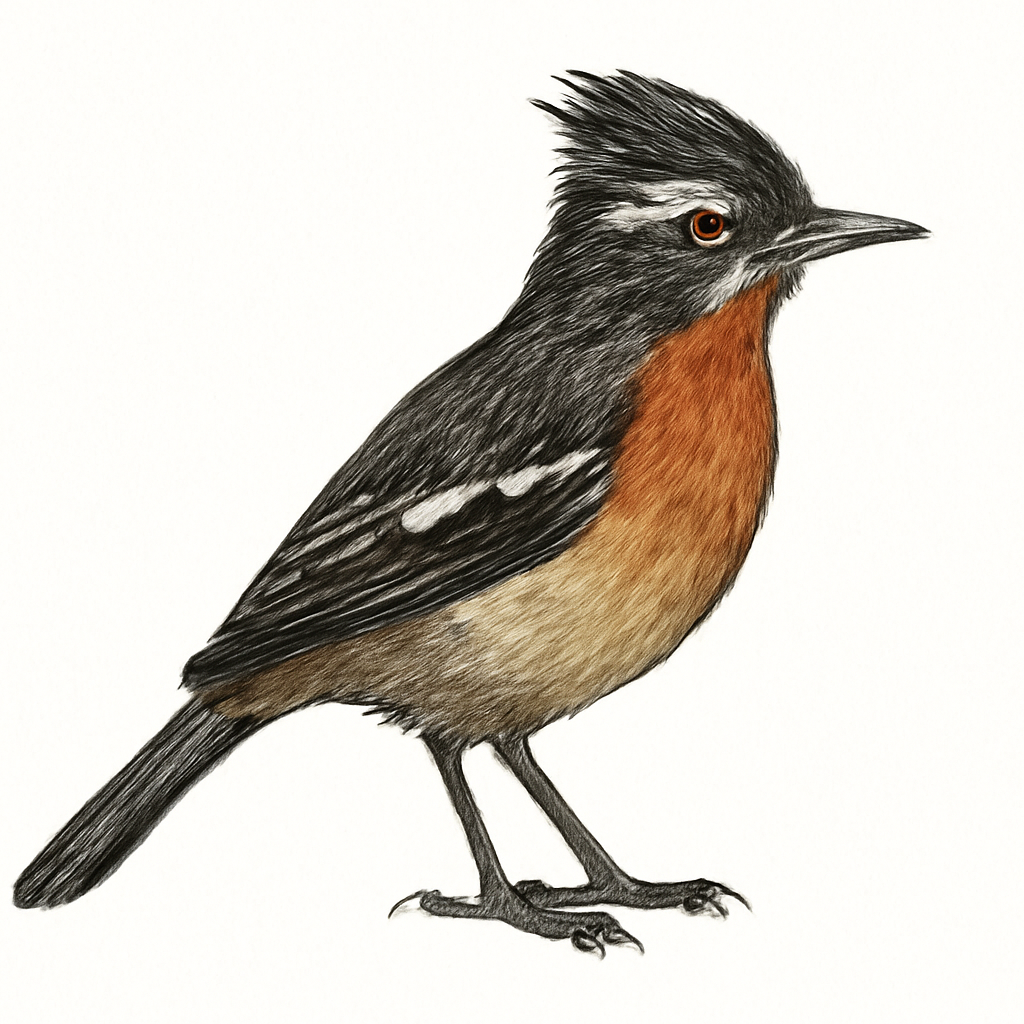
Juega un quiz con Saltarrocas del Drakensberg y especies parecidas
Ver todas las fotos, vídeo y sonido
Revisión necesaria
Motmot es un proyecto de comunidad, y muchas fotos aún necesitan un visto humano. Si conoces esta ave, puedes ayudar revisando sus imágenes.
O-o, se nos acabaron los créditos de IA. Desarrollo Motmot en mi tiempo libre, y ahora mismo no hay financiación. Si te apetece ayudar a que crezca, escríbeme a info@motmot.club.
Cómo identificar Saltarrocas del Drakensberg
Escribiendo las notas de identificación…
Busca notas de identificación en fuentes abiertas y luego pide al modelo que las redacte. Puede tardar un minuto.
Inicia sesión para generar notas de identificación de esta ave.
A menudo se confunde con
En los quizzes, los jugadores suelen confundir Saltarrocas del Drakensberg con estas aves: o se eligió esta especie por error, o al revés.
| Especies | Confusiones |
|---|---|
| Saltarrocas de El Cabo Chaetops frenatus | 7 |
| Papamoscas Duende Stenostira scita | 1 |
| Prinia del Drakensberg Prinia hypoxantha | 1 |
| Cistícola Herrumbroso Cisticola galactotes | 1 |
| Estrilda Verde Mandingoa nitidula | 1 |
Familia
The rockjumpers are medium-sized insectivorous or omnivorous birds in the genus Chaetops, which constitutes the entire family Chaetopidae. The two species, the Cape rockjumper, Chaetops frenatus, and the Drakensberg rockjumper, Chaetops aurantius, are endemic residents of southern Africa. The Cape rockjumper is a resident of the West Cape and south-west East Cape, and the orange-breasted (or Drakensberg) rockjumper is distributed in the Lesotho Highlands and areas surrounding them in South Africa.
Orden
A passerine () is any bird of the order Passeriformes (; from Latin passer 'sparrow' and formis '-shaped'), which includes more than half of all bird species. Sometimes known as perching birds, passerines generally have an anisodactyl arrangement of their toes (three pointing forward and one back), which facilitates perching. With more than 140 families and some 6,500 identified species, Passeriformes is the largest order of birds and one of the most diverse clades of terrestrial vertebrates, representing 60% of …