

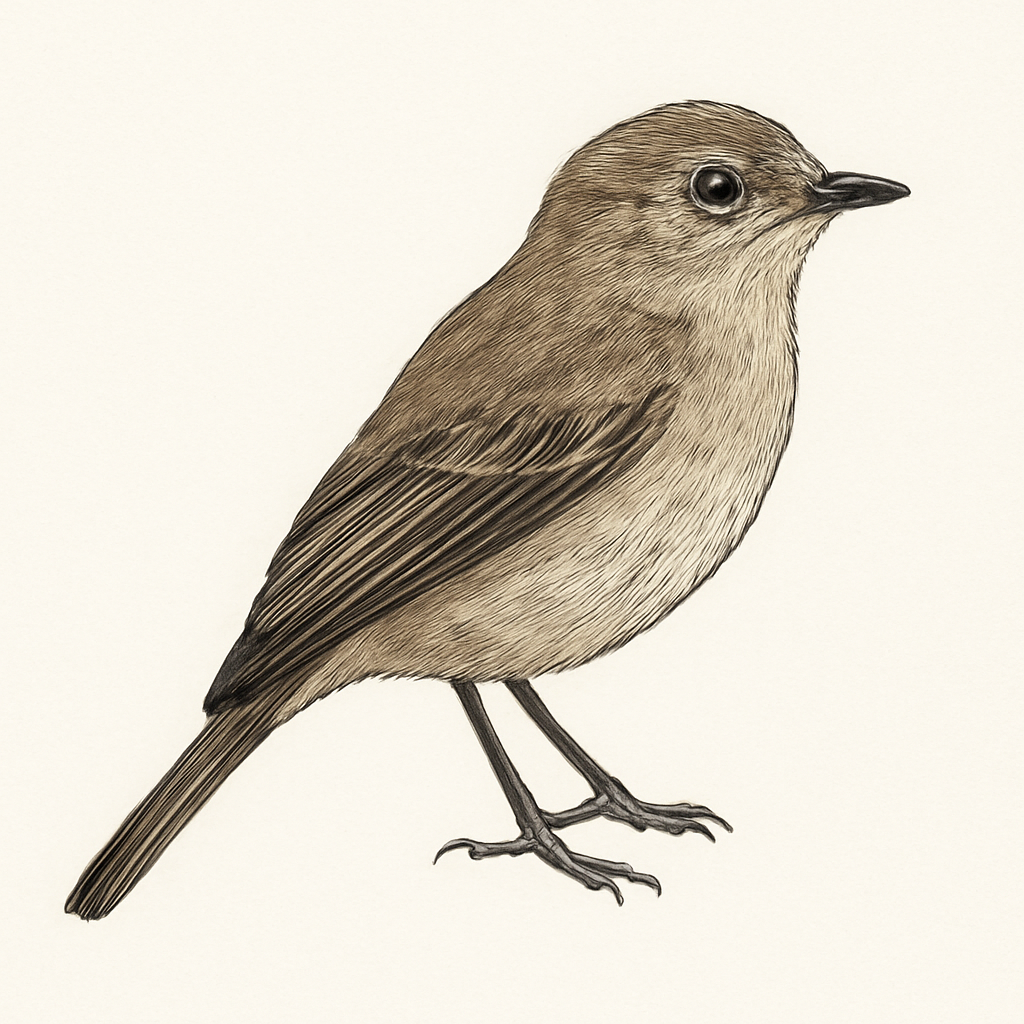
Rußbuschtyrann
Myiotheretes fumigatus
Tyrant Flycatchers (Tyrannidae) · Passeriformes · Tyrannen: Schnäppertyrannen, Königstyrannen und Verwandte
Ein Quiz mit Rußbuschtyrann und ähnlichen Arten spielen
Alle Fotos, Videos und Töne ansehen
Prüfung nötig
Motmot ist ein Community-Projekt, und viele Fotos brauchen noch eine menschliche Prüfung. Wenn du diesen Vogel kennst, kannst du die Bilder prüfen.
O-o, unsere KI-Credits sind alle. Ich entwickle Motmot in meiner Freizeit, und es gibt gerade keine Finanzierung. Wenn du helfen möchtest, dass es wächst, schreib mir an info@motmot.club.
So bestimmst du Rußbuschtyrann
Bestimmungshinweise werden geschrieben…
Dafür werden Bestimmungshinweise aus offenen Quellen gesucht und vom Modell zu einem Text verarbeitet. Das kann eine Minute dauern.
Melde dich an, um Bestimmungshinweise für diesen Vogel zu erstellen.
Oft verwechselt mit
In Quiz verwechseln Spieler Rußbuschtyrann am häufigsten mit diesen Vögeln—entweder wurde diese Art irrtümlich gewählt oder umgekehrt.
| Arten | Verwechslungen |
|---|---|
| Weißbart-Schattenkolibri Phaethornis hispidus | 1 |
| Fahlbrauen-Schmätzertyrann Ochthoeca fumicolor | 1 |
| Graukappen-Maskentyrann Myiozetetes granadensis | 1 |
Familie
The tyrant flycatchers (Tyrannidae) comprise a family of passerine birds which is found virtually throughout North and South America. It is the world's largest family of birds, with more than 400 species, and is the most diverse avian family in every country in the Americas, except for the United States and Canada. The members vary greatly in shape, patterns, size, and colors.
Ordnung
A passerine () is any bird of the order Passeriformes (; from Latin passer 'sparrow' and formis '-shaped'), which includes more than half of all bird species. Sometimes known as perching birds, passerines generally have an anisodactyl arrangement of their toes (three pointing forward and one back), which facilitates perching. With more than 140 families and some 6,500 identified species, Passeriformes is the largest order of birds and one of the most diverse clades of terrestrial vertebrates, representing 60% of …