

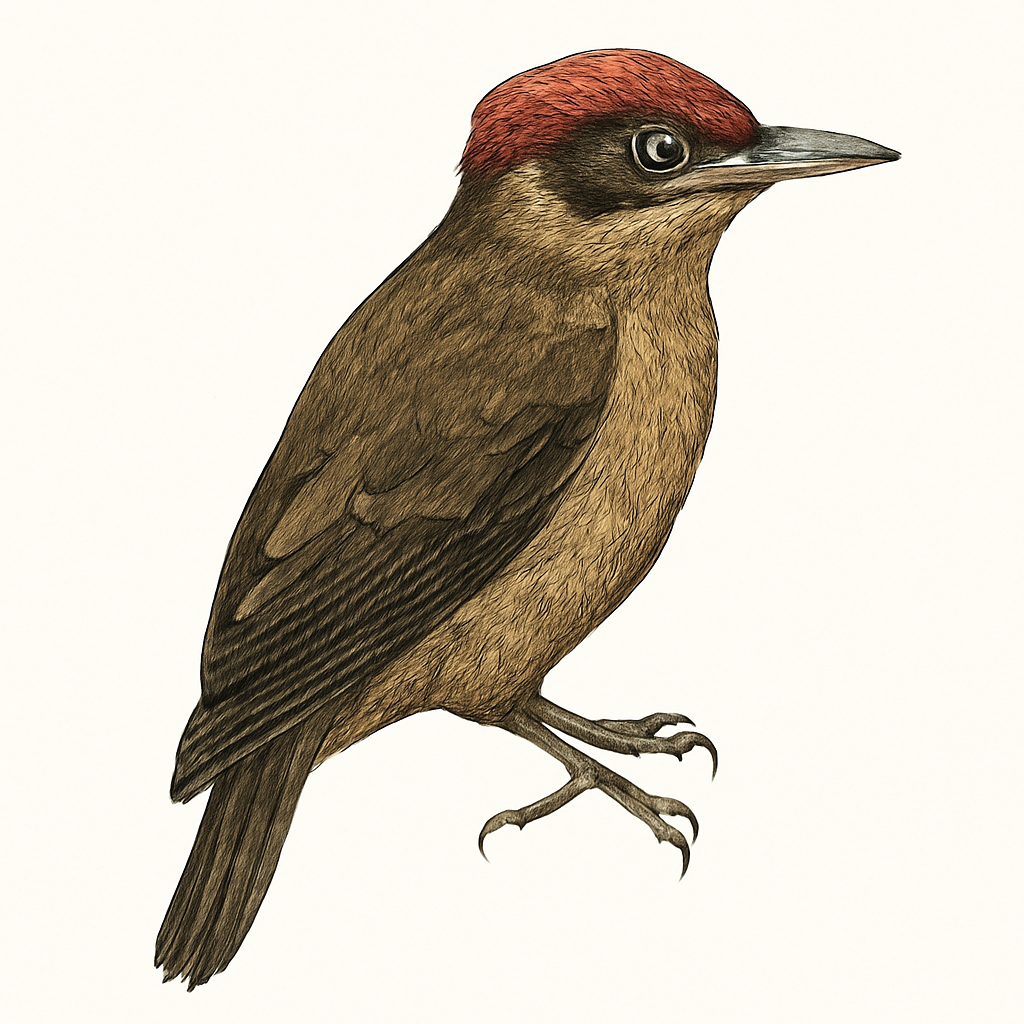
Ein Quiz mit Rotohrspecht und ähnlichen Arten spielen
Alle Fotos, Videos und Töne ansehen
Prüfung nötig
Motmot ist ein Community-Projekt, und viele Fotos brauchen noch eine menschliche Prüfung. Wenn du diesen Vogel kennst, kannst du die Bilder prüfen.
O-o, unsere KI-Credits sind alle. Ich entwickle Motmot in meiner Freizeit, und es gibt gerade keine Finanzierung. Wenn du helfen möchtest, dass es wächst, schreib mir an info@motmot.club.
So bestimmst du Rotohrspecht
Bestimmungshinweise werden geschrieben…
Dafür werden Bestimmungshinweise aus offenen Quellen gesucht und vom Modell zu einem Text verarbeitet. Das kann eine Minute dauern.
Melde dich an, um Bestimmungshinweise für diesen Vogel zu erstellen.
Oft verwechselt mit
In Quiz verwechseln Spieler Rotohrspecht am häufigsten mit diesen Vögeln—entweder wurde diese Art irrtümlich gewählt oder umgekehrt.
| Arten | Verwechslungen |
|---|---|
| Rötelspecht Micropternus brachyurus | 3 |
| Maronenspecht Blythipicus rubiginosus | 2 |
| Reinwardtspecht Chrysocolaptes validus | 2 |
| Goldmantel-Sultanspecht Chrysocolaptes guttacristatus | 1 |
| Hodgsonschwirl Locustella luteoventris | 1 |
Familie
Woodpeckers are part of the bird family Picidae, which also includes the piculets, wrynecks and sapsuckers. Members of this family are found worldwide, except for Australia, New Guinea, New Zealand, Madagascar and the extreme polar regions. Most species live in forests or woodland habitats, although a few species are known that live in treeless areas, such as rocky hillsides and deserts, and the Gila woodpecker specializes in exploiting cacti.
Ordnung
Nine families of largely arboreal birds make up the order Piciformes (), the best-known of them being the Picidae, which includes the woodpeckers and close relatives. The Piciformes contain about 71 living genera with a little over 450 species, of which the Picidae make up about half. In general, the Piciformes are insectivorous, although the barbets and toucans mostly eat fruit and the honeyguides are unique among birds in being able to digest beeswax (although insects make up the bulk …